
2026/07/10
What Should You Expect from a High-Quality Hydraulic V-Ring Seal Manufacturer?


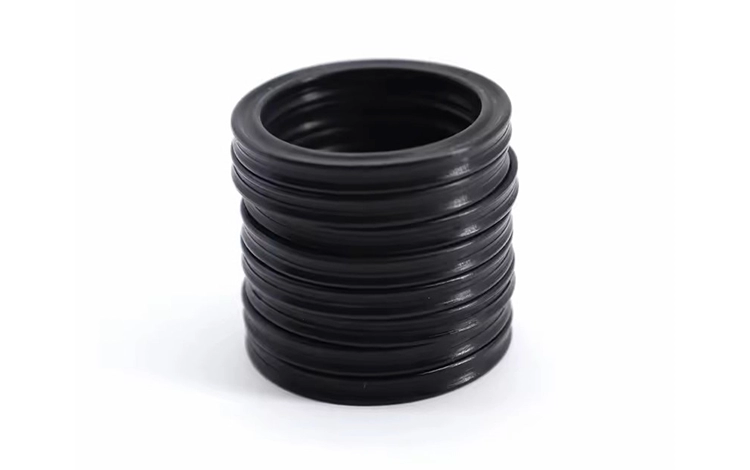
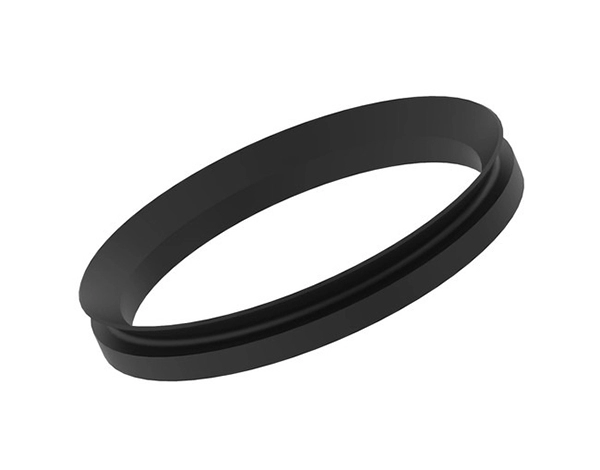
Hydraulic V-Ring Seals play an important role in protecting hydraulic equipment from fluid leakage, contamination, friction-related damage, and premature component wear. For manufacturers and equipment operators, selecting the right seal can directly affect maintenance intervals, equipment reliability, and operating efficiency. HaO Seal Technology Co.,Ltd. provides precision-engineered rubber sealing solutions using NBR, EPDM, Silicone, FKM, and FFKM materials for demanding industrial and commercial applications.
A properly selected Hydraulic V-Ring Seal helps maintain consistent contact between mating surfaces while accommodating pressure, temperature, movement, and fluid exposure. When the material, dimensions, hardness, and installation conditions are correctly matched, the seal can contribute to longer equipment service life and more stable performance.
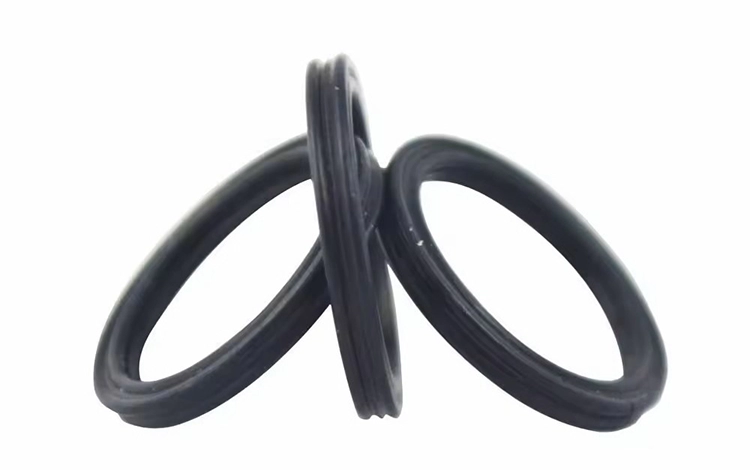
Hydraulic systems depend on controlled fluid pressure to operate cylinders, valves, pumps, motors, and other components. Even a small amount of leakage can gradually reduce system efficiency and create additional maintenance requirements.
A V-Ring Seal provides a flexible sealing interface that helps prevent hydraulic fluid from escaping through gaps between mating components. At the same time, an effective sealing arrangement can help prevent dust, moisture, and other contaminants from entering sensitive areas.
This protection is particularly important in equipment exposed to:
· High hydraulic pressure
· Repeated mechanical movement
· Dust and dirt
· Oil and fuel
· Water and moisture
· Temperature fluctuations
· Industrial chemicals
By controlling leakage and limiting contamination, a properly specified seal helps protect surrounding components and supports more consistent equipment operation.
One of the main ways a hydraulic seal can improve equipment lifespan is by reducing the effects of leakage and contamination.
Hydraulic fluid escaping through an ineffective seal can reach nearby components, working surfaces, or the surrounding environment. At the same time, contaminants entering through an inadequate sealing interface can accelerate wear on shafts, cylinders, bearings, and other precision components.
A properly designed rubber seal maintains effective contact without creating unnecessary resistance. This balance is important because excessive friction can generate heat and accelerate wear, while insufficient sealing force can result in leakage.
The result is a sealing component that supports the overall hydraulic system rather than becoming a source of additional mechanical problems.
There is no single elastomer that is suitable for every hydraulic application. Fluid type, temperature, pressure, movement, and environmental conditions should all be considered before selecting a sealing material.
HaO Seal Technology offers several elastomer options:
NBR, or nitrile rubber, is widely used for general hydraulic and industrial sealing applications. It provides good resistance to mineral oils, petroleum-based hydraulic fluids, fuels, and abrasion.
For standard hydraulic equipment operating within suitable temperature and fluid conditions, NBR offers a practical combination of mechanical strength and sealing performance.
EPDM is known for its resistance to water, steam, ozone, and weathering. It can be a suitable choice for water-based systems and outdoor equipment.
However, EPDM is generally not suitable for petroleum-based oils and fuels. Fluid compatibility should therefore be confirmed before selecting this material.
Silicone provides excellent flexibility and maintains useful elasticity across a broad temperature range. It can be considered for applications where temperature variation and flexibility are important.
Its suitability should still be evaluated against the specific hydraulic fluid, pressure, and mechanical conditions of the equipment.
FKM, commonly associated with the Viton® material family, provides strong resistance to elevated temperatures, oils, fuels, and many chemicals. It is frequently selected for more demanding industrial environments where standard elastomers may have limitations.
FFKM is designed for particularly demanding chemical and high-temperature applications. Its exceptional resistance to aggressive chemicals makes it suitable for specialized equipment where seal reliability is critical.
The correct FFKM compound should be selected according to the specific chemical exposure, temperature, pressure, and mechanical requirements.
Temperature has a significant impact on elastomer performance. Excessive heat can accelerate aging and cause a seal to lose its elasticity, while extremely low temperatures can make some materials less flexible.
Depending on the selected material and formulation, HaO Seal Technology's sealing solutions can support temperatures from approximately -60°C to +320°C.
This broad range gives equipment manufacturers greater flexibility when selecting a suitable compound. However, the stated range should not be treated as a universal operating specification. Actual seal performance also depends on pressure, fluid compatibility, mechanical movement, exposure duration, and compound formulation.
For equipment operating in extreme temperatures, both continuous operating temperature and short-term temperature peaks should be considered during seal selection.
Even a high-quality sealing material cannot compensate for incorrect dimensions. V-Ring dimensions must correspond accurately with the mating components and installation area.
Depending on the application, important dimensional considerations may include:
· Inside diameter
· Outside diameter
· Cross-section
· Groove dimensions
· Shaft dimensions
· Installation clearance
· Contact area
HaO Seal Technology supports standard specifications as well as customized sizes. Available standards include AS568, ISO 3601, and JIS B 2401, while custom dimensions can be produced according to application requirements.
For OEM equipment, customized dimensions can be especially useful when existing grooves or mating components do not conform to common standard sizes.
Hardness is another factor that can influence the service life of a hydraulic sealing component. HaO Seal Technology offers hardness options from approximately 20–90 Shore A.
A softer elastomer can provide greater flexibility and conformability, which may be beneficial for certain sealing interfaces. A harder compound may provide better resistance to deformation and extrusion under demanding pressure conditions.
The appropriate hardness depends on the complete application rather than pressure alone. Groove geometry, clearance, temperature, material characteristics, and whether the seal operates statically or dynamically should all be evaluated.
For high-pressure hydraulic equipment, selecting an unsuitable hardness can lead to excessive deformation, extrusion, leakage, or accelerated wear.
A good sealing system should remain reliable throughout repeated operating cycles. In hydraulic equipment, components may extend, retract, rotate, or move continuously while being exposed to changing pressure.
The seal must maintain sufficient contact throughout these movements without generating excessive friction.
A properly selected V-Ring Seal can help:
1. Reduce hydraulic fluid leakage.
2. Maintain more consistent system pressure.
3. Limit contamination entering the sealing area.
4. Reduce wear on mating components.
5. Minimize unplanned maintenance.
6. Support longer operating intervals.
These benefits are closely connected. Preventing leakage helps maintain system performance, while reducing contamination and friction can help protect components over time.
Different industries often have different requirements. A standard rubber sealing component may be sufficient for a conventional hydraulic system, while specialized machinery may require a customized size or material.
HaO Seal Technology provides both standard and customized rubber sealing solutions. Customers can specify material, hardness, dimensions, applicable standards, and operating requirements according to their equipment.
As a professional rubber O-ring manufacturer, HaO Seal Technology focuses on precision manufacturing and material selection to provide sealing components suitable for a wide range of industrial and commercial applications.
For applications involving specialized hydraulic fluids or unusual operating conditions, providing detailed working parameters can help determine a more appropriate sealing material and specification.
Correct selection is only the first step. Installation and maintenance also influence seal service life.
Before installation, inspect the seal and mating surfaces for damage, sharp edges, dirt, or contamination. The sealing groove should be clean and free from foreign particles.
During assembly, avoid twisting, cutting, or overstretching the elastomer. Incorrect installation can create leakage even when the seal itself meets the required material and dimensional specifications.
During equipment operation, regular inspection can help identify early signs of failure. Common warning signs include:
· Hydraulic fluid leakage
· Abnormal friction
· Visible seal deformation
· Surface cracking
· Swelling or hardening
· Repeated pressure loss
Identifying these issues early can help prevent more extensive damage to the hydraulic system.
For OEMs, machinery manufacturers, maintenance teams, and industrial distributors, sealing performance depends on more than simply purchasing a standard rubber ring. Material compatibility, dimensions, hardness, temperature, pressure, and application conditions all need to work together.
HaO Seal Technology Co.,Ltd. provides NBR, EPDM, Silicone, FKM, and FFKM material options, with hardness ranging from 20–90 Shore A and temperature capability from approximately -60°C to +320°C depending on material selection.
The company supports AS568, ISO 3601, JIS B 2401, and customized sizes, making its sealing solutions suitable for both standard equipment and specialized applications. The combination of material flexibility, dimensional customization, and precision engineering helps customers select sealing components based on actual operating requirements.
Hydraulic V-Ring Seals can contribute significantly to equipment lifespan and performance when they are correctly selected, installed, and maintained. The right seal helps control hydraulic fluid leakage, limit contamination, reduce unnecessary friction, and protect mating components from premature wear.
Material selection is particularly important. NBR, EPDM, Silicone, FKM, and FFKM each provide different performance characteristics, while hardness, temperature capability, dimensions, and fluid compatibility determine whether a particular seal is appropriate for the application.
By combining the correct material with accurate V-Ring dimensions and suitable hardness, equipment manufacturers can build more reliable sealing systems and reduce avoidable maintenance problems. HaO Seal Technology Co.,Ltd. provides standard and customized sealing solutions designed to meet the practical requirements of hydraulic and industrial equipment.