
2026/03/18
Best Practices for Installing and Maintaining Sealing Rings


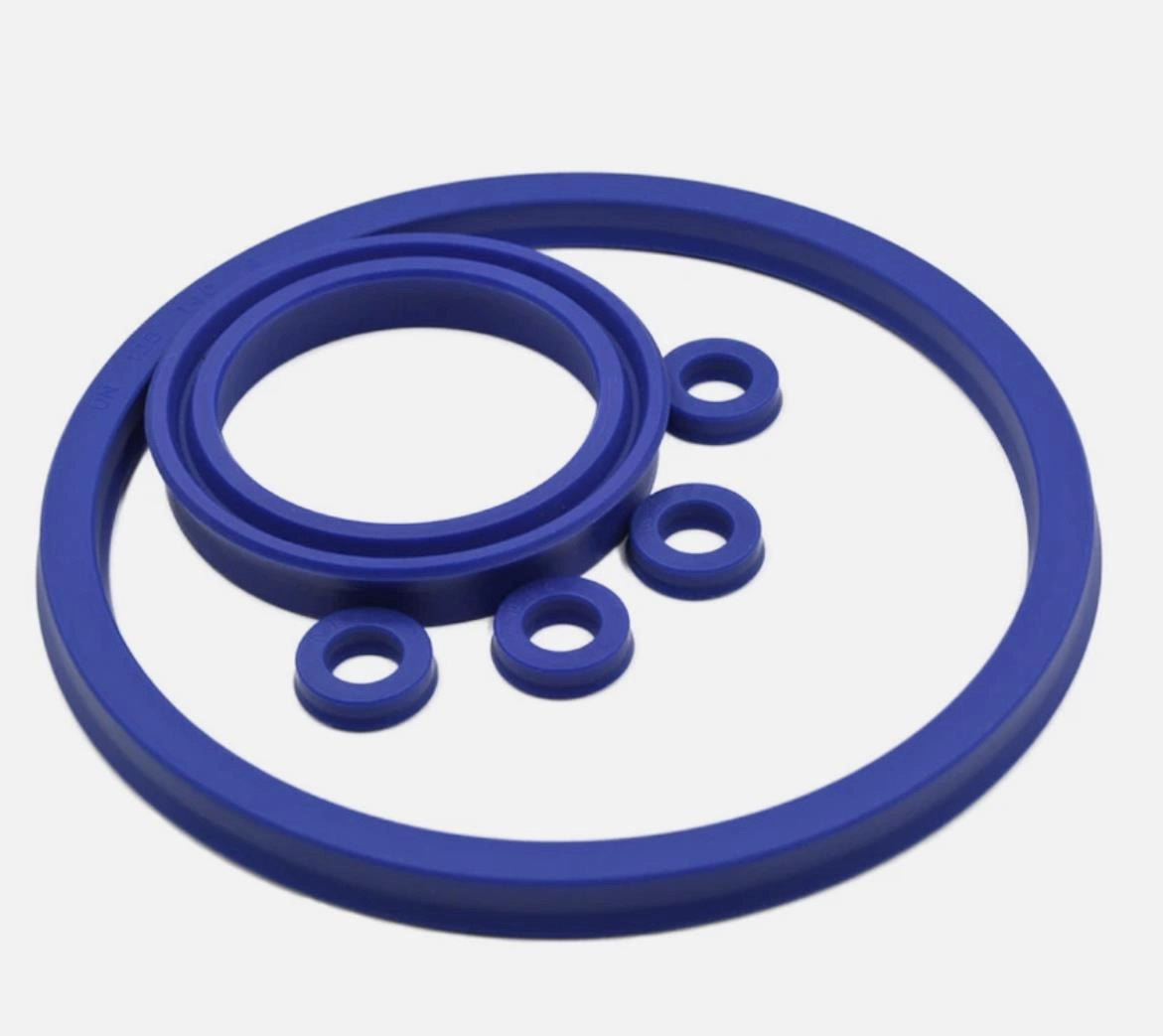
Hydraulic sealing systems often operate under demanding conditions where pressure, temperature, fluid compatibility, friction, and contamination can directly affect component performance. Hydraulic V-Ring Seals are designed to address these challenges by combining an appropriate sealing profile with carefully selected elastomer materials.
For equipment exposed to hydraulic oil, fuel, water, chemicals, elevated temperatures, or repeated mechanical movement, choosing a seal based only on size is not enough. Material selection, working environment, sealing pressure, installation conditions, and expected service life all need to be considered together.
HaO Seal Technology Co.,Ltd provides precision-engineered rubber sealing components using elastomers including NBR, EPDM, Silicone, FKM (Viton®), and FFKM. These materials allow sealing solutions to be matched to different industrial and commercial operating conditions.
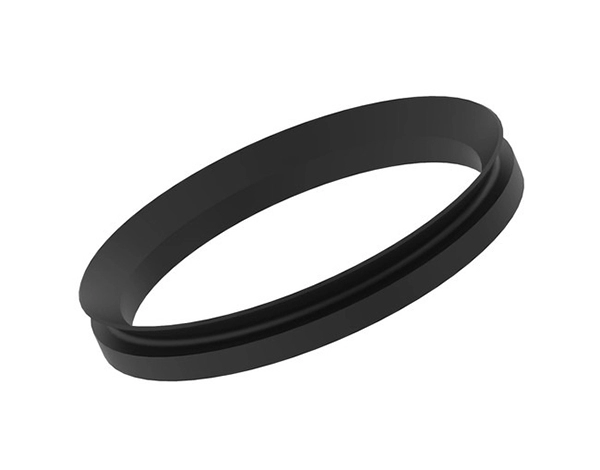
A hydraulic seal has to maintain contact between mating surfaces while accommodating pressure and movement. In demanding equipment, the sealing element may be exposed to continuous pressure, temperature fluctuations, aggressive fluids, vibration, or repeated movement.
This means the seal must maintain its physical properties throughout operation.
A properly designed Hydraulic V-Ring Seal can provide reliable sealing by using an elastic sealing profile that maintains contact with the relevant surfaces.
The effectiveness of the seal depends on several factors:
· Operating pressure
· Working temperature
· Hydraulic or process medium
· Shaft or piston movement
· Surface finish
· Installation conditions
· Required service life
· Exposure to chemicals or environmental contaminants
A seal that performs well in one application may not be suitable for another. This is why extreme operating conditions require a more deliberate approach to seal design.
Hydraulic equipment can generate significantly higher pressures than many general industrial applications.
Under pressure, an elastomeric seal can deform. If the material and profile are not properly matched to the application, excessive deformation may lead to leakage, extrusion, or premature wear.
The V-shaped sealing geometry provides a practical approach to maintaining sealing contact. As system pressure changes, the sealing element needs to respond without losing its ability to close the interface.
For high-pressure hydraulic applications, the design should therefore consider not only the nominal seal dimensions but also:
1. Pressure level
2. Pressure fluctuations
3. Clearance between mating components
4. Material hardness
5. Seal profile
6. Operating temperature
These parameters work together. Increasing pressure resistance by changing only one factor may not provide the expected result if the remaining conditions are ignored.
The elastomer is one of the most important parts of a hydraulic sealing solution.
Different rubber materials have different resistance characteristics, so the correct material depends heavily on the operating medium and temperature.
NBR, or nitrile rubber, is commonly used where resistance to mineral oils, hydraulic fluids, and fuels is required.
It provides a practical combination of sealing performance, mechanical strength, and resistance to oil-based media.
For general hydraulic equipment using compatible petroleum-based fluids, NBR can be an effective material choice.
However, NBR is not a universal solution. Applications involving high temperatures, aggressive chemicals, or specific environmental conditions may require another elastomer.
EPDM is well known for its resistance to water, steam, weathering, and a range of chemicals.
This makes it suitable for applications where the sealing element is exposed to water-based media or environmental conditions that are not well suited to standard nitrile rubber.
EPDM should not simply be substituted for NBR in every hydraulic application, particularly where petroleum-based oils or fuels are involved. Compatibility with the actual working medium must be confirmed before material selection.
Silicone rubber provides excellent flexibility across a broad temperature range.
It can be considered for applications where temperature variation and flexibility are important factors. Silicone is used in a variety of industrial and commercial sealing applications where its temperature characteristics and material properties fit the operating environment.
However, the final selection should still take into account mechanical loading, abrasion, pressure, and the specific fluid involved.
FKM, commonly associated with Viton®, is frequently selected for demanding environments requiring strong resistance to oils, fuels, elevated temperatures, and many chemicals.
This makes FKM a useful option for industrial equipment operating under more severe thermal or chemical conditions.
When a standard elastomer cannot provide the required combination of temperature and chemical resistance, FKM may offer a more appropriate material solution.
FFKM is an advanced elastomer used where exceptional chemical resistance and high-temperature performance are required.
It is typically considered for particularly demanding industrial environments where conventional sealing materials may not provide sufficient resistance.
The material should be selected according to the actual process medium, operating temperature, pressure, and performance requirements rather than simply choosing the highest-grade material available.
Extreme temperature is another major challenge for hydraulic sealing systems.
As temperature changes, elastomer properties can change as well. Excessive heat may accelerate material aging, while very low temperatures can affect flexibility and sealing contact.
For equipment operating through repeated heating and cooling cycles, the material needs to maintain adequate elasticity over the expected temperature range.
This is why temperature should be evaluated together with the working medium.
For example, a material may provide good resistance to a particular fluid under normal temperatures but perform differently when the same fluid is used at elevated temperatures.
The correct selection therefore requires a realistic understanding of the complete operating environment.
A seal can appear mechanically suitable but still fail if its material is incompatible with the working medium.
Hydraulic systems may use oils, fuels, water-based fluids, cleaning chemicals, or other process media. Industrial equipment may also be exposed to chemicals from the surrounding environment.
Chemical compatibility affects properties such as:
· Swelling
· Hardness
· Elasticity
· Tensile strength
· Compression resistance
· Long-term aging
NBR, EPDM, Silicone, FKM, and FFKM each have different chemical resistance characteristics.
For this reason, seal selection should begin with the actual fluid or chemical that will contact the sealing component.
Hydraulic sealing elements may operate around moving pistons, rods, shafts, or other components.
Repeated movement creates friction between the sealing material and the mating surface. Excessive friction can increase heat generation and accelerate wear.
On the other hand, insufficient sealing contact may result in leakage.
A practical seal design therefore needs to balance sealing force and movement resistance.
The condition of the mating surface also matters. Excessively rough surfaces can accelerate seal wear, while inappropriate surface conditions can interfere with consistent sealing contact.
Correct installation is equally important. A properly manufactured seal can still fail prematurely if it is damaged during installation or installed in an unsuitable groove.
Standard rubber seals are convenient for common applications, but industrial equipment does not always follow standard dimensions.
Custom sealing components may be required when a project involves:
· Non-standard groove dimensions
· Special shaft or bore sizes
· Unusual operating temperatures
· Specific hydraulic fluids
· Aggressive chemicals
· Limited installation space
· Special pressure requirements
· Particular material requirements
HaO Seal Technology Co.,Ltd can provide both standard and customized rubber O-rings and sealing components.
The advantage of customization is not simply obtaining a different size. A custom solution allows the sealing material and geometry to be considered alongside the actual equipment conditions.
When specifying a hydraulic V-ring sealing solution, buyers should provide as much application information as possible.
Determine whether the seal will contact hydraulic oil, fuel, water, chemicals, air, or another medium.
Specify both the normal operating temperature and possible temperature peaks.
Include working pressure, maximum pressure, and whether pressure is continuous, fluctuating, or intermittent.
Identify whether the application involves static sealing, reciprocating movement, rotary movement, or a combination of conditions.
Choose NBR, EPDM, Silicone, FKM, FFKM, or another suitable material based on the complete operating environment.
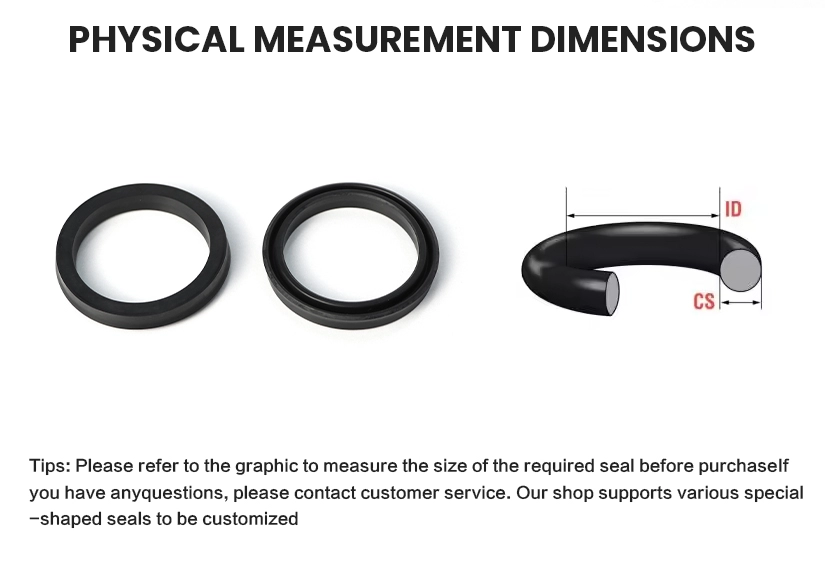
Accurate measurements of the sealing location, groove, shaft, bore, and available installation space are essential for selecting the correct size.
This process reduces the risk of choosing a seal simply because its dimensions appear compatible.
For sealing components, dimensional consistency matters.
Small differences in geometry, material properties, or surface quality can influence installation and sealing performance. Precision manufacturing helps ensure that each sealing component conforms to the intended design.
For industrial customers, consistency is particularly important when seals are purchased in batches and used across multiple machines or production lines.
HaO Seal Technology Co.,Ltd focuses on precision-engineered rubber sealing components for industrial and commercial applications, offering material options that can be matched to different operating environments.
The company's sealing solutions are designed with practical application requirements in mind rather than relying on a one-material-fits-all approach.
Hydraulic and rubber sealing components can be used across a broad range of equipment.
Typical applications may include:
· Hydraulic machinery
· Industrial automation equipment
· Pumps and valves
· Mechanical equipment
· Automotive systems
· Fluid handling equipment
· Chemical processing equipment
· General industrial machinery
The appropriate seal material and profile will vary according to the application.
For example, an oil-based hydraulic system may favor NBR or FKM, while water-related applications may require EPDM. Higher chemical or temperature demands may call for FKM or FFKM.
This application-based approach helps ensure that the sealing component is matched to the equipment rather than selected solely by product name.
Designing a seal for extreme operating conditions is not about choosing the most expensive or hardest material. It is about matching the sealing profile, elastomer, dimensions, pressure, temperature, movement, and working medium.
NBR provides a practical option for many oil and fuel applications. EPDM is valuable for water and compatible chemical environments. Silicone offers flexibility and temperature performance, while FKM provides strong resistance to heat, oils, fuels, and many chemicals. FFKM is available for particularly demanding chemical and high-temperature applications.
By considering these factors together, manufacturers can develop sealing solutions that provide reliable performance under real operating conditions.
Hydraulic V-Ring Seals used in demanding environments need to do more than simply fill a gap between two components. They must maintain sealing contact while resisting pressure, temperature changes, fluid exposure, friction, and mechanical movement.
The material is equally important. NBR, EPDM, Silicone, FKM, and FFKM each offer different performance characteristics, allowing the sealing solution to be matched to the application.
For customers requiring either standard or customized sealing components, rubber O-ring solutions can be developed around the actual equipment requirements. By considering operating conditions before selecting the seal, manufacturers and equipment designers can improve sealing reliability and reduce the risk of premature failure.
For specialized applications, working directly with a professional rubber seal manufacturer can also make it easier to confirm the appropriate material, dimensions, and sealing configuration before production.