
2026/01/14
Material Selection Guide for Rubber X-Rings Used in Dynamic Sealing


Working with an experienced seal manufacturer can make a significant difference in equipment reliability, product consistency, and long-term sealing performance. For OEMs, machinery manufacturers, distributors, and industrial users, selecting the right supplier involves more than finding a standard component. Material compatibility, V-Ring dimensions, hardness, temperature resistance, production accuracy, and customization capabilities all affect whether a seal will perform reliably in the field. HaO Seal Technology Co.,Ltd. provides precision-engineered sealing components using NBR, EPDM, Silicone, FKM, and FFKM for a wide range of industrial and commercial applications.
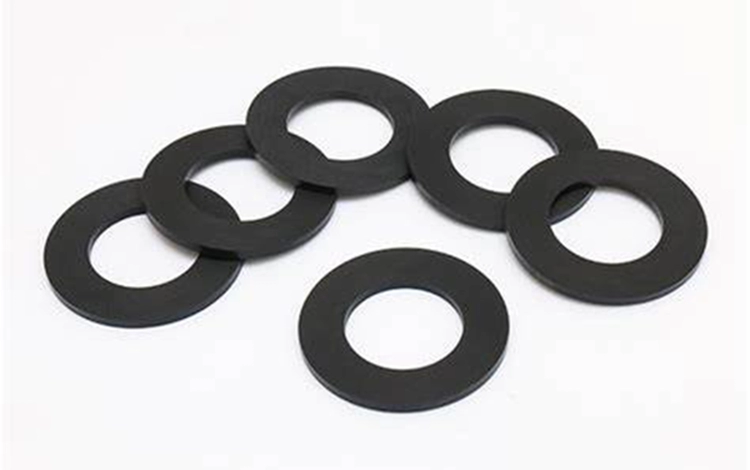
Sealing components may look simple, but their performance depends on several technical factors working together. A small dimensional deviation, unsuitable elastomer, or incorrect hardness can result in leakage, excessive wear, or premature failure.
An experienced manufacturer understands these relationships and can evaluate a sealing requirement from multiple angles. Instead of simply supplying a component based on its nominal size, a professional manufacturer can consider the working fluid, pressure, temperature, movement, groove design, and installation conditions.
This experience is particularly valuable for OEM customers developing new equipment or replacing an existing sealing component with an alternative specification.
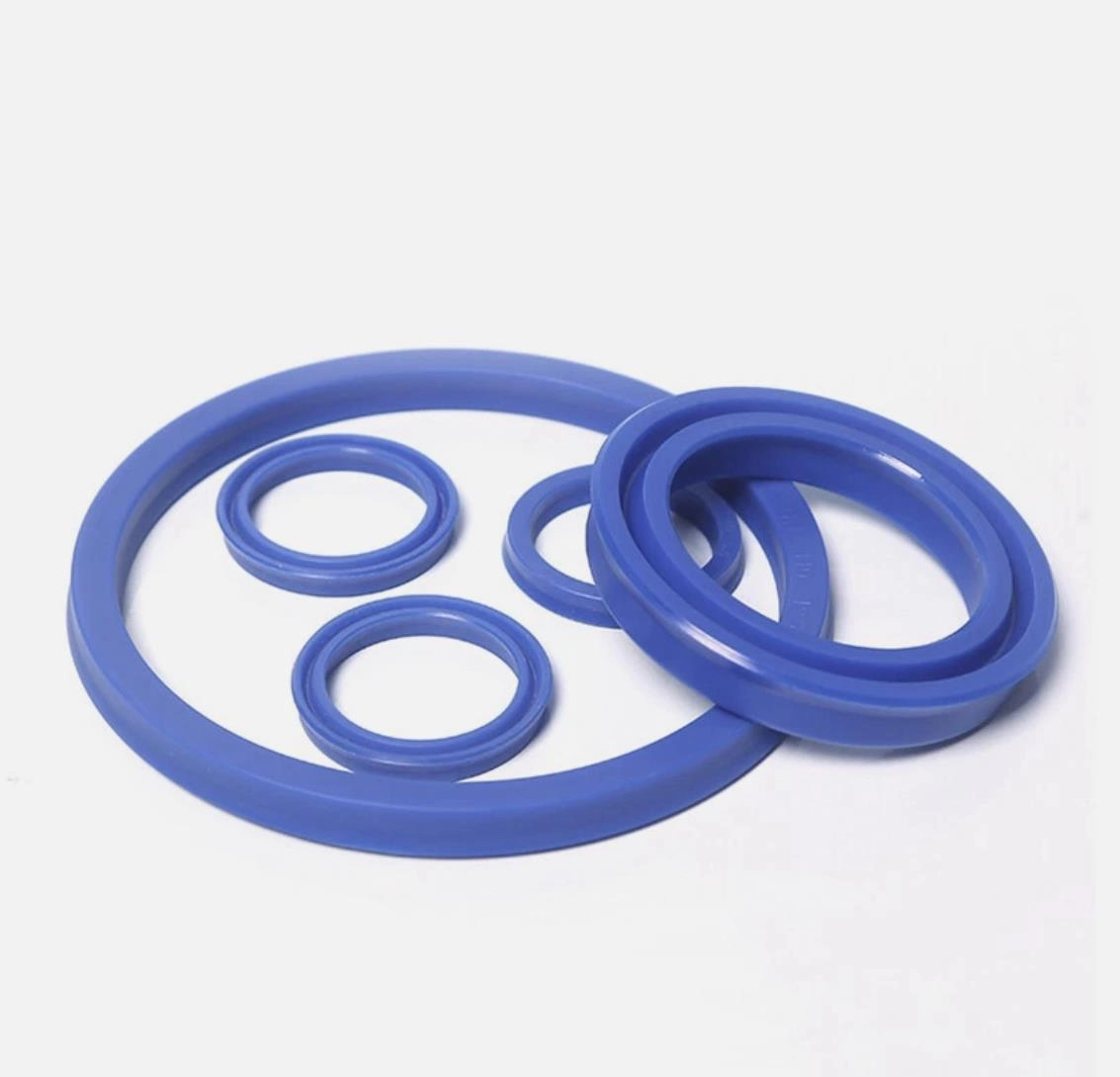
A well-selected V-Ring Seal can provide stable contact between mating surfaces while helping control leakage and contamination. The right manufacturing partner helps ensure that the material and dimensions are appropriate for the actual application.
One of the key advantages of working with an experienced seal manufacturer is access to multiple material options and practical material-selection knowledge.
HaO Seal Technology offers several elastomers, including:
NBR, or nitrile rubber, is widely used for general industrial and hydraulic sealing applications. It provides good resistance to mineral oils, petroleum-based fluids, fuels, and abrasion.
For conventional hydraulic systems and equipment operating under suitable temperature conditions, NBR is often a practical choice because of its balance of mechanical properties and fluid resistance.
EPDM offers strong resistance to water, steam, ozone, weathering, and many environmental conditions. It is commonly considered for water-based systems and outdoor equipment.
However, EPDM is generally unsuitable for petroleum-based oils and fuels. An experienced manufacturer can help identify this compatibility issue before the seal enters production.
Silicone provides excellent flexibility and maintains useful elasticity across a broad temperature range. It can be suitable for applications where temperature fluctuations and flexibility are important.
At the same time, silicone may not be the best choice for applications involving severe abrasion or certain hydraulic fluids. Application-specific evaluation is therefore important.
FKM, commonly associated with the Viton® material family, provides good resistance to heat, oils, fuels, and many chemicals. It is often selected for demanding industrial environments where standard elastomers may not provide sufficient temperature or chemical resistance.
FFKM is designed for particularly severe applications involving aggressive chemicals and elevated temperatures. Its high chemical resistance makes it suitable for specialized industrial environments where sealing reliability is critical.
The correct FFKM compound should be selected according to the actual fluid, temperature, pressure, and mechanical conditions.
V-Ring dimensions are another important consideration when selecting a sealing component. Even a high-quality elastomer can perform poorly if its dimensions do not match the equipment.
An experienced manufacturer understands that dimensional requirements extend beyond simply checking the inside diameter. Depending on the application, manufacturers may need to consider:
· Inside diameter
· Outside diameter
· Cross-section
· Groove dimensions
· Shaft dimensions
· Installation clearance
· Contact surfaces
· Static or dynamic movement
HaO Seal Technology supports standard and customized sizes, helping customers address applications where standard dimensions are not sufficient.
Available standards include AS568, ISO 3601, and JIS B 2401. Customized dimensions can also be developed according to customer drawings or equipment requirements.
This flexibility can be especially useful for OEM equipment with proprietary groove designs or existing components that do not follow standard dimensions.
Hardness affects how an elastomer responds to pressure, deformation, and movement. HaO Seal Technology offers hardness options from approximately 20–90 Shore A, allowing customers to select a suitable specification based on the application.
Softer materials may provide greater flexibility and conformability, while harder compounds can offer improved resistance to deformation and extrusion in certain high-pressure environments.
However, hardness should never be selected independently. Groove geometry, operating pressure, temperature, clearance, material formulation, and dynamic movement all influence the appropriate hardness.
An experienced manufacturer can help balance these variables rather than treating Shore A hardness as an isolated specification.
Temperature is another factor that directly affects seal performance. Excessive heat can accelerate elastomer aging, while very low temperatures may reduce flexibility and increase the risk of leakage during startup.
Depending on the material and formulation, HaO Seal Technology's sealing products can support temperatures from approximately -60°C to +320°C.
This broad temperature capability provides options for applications ranging from low-temperature environments to demanding high-temperature industrial equipment.
However, the actual operating limit depends on the selected material, hydraulic or process fluid, pressure, exposure duration, and mechanical conditions. An experienced manufacturer can evaluate these factors together when recommending a suitable material.
Another major advantage of working with an experienced seal manufacturer is production consistency.
For OEMs and equipment manufacturers, receiving one acceptable batch is not enough. Seals need to maintain consistent dimensions, hardness, material characteristics, and overall quality from batch to batch.
Production consistency helps reduce problems such as:
· Variable sealing performance
· Difficult installation
· Premature leakage
· Increased assembly time
· Unexpected equipment downtime
· Frequent quality complaints
Precision-engineered rubber components must be manufactured with appropriate process control to maintain the required specifications. Consistency becomes particularly important when seals are used in large-volume equipment production.
Not every application can be solved with an off-the-shelf component. Specialized machinery may require a particular size, material, hardness, or dimensional tolerance.
An experienced manufacturer can work from technical drawings, samples, dimensions, or application specifications to develop a customized sealing component.
For example, an OEM may need a seal that combines:
· A non-standard V-Ring dimension
· A specific elastomer
· A particular Shore A hardness
· High-temperature resistance
· Resistance to a specific hydraulic fluid
Rather than forcing the application to fit an existing product, customized manufacturing allows the sealing component to be developed around the equipment.
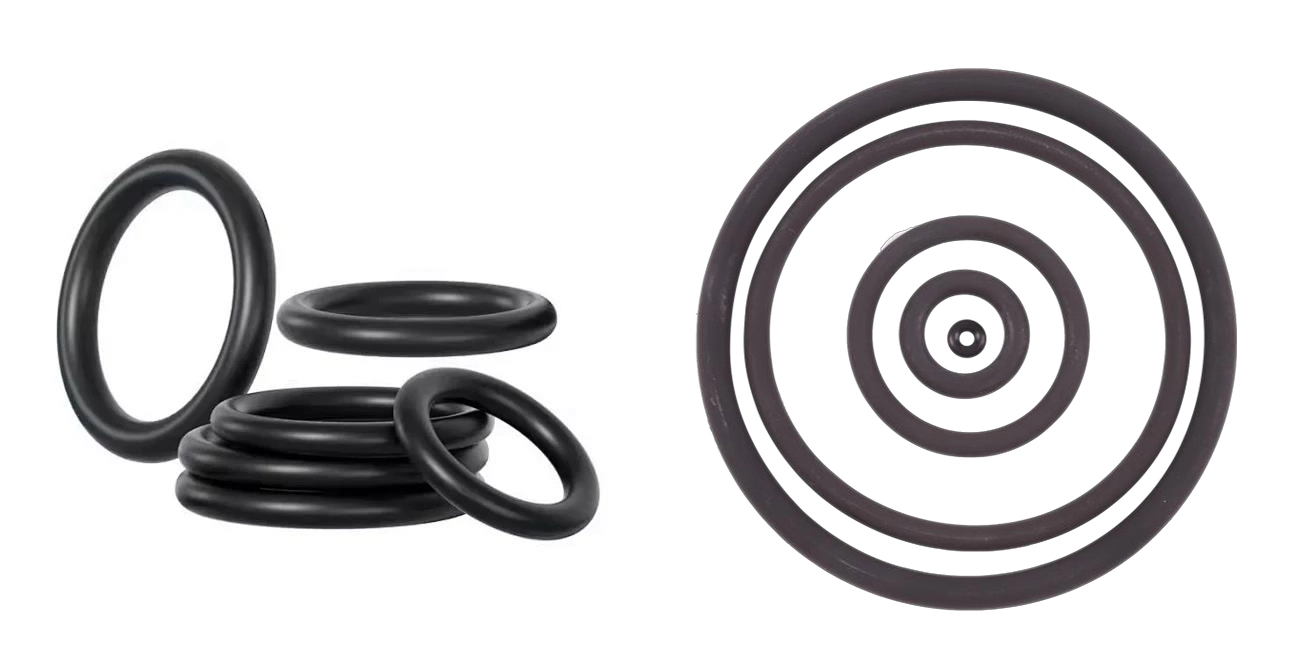
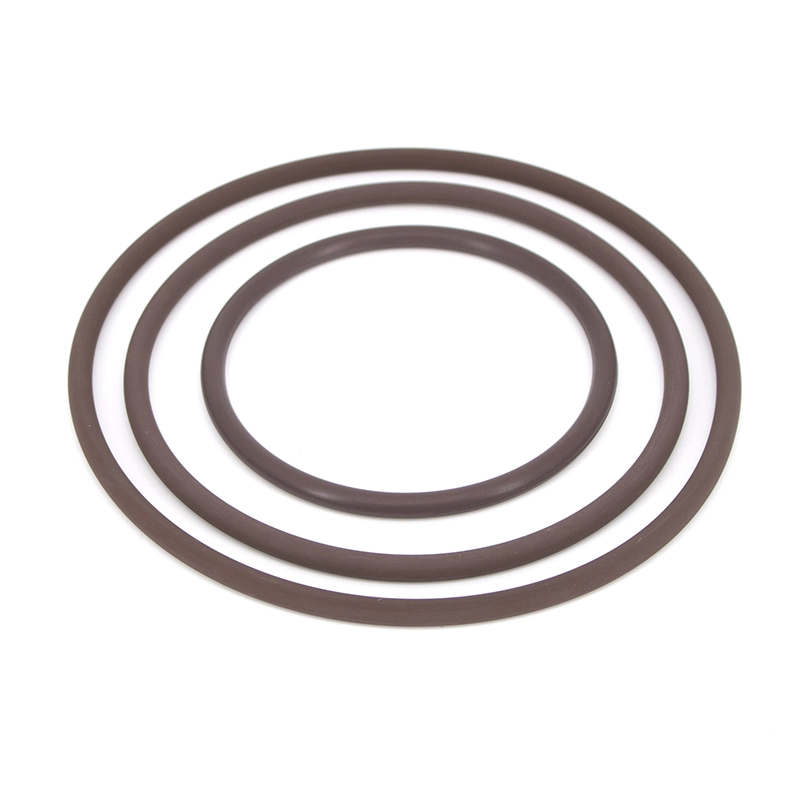
In addition to V-Ring sealing components, HaO Seal Technology provides precision-engineered rubber O-rings for industrial and commercial applications. These components are available in materials such as NBR, EPDM, Silicone, FKM, and FFKM.
As a rubber O-ring manufacturer, HaO Seal Technology can support both standard specifications and customized requirements. The available material range allows customers to select solutions based on oil, fuel, water, chemical, and temperature exposure.
For OEM applications, this flexibility can simplify sourcing by allowing different sealing requirements to be addressed through a manufacturer with multiple elastomer capabilities.
The ultimate value of an experienced seal manufacturer is not simply the sealing component itself. It is the ability to reduce avoidable problems throughout the equipment lifecycle.
A properly selected and accurately manufactured seal can help:
1. Control hydraulic or process fluid leakage.
2. Prevent contaminants from entering critical areas.
3. Reduce unnecessary friction and wear.
4. Protect mating components.
5. Minimize premature seal replacement.
6. Support more stable equipment operation.
7. Reduce maintenance interruptions.
These benefits depend on correct material selection, dimensions, hardness, installation, and operating conditions. A knowledgeable manufacturer can help address these factors before they become field problems.
HaO Seal Technology Co.,Ltd. focuses on precision-engineered rubber sealing components for industrial and commercial applications. The company provides NBR, EPDM, Silicone, FKM, and FFKM material options, covering a wide range of requirements for oil, fuel, water, chemicals, and temperature resistance.
With hardness options from 20–90 Shore A, temperature capability from approximately -60°C to +320°C, and support for AS568, ISO 3601, JIS B 2401, and customized sizes, HaO Seal Technology can accommodate both standard and specialized sealing requirements.
For customers that require more than a catalog component, the combination of material options, dimensional flexibility, and precision manufacturing provides a practical foundation for developing reliable sealing solutions.
Before placing an order, it is useful to provide as much application information as possible. A professional manufacturer should be able to work with details such as:
Fluid: What liquid, gas, oil, fuel, or chemical will contact the seal?
Temperature: What are the normal and maximum operating temperatures?
Pressure: What is the working pressure and possible peak pressure?
Movement: Is the seal used in a static, reciprocating, or rotating application?
Dimensions: What are the required V-Ring dimensions, groove dimensions, and installation clearances?
Material: Is a specific elastomer required, or is material selection open for recommendation?
Hardness: Is there an existing Shore A specification that needs to be maintained?
Providing these details allows the manufacturer to make a more informed recommendation and reduces the risk of selecting a seal based on size alone.
Working with an experienced seal manufacturer provides advantages that extend well beyond product availability. Technical material selection, accurate V-Ring dimensions, controlled hardness, consistent manufacturing, customization capability, and application support all contribute to better sealing performance.
For equipment manufacturers and industrial users, choosing the right supplier can help prevent leakage, reduce premature wear, simplify maintenance, and support longer equipment service life.
HaO Seal Technology Co.,Ltd. combines multiple elastomer options, standard and customized dimensions, and precision-engineered production to provide sealing solutions for diverse operating environments. Whether the requirement involves NBR for general hydraulic applications, EPDM for water exposure, Silicone for flexibility, FKM for demanding heat and chemical conditions, or FFKM for severe environments, the right material and specification can be selected around the actual