
2026/04/27
Hydraulic V-Ring Seal Manufacturer China Factory Guide


Dynamic sealing is one of the most critical yet challenging aspects of mechanical system design. Unlike static seals, dynamic seals must perform reliably while components are in motion—rotating, reciprocating, vibrating, or operating under fluctuating pressure and temperature. Traditionally, the O-ring has been the most widely used sealing element. However, as operating conditions become more demanding, the Rubber X-Ring for dynamic sealing has emerged as a more effective alternative.
This article provides a detailed comparison between Rubber X-Rings and O-Rings, focusing on their performance differences in dynamic applications, material options, durability, and suitability for modern industrial systems.
The most visible difference between an O-ring and an X-ring lies in their cross-sectional shape.
An O-ring has a simple circular cross section. This design works well in static sealing or low-motion applications but can struggle in dynamic environments where rolling, twisting, and uneven wear are common.
A Rubber X-Ring, by contrast, features a four-lobed “X-shaped” cross section. This geometry creates multiple sealing lips and internal lubricant reservoirs, which significantly influence sealing behavior under motion.
While the shape difference may appear minor, it has a substantial impact on sealing efficiency, stability, and service life.
In dynamic sealing systems such as hydraulic cylinders, rotating shafts, or compressors, O-rings are prone to several issues:
Rolling or twisting within the groove
Uneven contact pressure
Higher friction during movement
Accelerated wear at contact points
These issues often lead to premature leakage or seal failure, particularly in high-speed or high-cycle applications.
Rubber X-Rings are specifically designed to address these limitations. Their multi-lip structure provides two active sealing lines on each side, ensuring more stable contact with mating surfaces.
Key performance advantages include:
Reduced tendency to twist or roll
More uniform pressure distribution
Improved sealing consistency during reciprocating or rotary motion
This makes X-Rings especially suitable for dynamic systems where reliability over long service intervals is essential.
Friction is a major factor in dynamic sealing performance. Excessive friction not only increases energy consumption but also accelerates wear on both the seal and surrounding components.
O-rings rely heavily on external lubrication. Without sufficient lubricant, friction rises sharply, leading to heat buildup and material degradation. In dynamic systems, maintaining a consistent lubricant film can be difficult.
The unique geometry of Rubber X-Rings allows lubricant to be retained in the grooves between sealing lips. This built-in lubrication reservoir helps maintain a stable lubricating film throughout operation.
As a result:
Friction is reduced
Heat generation is minimized
Wear rates are significantly lower
These characteristics contribute to longer seal life and more predictable maintenance cycles.
Both O-rings and X-rings can be manufactured from a wide range of elastomers, but X-rings are more frequently selected for advanced material combinations, particularly when bonded to metal inserts.
Common Rubber X-Ring material options include:
NBR (Nitrile Rubber): Suitable for oils, fuels, and hydraulic fluids
EPDM: Ideal for water, steam, and brake systems
Silicone: Excellent low-temperature flexibility and thermal stability
FKM: Strong resistance to high temperatures and aggressive chemicals
FFKM: Designed for extreme chemical and thermal environments
These materials support a temperature range from -60°C to +320°C, depending on the compound, with hardness options from 40 to 95 Shore A.
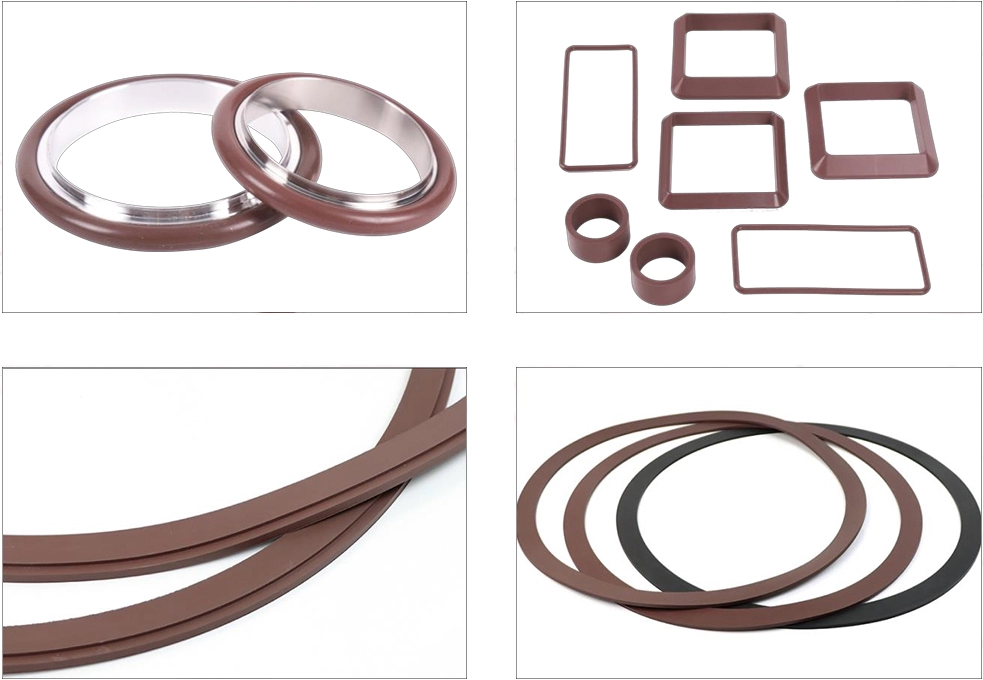
One of the most significant advantages of Rubber X-Rings is their compatibility with metal bonded rubber seal designs.
Metal bonded rubber seals combine the elasticity of rubber with the structural strength of metal inserts such as:
Stainless steel
Carbon steel
Aluminum
The rubber is vulcanized or chemically bonded to the metal, creating a permanent, high-strength interface. This construction offers several benefits over conventional O-ring designs:
Superior dimensional stability
Enhanced resistance to vibration and pressure spikes
Secure positioning within the assembly
Extended service life in harsh environments
These composite seals are widely used in demanding applications where O-rings alone may not provide sufficient durability.
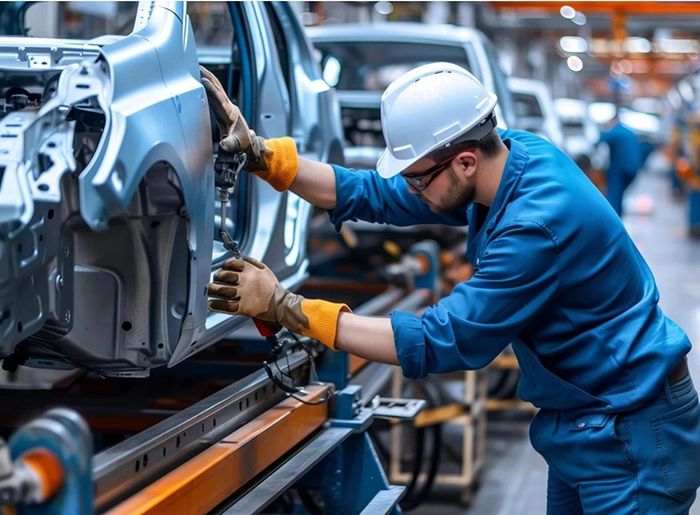
In braking systems, engine mounts, and shock absorbers, dynamic loads and vibration are constant. Rubber X-Rings and metal bonded rubber seals provide both sealing and vibration damping, improving system reliability.
Pumps, valves, and hydraulic equipment benefit from the lower friction and higher stability of X-Rings, particularly under continuous motion and pressure cycling.
In oil and gas pipelines, HVAC systems, and compressors, X-Rings offer improved resistance to temperature fluctuations and media exposure compared to standard O-rings.
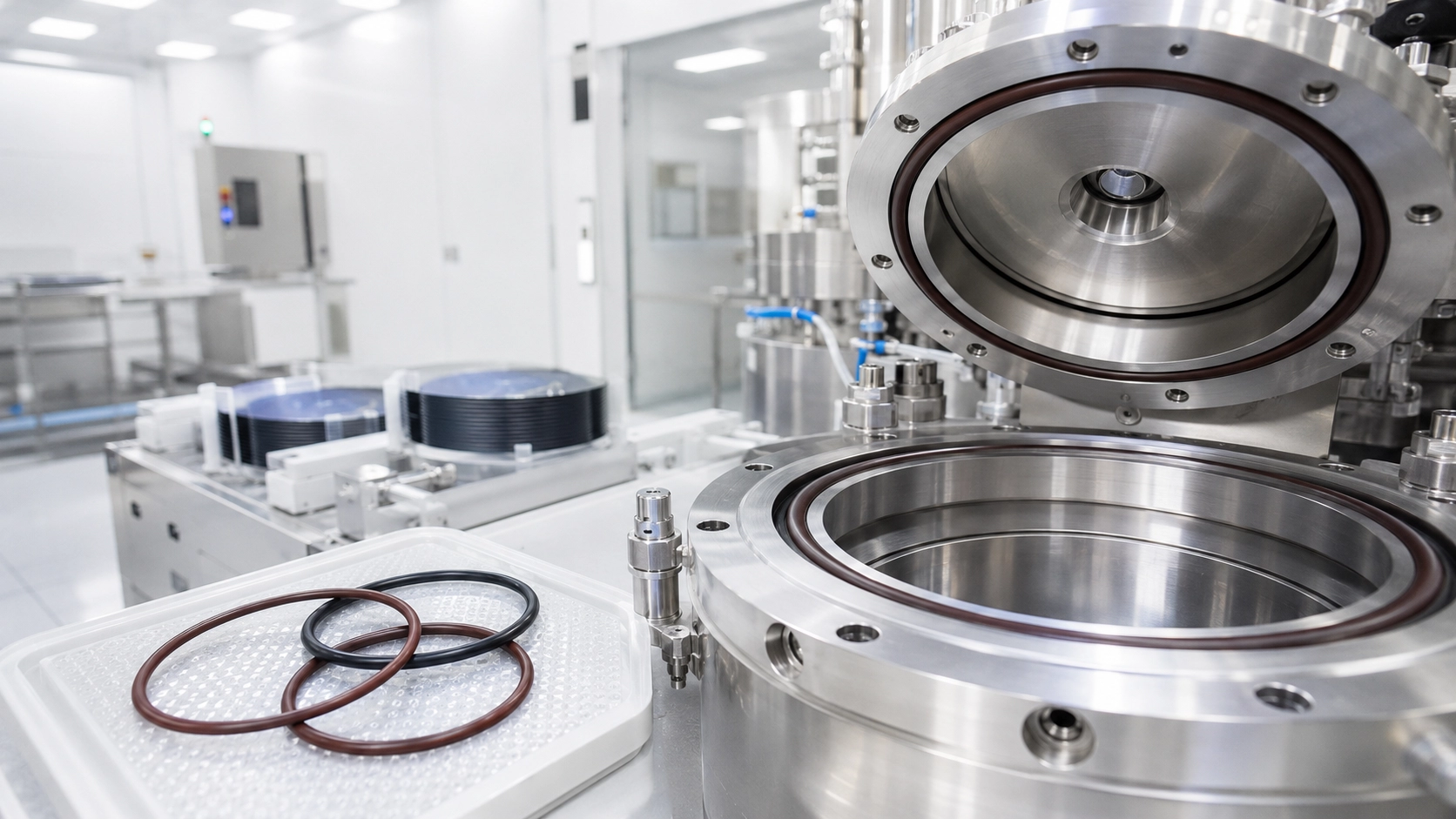
In contamination-sensitive environments, such as semiconductor manufacturing, the stable sealing behavior and material purity of Rubber X-Rings help ensure high-purity, leak-free performance.
Modern sealing applications often require more than off-the-shelf components. Rubber X-Rings can be customized in terms of:
Shape and cross-section
Thickness and dimensions
Rubber-to-metal bonding design
They can also be manufactured to comply with international standards, including RoHS, REACH, FDA, and UL, ensuring suitability for regulated industries.
Manufacturers such as Guangdong Haoou Sealing Technology Co., Ltd. provide engineered sealing solutions tailored to specific dynamic sealing challenges. A range of bonded rubber sealing components and custom designs can be explored through their product portfolio at
https://www.haosealtech.com/product/.
While O-rings remain a cost-effective solution for many static or low-motion applications, they often fall short in demanding dynamic environments. Rubber X-Rings, particularly when integrated into metal bonded rubber seal designs, offer clear advantages in terms of stability, friction control, durability, and sealing reliability.
For engineers and manufacturers seeking long-term performance in dynamic systems, the Rubber X-Ring represents a technically sound and future-ready sealing solution.