
2026/04/27
Hydraulic V-Ring Seal Manufacturer China Factory Guide


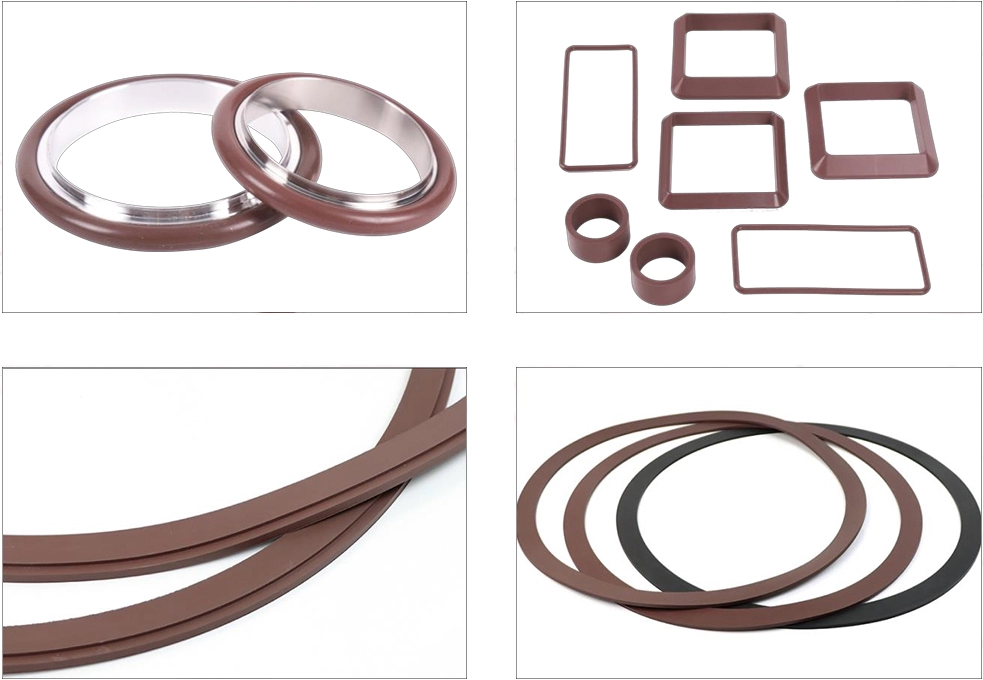
When choosing a hydraulic V-Ring seals manufacturer, engineers are often focused on pressure ratings, material compatibility, and service life. However, selecting the right sealing system involves more than choosing a single seal profile. In many hydraulic cylinder applications, hydraulic V-Ring seals work alongside <a href="https://www.haosealtech.com/product/">rubber V-Rings</a> to create reliable sealing performance under demanding operating conditions. Together, these sealing components help prevent leakage, reduce contamination, and maintain stable hydraulic pressure throughout the life of the equipment.
Hydraulic cylinders are widely used in construction machinery, agricultural equipment, mining systems, industrial presses, injection molding machines, lifting equipment, and manufacturing automation. Every hydraulic cylinder relies on an effective sealing system to convert hydraulic pressure into controlled mechanical movement. Even a minor seal failure can result in oil leakage, pressure loss, reduced efficiency, equipment downtime, and costly maintenance.
Understanding how hydraulic V-Ring seals function—and how they complement precision-engineered <a href="https://www.haosealtech.com/product/">rubber V-Rings</a>—helps equipment manufacturers select sealing solutions that improve long-term reliability.
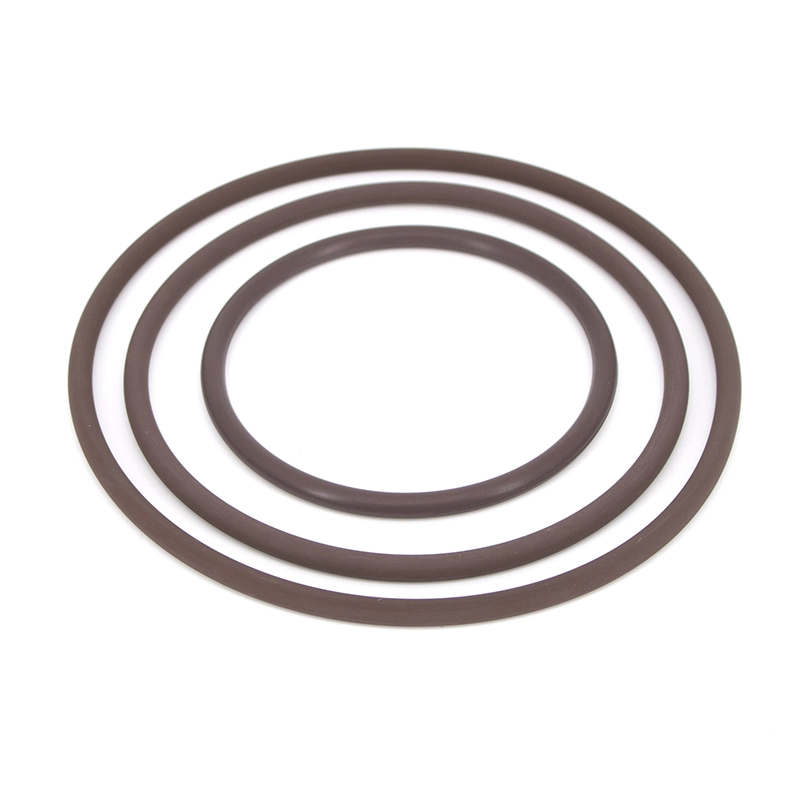
A hydraulic V-Ring seal is a flexible sealing element with a V-shaped cross section that creates sealing force through hydraulic pressure and mechanical compression.
Unlike conventional lip seals, V-Ring seals are often installed as multiple sealing rings within a sealing stack. Hydraulic pressure increases the contact force between the seal and the sealing surface, improving sealing efficiency as operating pressure rises.
This self-energizing design allows V-Ring seals to perform reliably across a wide range of operating pressures while maintaining excellent sealing stability.
They are commonly installed in:
· Hydraulic cylinders
· Hydraulic presses
· Heavy industrial equipment
· Mining machinery
· Marine hydraulic systems
· Oilfield equipment
Hydraulic cylinders operate by maintaining pressurized hydraulic fluid inside a closed chamber.
If internal pressure cannot be maintained, the cylinder immediately loses efficiency.
An effective sealing system performs several important functions:
· Prevents hydraulic oil leakage
· Maintains operating pressure
· Blocks dust and contaminants
· Reduces internal friction
· Extends component life
· Improves equipment reliability
Since hydraulic systems often operate continuously under high pressure, sealing performance directly influences equipment productivity.
Hydraulic V-Ring seals become more effective as system pressure increases.
Initially, mechanical compression creates basic sealing contact.
Once hydraulic pressure is introduced, fluid pressure forces the flexible sealing lips outward against the mating surfaces.
This creates:
· Improved sealing pressure
· Better wear compensation
· Lower leakage rates
· Stable performance under pressure fluctuations
Unlike rigid sealing structures, V-Ring seals automatically adapt to minor wear while maintaining sealing effectiveness throughout their service life.
Although V-Ring seals provide dynamic sealing, rubber V-Rings remain one of the most widely used sealing components in hydraulic equipment.
They are commonly installed to provide static sealing between hydraulic components including:
· Valve bodies
· Cylinder heads
· End caps
· Hydraulic fittings
· Pumps
· Connectors
HaO Seal Technology Co., Ltd. manufactures precision-engineered <a href="https://www.haosealtech.com/product/">rubber V-Rings</a> designed for dependable sealing performance across industrial and commercial applications.
Their products are manufactured using high-quality elastomers including:
· NBR (Nitrile)
· EPDM
· Silicone
· FKM (Viton®)
· FFKM
Each material offers specific advantages depending on operating media, pressure, and environmental conditions.
Material selection is often the deciding factor in seal performance.
Different hydraulic fluids and operating environments require different elastomers.
NBR is widely used in hydraulic cylinders because of its excellent resistance to:
· Hydraulic oil
· Mineral oil
· Lubricants
· Fuel
It also offers good abrasion resistance, making it ideal for general hydraulic equipment.
EPDM performs well in:
· Water-based hydraulic fluids
· Steam
· Outdoor applications
· Weather exposure
However, it is generally not recommended for petroleum-based oils.
Silicone offers exceptional flexibility across a wide temperature range.
It performs well in applications involving:
· Extreme cold
· Elevated temperatures
· Medical equipment
· Food processing machinery
FKM provides excellent resistance to:
· High temperatures
· Oils
· Fuel
· Industrial chemicals
It is frequently selected for demanding industrial hydraulic systems.
FFKM represents the highest level of chemical resistance among elastomers.
It performs reliably under:
· Aggressive chemicals
· High temperatures
· Corrosive processing environments
Although used primarily in specialized industries, FFKM delivers exceptional durability under extreme operating conditions.
Hydraulic leakage is often progressive rather than sudden.
Small leaks may initially appear insignificant but can eventually lead to:
· Pressure loss
· Reduced cylinder force
· Oil contamination
· Equipment downtime
· Higher maintenance costs
By combining hydraulic V-Ring seals with properly selected V-Rings, manufacturers create multiple sealing barriers that significantly reduce leakage risks.
This layered sealing strategy improves long-term equipment stability while reducing maintenance frequency.
Not every hydraulic cylinder follows standard dimensions.
OEM manufacturers frequently require:
· Special cross-sections
· Customized diameters
· Unique hardness levels
· Special material formulations
HaO Seal Technology Co., Ltd. supplies both standard and customized rubber V-Rings to match customer-specific engineering requirements.
Precision manufacturing allows every sealing component to achieve consistent dimensional accuracy, ensuring stable installation and dependable sealing performance.
Hydraulic V-Ring seals and rubber V-Rings are widely used throughout modern hydraulic systems.
Common applications include:
· Excavators
· Bulldozers
· Agricultural tractors
· Hydraulic presses
· CNC machinery
· Injection molding equipment
· Mobile hydraulic systems
· Industrial automation
· Marine hydraulic equipment
· Mining machinery
These industries demand sealing components capable of maintaining performance under continuous pressure, vibration, contamination, and temperature variation.
Choosing the correct sealing solution requires evaluating multiple operating conditions.
Important considerations include:
Higher pressures require materials and seal profiles capable of maintaining sealing force without excessive deformation.
Temperature directly affects elastomer flexibility and service life.
Not every elastomer performs equally with every hydraulic fluid.
Selecting chemically compatible materials prevents premature degradation.
Rod speed, reciprocating movement, and friction all influence seal wear.
Dust, moisture, UV exposure, and chemicals should all be considered during seal selection.
Proper evaluation of these factors helps maximize seal life while minimizing maintenance requirements.
Selecting a sealing supplier is about more than purchasing individual components. Consistent manufacturing quality, engineering expertise, and material flexibility all contribute to long-term equipment performance.
HaO Seal Technology Co., Ltd. specializes in producing precision rubber sealing products for hydraulic, industrial, automotive, and commercial applications. The company offers high-quality rubber V-Rings manufactured from NBR, EPDM, Silicone, FKM (Viton®), and FFKM, providing excellent resistance to oils, fuels, water, chemicals, and high temperatures.
Whether customers require standard specifications or customized sealing solutions, HaO Seal Technology delivers precision-engineered products designed to meet demanding application requirements. Strict quality control, stable production processes, and flexible manufacturing capabilities allow the company to support equipment manufacturers across a wide range of industries.
Hydraulic V-Ring seals play a critical role in maintaining pressure, preventing leakage, and extending the service life of hydraulic cylinders. Their self-energizing design makes them especially effective in high-pressure applications where sealing reliability is essential.
When combined with high-quality <a href="https://www.haosealtech.com/product/">rubber V-Rings</a>, hydraulic systems benefit from enhanced sealing performance, improved durability, and reduced maintenance requirements. Material selection, precision manufacturing, and proper seal design all contribute to reliable operation under demanding industrial conditions.
For manufacturers seeking dependable hydraulic sealing solutions, HaO Seal Technology Co., Ltd. provides precision-engineered standard and custom rubber V-Rings that support long-term equipment performance across a broad range of hydraulic and industrial applications.