
2026/02/27
O-Ring Sealing Solutions for Pumps, Valves, and Compressors


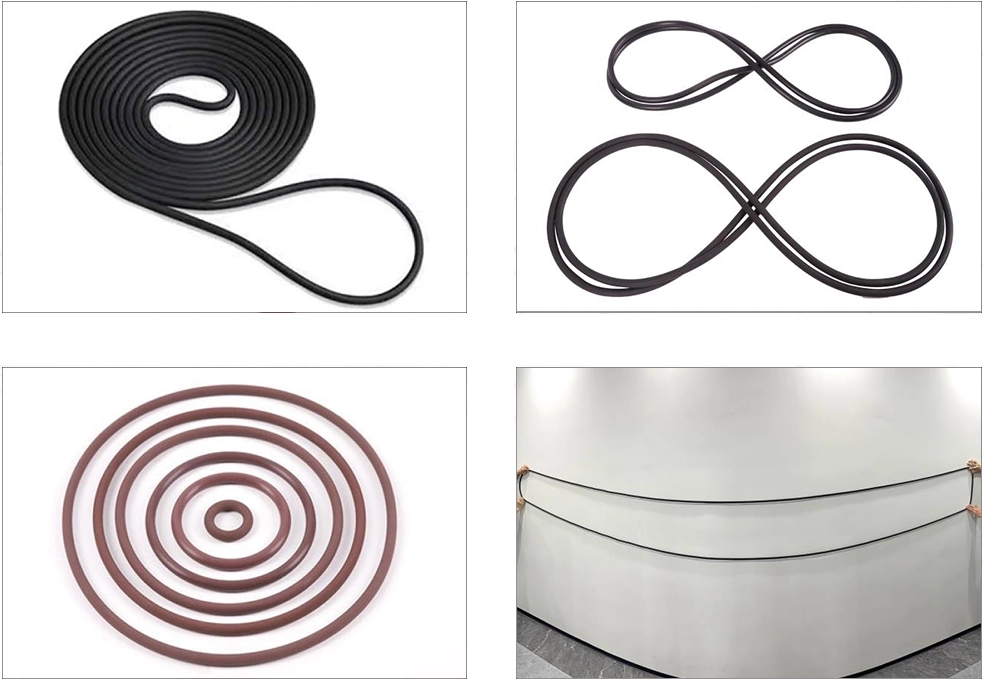
Sealing rings may look like small and simple components, but in industrial systems they carry significant responsibility. A properly installed and well-maintained sealing ring can protect equipment from leakage, contamination, pressure loss, and premature wear. On the other hand, even a high-quality seal can fail quickly if installation and maintenance practices are neglected.
At R&D, we have spent over 16 years working closely with customers across demanding industries to design and manufacture high-performance sealing solutions. Through our CUSTOM SEALING DESIGN approach, we have learned that performance does not depend only on material selection or dimensional accuracy. Installation discipline and preventive maintenance play an equally critical role.
This article outlines practical, field-proven best practices for installing and maintaining sealing rings, whether you are using standard O-rings or custom-engineered sealing components.
Before installation begins, ensure the selected sealing ring is technically suitable for the application.
Sealing rings must be matched to:
Operating temperature range
System pressure
Media exposure (oil, fuel, water, chemicals, gas)
Mechanical movement (static or dynamic)
Environmental factors (UV, ozone, steam, abrasion)
Common elastomers used in high-quality rubber O-rings include:
NBR (Nitrile) – excellent oil and fuel resistance
EPDM – strong resistance to water and weathering
Silicone – wide temperature range and flexibility
FKM (Viton®) – superior heat and chemical resistance
FFKM – extreme chemical and temperature performance
Selecting the wrong compound can result in swelling, hardening, cracking, or compression set. That is why we always begin by carefully mapping out the operating conditions and developing the rubber compound in-house to match the real working environment.
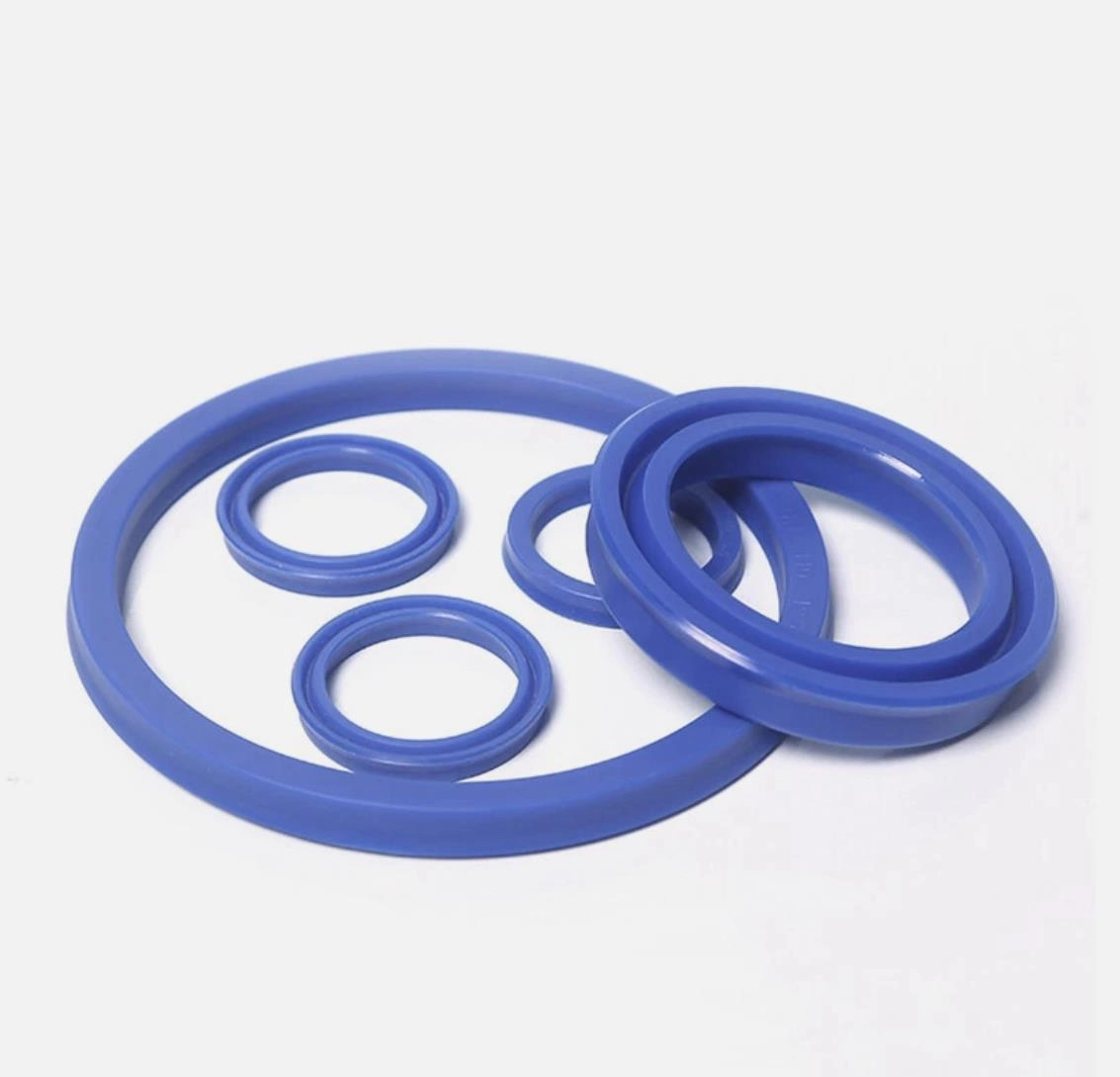
If your application involves high pressure or dynamic sealing, specialized profiles such as a UVY ring may be more suitable than a standard O-ring. You can explore detailed technical information here:
https://www.haosealtech.com/UVY-Ring/
Even precision-engineered seals require inspection before assembly.
Look for cuts, nicks, or surface defects
Ensure dimensions match the design drawing
Confirm hardness and material specification
Verify storage conditions (avoid seals exposed to heat or UV for long periods)
Remove burrs or sharp edges
Ensure groove dimensions meet design tolerances
Check surface finish (too rough can damage the seal; too smooth can affect lubrication retention)
Remove debris, dust, or metal particles
Surface cleanliness is critical. A small metal shaving can compromise sealing performance under pressure.
Lubrication reduces friction, prevents twisting, and minimizes installation damage.
Use a lubricant compatible with both the elastomer and system media
Apply a thin, uniform layer
Avoid over-lubrication in hydraulic or pneumatic systems where excess grease may interfere with operation
For dynamic applications, lubrication is even more important. It prevents tearing and helps the seal settle evenly into the groove during assembly.
Improper handling is one of the most common causes of early failure.
Do not stretch O-rings beyond recommended limits
Avoid using sharp tools for installation
Use installation cones or sleeves for shafts
Ensure the seal is not twisted (a twisted O-ring will fail quickly in dynamic use)
For larger diameter rings, special tools can help maintain roundness during installation. In critical applications, we often provide installation recommendations as part of our custom sealing design service.
Correct compression ensures reliable sealing without overstressing the material.
Too little compression leads to leakage
Too much compression increases friction and accelerates wear
Groove design is crucial here. In custom projects, we calculate optimal squeeze percentage based on material hardness and operating pressure. For example, dynamic seals typically require lower compression than static seals to reduce friction.
When seals are used under high pressure, backup rings or special profiles such as UVY rings may be recommended to prevent extrusion.
Rubber materials respond to temperature changes.
Cold environments may make elastomers less flexible
High temperatures can temporarily soften certain compounds
If installing in low-temperature environments, allow seals to acclimate to room temperature before installation. For high-temperature applications, verify the material grade can withstand both installation and operational heat.
Our customized mold solutions often address extreme temperature requirements by adjusting the rubber compound formulation from the start.
Even high-performance elastomers will degrade over time under pressure, heat, and chemical exposure.
Compression set
Surface cracks
Swelling or shrinkage
Hardness changes
Leakage signs
Establish inspection intervals based on operating severity. High-pressure hydraulic systems require more frequent checks than low-pressure static systems.
In mission-critical industries, replacing seals proactively during scheduled maintenance is often more cost-effective than waiting for failure.
When a sealing ring fails, identifying the cause prevents repeat issues.
Common failure types include:
Extrusion: caused by excessive clearance or pressure
Abrasion: due to rough surfaces or contamination
Chemical attack: incorrect material selection
Thermal degradation: exceeding temperature limits
Installation damage: cuts or twisting
At R&D, we frequently analyze returned samples to determine the exact failure mechanism. This feedback loop improves both material formulation and groove design in future projects.
Improper storage can shorten seal lifespan even before installation.
Keep away from direct sunlight and ozone sources
Store in cool, dry environments
Avoid excessive stacking or deformation
Keep in original packaging when possible
Certain materials like EPDM and NBR are particularly sensitive to ozone cracking if stored improperly.
Some applications demand more than conventional O-rings can provide.
Examples include:
Extreme pressure differentials
Rapid reciprocating motion
Harsh chemical exposure
Electrically conductive or insulating requirements
Ultra-low or ultra-high temperatures
In such cases, custom-designed sealing rings offer clear advantages. Through customized mold development and in-house compound formulation, we tailor both geometry and material to the specific challenge.
Our rubber engineering specialists regularly collaborate with design engineers to:
Optimize cross-section geometry
Adjust hardness and elasticity
Improve extrusion resistance
Enhance chemical stability
This collaborative engineering approach ensures sealing performance aligns with real-world operating conditions, not just theoretical specifications.
Installing and maintaining sealing rings properly is not just a technical detail—it directly impacts system reliability, downtime, and overall operational safety.
The best results come from a combination of:
Correct material selection
Accurate groove design
Careful installation practices
Regular inspection and maintenance
Engineering support when applications are complex
At R&D, our focus is not only on producing high-precision rubber O-rings and custom sealing rings but also on ensuring they perform consistently throughout their service life. By combining material expertise, customized mold capabilities, and practical field experience, we help customers build systems that operate reliably under demanding conditions.
When sealing performance truly matters, attention to installation and maintenance makes all the difference.