
2026/09/23
What Makes a High-Quality Hydraulic V-Ring Seal for Industrial Equipment?


Automotive sealing technology continues to evolve as manufacturers seek higher efficiency, longer service life, and improved reliability across hydraulic, transmission, steering, and fluid power systems. Modern vehicles and industrial equipment require sealing solutions that can withstand demanding operating conditions while minimizing leakage and maintenance requirements. As a result, advanced materials, optimized seal designs, and intelligent manufacturing processes are becoming key trends throughout the sealing industry.
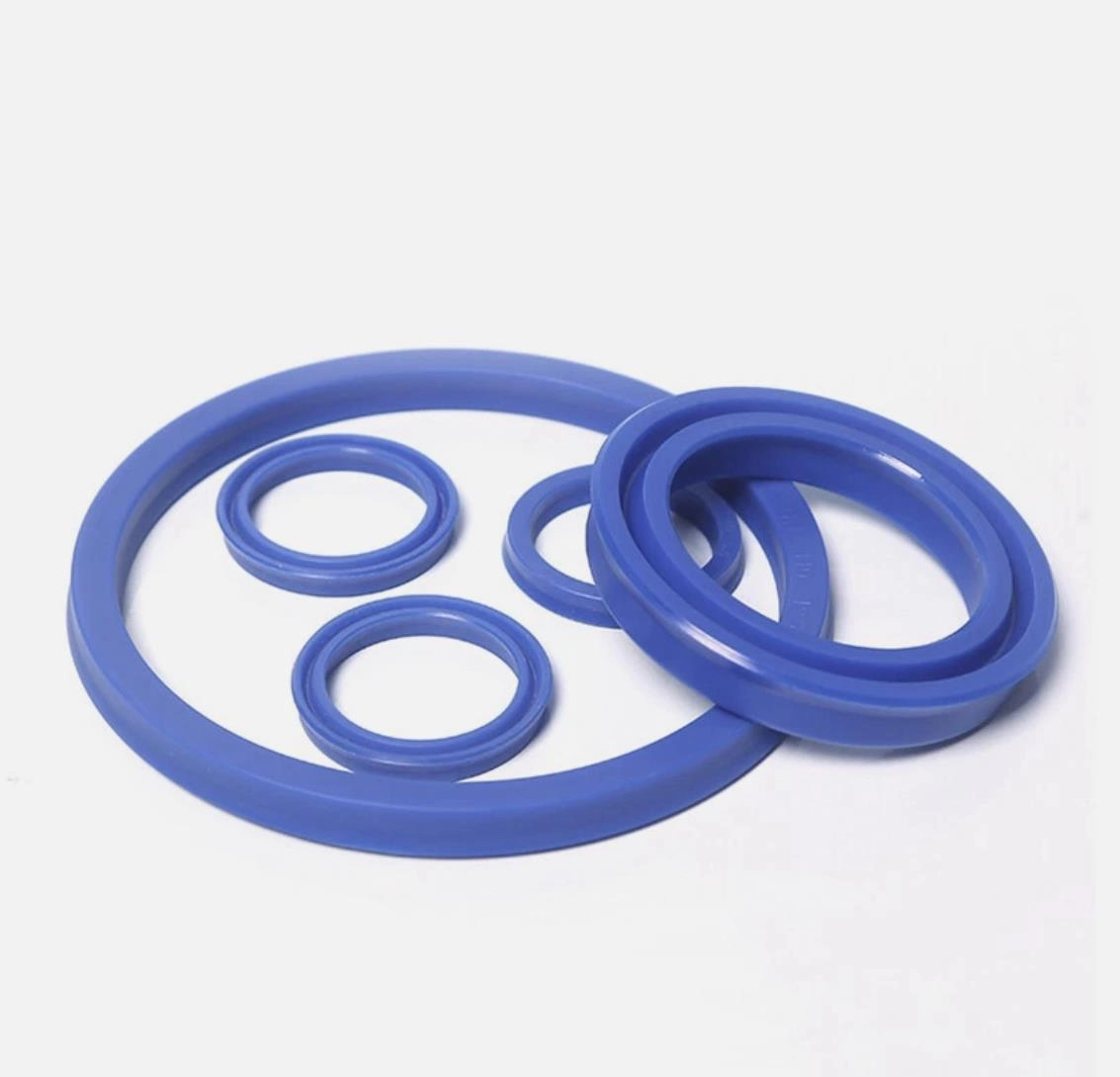
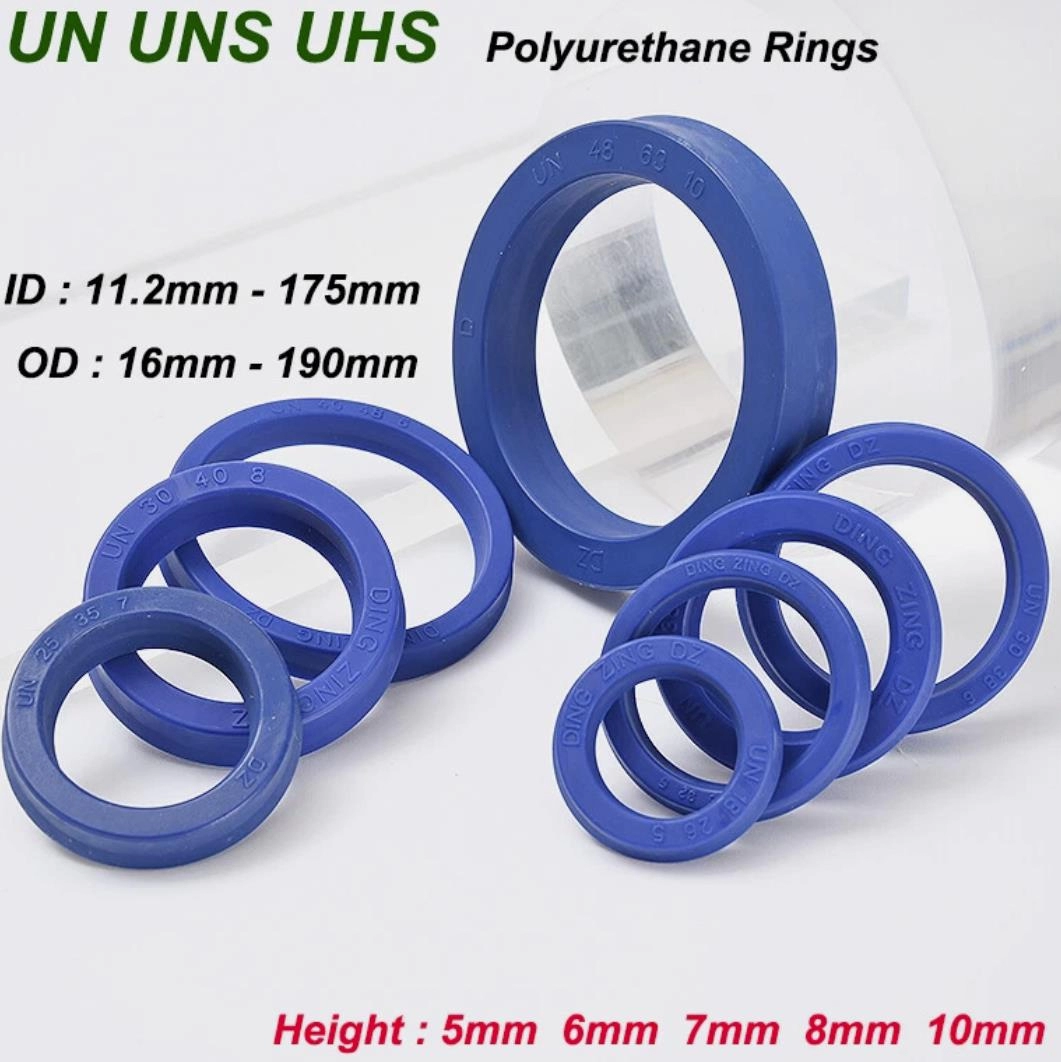
Among the products benefiting from these developments is the UNS Hydraulic Piston Rod Seal PU Equal Lip Seal for Low Pressure Cylinders, a widely used sealing solution that combines practical design with the performance advantages of polyurethane materials.
Today's automotive and hydraulic systems operate under increasingly demanding conditions. Equipment manufacturers are facing several challenges:
· Higher efficiency requirements
· Reduced emissions and fluid leakage
· Longer maintenance intervals
· Increased operating pressures
· More compact equipment designs
· Greater environmental compliance
These factors have accelerated innovation in sealing technology and encouraged the adoption of advanced sealing materials and engineering solutions.
One of the most significant developments in automotive sealing technology is the growing use of polyurethane (PU).
Traditional rubber materials continue to serve many applications, but polyurethane offers a unique combination of elasticity, strength, and wear resistance that makes it increasingly attractive for modern hydraulic systems.
Compared with conventional rubber materials, PU provides:
· Superior abrasion resistance
· Higher tear strength
· Better load-bearing capability
· Longer service life
· Improved dimensional stability
Compared with many engineering plastics, polyurethane delivers excellent impact resistance while maintaining flexibility and sealing effectiveness.
As automotive systems become more demanding, manufacturers are increasingly replacing traditional materials with PU-based sealing solutions to improve reliability and reduce maintenance requirements.
Modern equipment manufacturers increasingly prefer components that can simplify inventory management and reduce assembly complexity.
This trend has increased demand for sealing products capable of performing multiple functions.
The UNS Hydraulic Piston Rod Seal represents a practical example of this approach.
The UNS seal features:
· Wide cross-sectional design
· Asymmetrical U-shaped profile
· Equal-height sealing lips
· Easy installation in monolithic structures
Because both sealing lips share the same height, the seal can be used for both piston and rod applications. This versatility simplifies equipment design and reduces the number of sealing components required in hydraulic systems.
For many hydraulic cylinder manufacturers, multi-purpose seals help streamline production while maintaining dependable sealing performance.
Leakage control has become one of the most important priorities in automotive and hydraulic equipment design.
Even small amounts of fluid leakage can create several issues:
· Reduced hydraulic efficiency
· Increased maintenance costs
· Equipment contamination
· Environmental concerns
· Reduced system reliability
As regulations and customer expectations continue to rise, manufacturers are investing heavily in sealing technologies that deliver improved leakage control.
Rod and piston seals remain among the most critical components in fluid power systems because they prevent hydraulic fluid from escaping the cylinder during operation.
Advanced lip geometries and optimized material formulations are helping modern seals achieve tighter sealing performance while maintaining low friction characteristics.
Reducing downtime is a major objective across automotive and industrial sectors.
Seal replacement often requires equipment shutdowns, labor costs, and production interruptions. Consequently, longer-lasting sealing solutions are becoming increasingly valuable.
Polyurethane has emerged as a preferred material due to its exceptional wear characteristics.
The material's resistance to abrasion allows seals to maintain performance even after extensive operating cycles.
Applications benefiting from polyurethane include:
· Hydraulic cylinders
· Steering systems
· Material handling equipment
· Construction machinery
· Industrial automation systems
This trend toward durability is expected to continue as manufacturers focus on reducing total ownership costs throughout equipment lifecycles.
Weight reduction remains an important objective in both automotive and industrial equipment design.
Polyurethane contributes to this trend by providing a lightweight alternative to many traditional materials.
In addition to seals, PU has successfully replaced metal components in applications such as:
· Sleeve bearings
· Wear plates
· Conveyor rollers
· Guide rollers
· Various wear-resistant parts
These substitutions often result in:
· Reduced component weight
· Lower noise levels
· Improved wear performance
· Simplified maintenance
As manufacturers pursue lightweight designs without compromising durability, polyurethane-based solutions continue gaining popularity.
Seal design has become increasingly sophisticated.
Modern engineering tools allow manufacturers to optimize seal profiles for specific operating conditions.
Today's sealing technologies focus on:
Engineers carefully design sealing lips to maintain consistent contact pressure while minimizing friction.
Products such as the UNS seal are designed for easy installation, reducing assembly time and minimizing the risk of installation damage.
Wide cross-section seal designs help distribute loads more effectively, contributing to longer service life and improved sealing efficiency.
Precision manufacturing technologies also ensure tighter tolerances and greater consistency from batch to batch.
Environmental considerations are influencing nearly every area of manufacturing, including sealing technology.
Modern sealing solutions contribute to sustainability goals by:
· Reducing fluid leakage
· Extending component lifespan
· Lowering maintenance frequency
· Minimizing material waste
· Improving energy efficiency
Because leakage can lead to environmental contamination, reliable sealing performance has become an important factor in sustainability initiatives.
Long-lasting polyurethane seals support these goals by reducing replacement frequency and extending equipment service intervals.
Automotive and industrial systems increasingly require specialized sealing solutions.
Instead of relying solely on standard components, manufacturers are developing application-specific seals tailored for:
· Temperature ranges
· Pressure levels
· Fluid compatibility
· Motion characteristics
· Environmental exposure
This trend allows equipment designers to achieve better performance while addressing unique operational challenges.
Experienced seal manufacturers can provide customized solutions that match the precise requirements of OEM equipment and aftermarket applications.
As hydraulic systems continue evolving, the demand for reliable and versatile sealing solutions remains strong.
The UNS Hydraulic Piston Rod Seal addresses several important industry requirements:
· Suitable for low-pressure hydraulic cylinders
· Compatible with piston and rod applications
· Easy installation
· Excellent sealing capability
· Durable polyurethane construction
· Strong wear resistance
· Long operational life
Its equal-lip design makes it particularly valuable for manufacturers seeking flexible sealing solutions without increasing component complexity.
Combined with the inherent advantages of polyurethane, the UNS seal continues to be widely used across hydraulic equipment applications.
Automotive sealing technology is moving toward higher durability, better leakage prevention, lighter materials, improved efficiency, and greater design flexibility. Advanced polyurethane materials and optimized seal geometries are playing a central role in this transformation.
Products such as the UNS Hydraulic Piston Rod Seal demonstrate how modern sealing solutions can combine practical design, installation convenience, and long-term performance. As automotive and hydraulic systems become more sophisticated, manufacturers that adopt advanced sealing technologies will be better positioned to improve reliability, reduce maintenance requirements, and enhance overall equipment performance.
At HaO Seal Technology Co.,Ltd, continuous innovation and quality-focused manufacturing help support the growing demand for high-performance sealing solutions across automotive, hydraulic, and industrial applications.