
2026/07/31
A Complete Guide to UN Hydraulic Piston and Rod Seals: Features, Benefits, and Selection Tips


Pumps, valves, and compressors are core components in fluid handling and gas control systems across industries such as manufacturing, energy, chemical processing, HVAC, and water treatment. Although their designs differ, they all rely on one critical element to operate efficiently and safely: reliable sealing. Among the various sealing technologies available, rubber O-rings remain one of the most widely used and trusted solutions.
This article explores how O-ring sealing solutions support the performance of pumps, valves, and compressors, with a practical focus on material selection, operating conditions, standards, and customization options that matter in real-world applications.
A detailed overview of O-ring shapes and configurations can be found here:
https://www.haosealtech.com/O-Ring/o-ring-shape.html
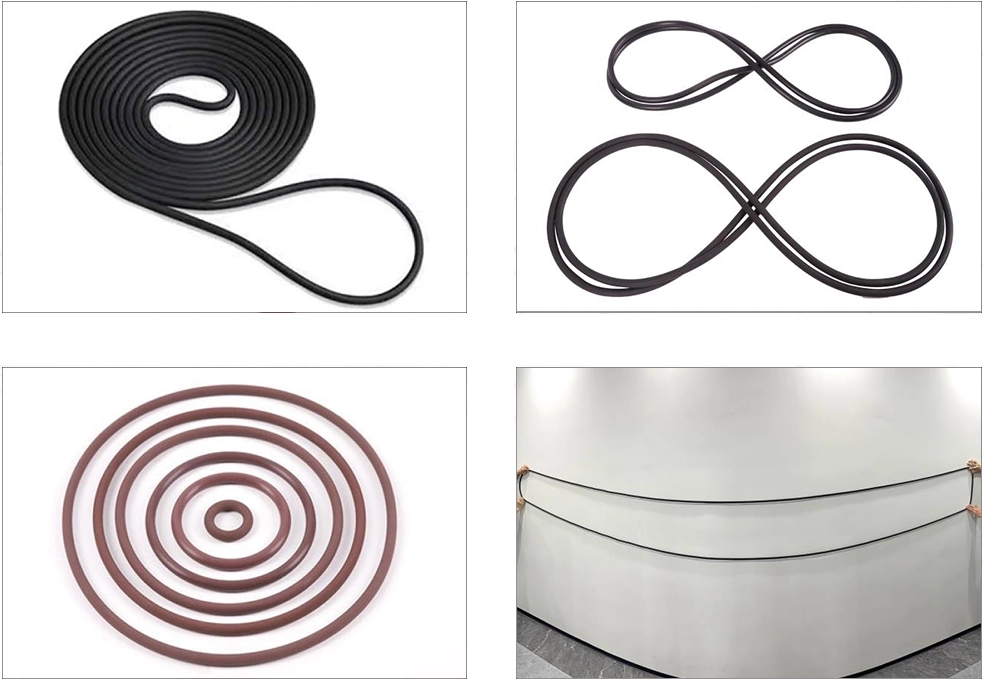
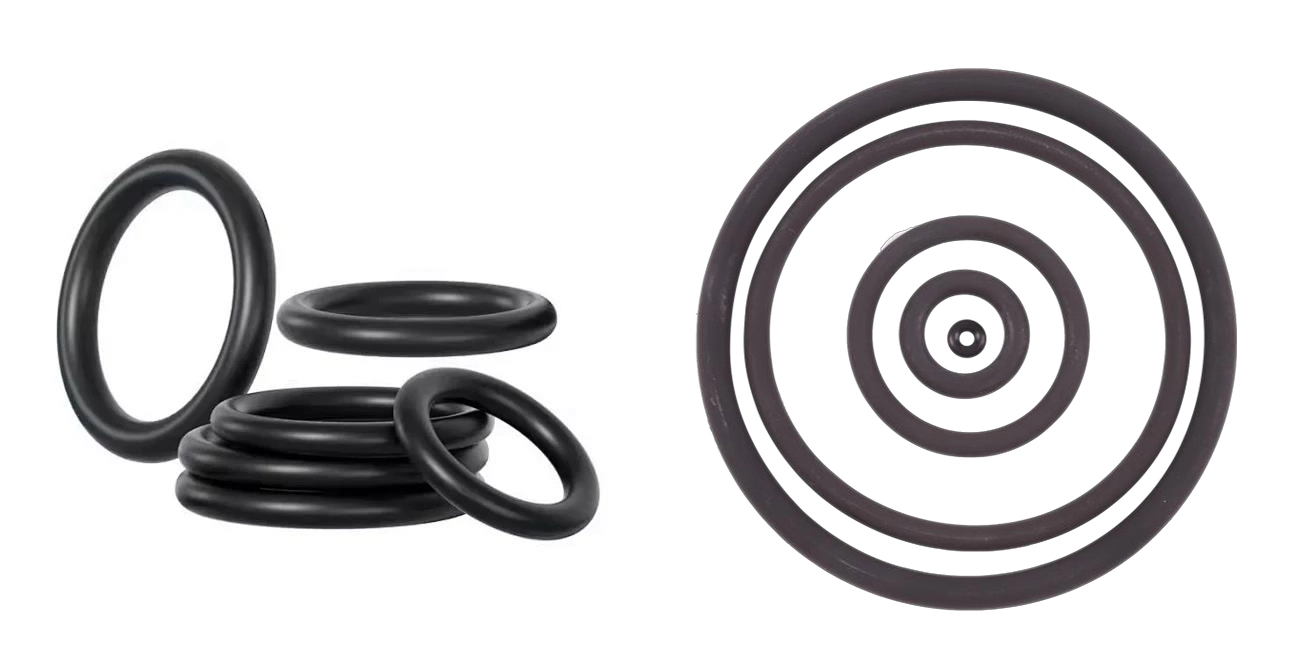
O-rings are circular elastomer seals designed to sit in a groove and deform under compression to create a tight seal between two mating surfaces. Their simple structure, combined with high adaptability, makes them suitable for both static and dynamic sealing.
In pumps, valves, and compressors, O-rings are used to:
Prevent leakage of liquids or gases
Maintain internal pressure
Protect internal components from contamination
Reduce energy losses caused by leakage
Because these systems often operate continuously and under varying pressures and temperatures, seal reliability directly affects efficiency and service life.
Pumps operate by moving fluids through pressure differentials, making effective sealing essential at multiple points in the system.
Housing joints
Shaft and cover interfaces
Inlet and outlet connections
O-rings are frequently used for static sealing in pump housings and covers, as well as in low-speed dynamic applications where movement is limited.
Pump O-rings must resist:
Continuous contact with fluids such as oils, water, or chemicals
Pressure fluctuations
Temperature changes during operation
Material compatibility with the pumped medium is especially important to avoid swelling, hardening, or chemical degradation.
Valves control the flow and direction of fluids or gases, and even small leaks can compromise system performance or safety.
Stem sealing
Body-to-bonnet sealing
Internal flow path isolation
In many valve designs, O-rings are used for both static and dynamic sealing. They must maintain elasticity over long service periods, even with repeated opening and closing cycles.
Valve O-rings must offer:
Stable compression set resistance
Compatibility with the working media
Reliable sealing under intermittent motion
Selecting the correct hardness and elastomer type is critical to achieving consistent valve performance.
Compressors present more demanding sealing conditions due to higher pressures, temperature rise, and often dry or gas-based media.
Elevated operating temperatures
Pressure cycling
Potential exposure to oils, refrigerants, or gases
O-rings used in compressors must retain sealing force under thermal expansion and contraction while resisting gas permeation and aging.
High-performance elastomers are often preferred in these applications to ensure long-term reliability.
Material selection is the foundation of effective O-ring sealing. Modern rubber O-rings are manufactured from a range of elastomers to match different operating environments.
NBR is widely used in pumps, valves, and compressors due to its excellent resistance to oils and fuels. It offers good mechanical strength and wear resistance, making it suitable for general industrial applications.
EPDM is ideal for water, steam, and outdoor applications. It performs well in valves and pumps handling water or non-oil-based fluids and offers excellent resistance to weathering and ozone.
Silicone O-rings provide flexibility over a wide temperature range and are often used in applications requiring thermal stability. They are suitable for both low- and high-temperature conditions but are typically used in less abrasive environments.
FKM is chosen for high-temperature and chemically aggressive applications. It offers strong resistance to oils, fuels, and many chemicals, making it suitable for demanding pump and compressor environments.
FFKM represents the highest level of elastomer performance. It is used in extreme conditions involving aggressive chemicals and very high temperatures where standard materials cannot maintain sealing integrity.
Depending on the selected material, O-rings can operate within a temperature range of -60°C to +320°C.
O-ring hardness typically ranges from 20 to 90 Shore A. Softer compounds provide better conformity and sealing at low pressures, while harder compounds offer improved resistance to extrusion and wear in high-pressure systems.
In pumps and compressors, higher hardness materials are often selected to withstand pressure spikes. In valves, a balanced hardness helps maintain sealing force without excessive friction during movement.
O-rings are available in standardized sizes to ensure global compatibility and ease of replacement. Common standards include:
AS568
ISO 3601
JIS B 2401
In addition to standard sizes, customized O-rings can be produced to meet specific groove designs, non-standard dimensions, or unique operating conditions.
Customization options may include:
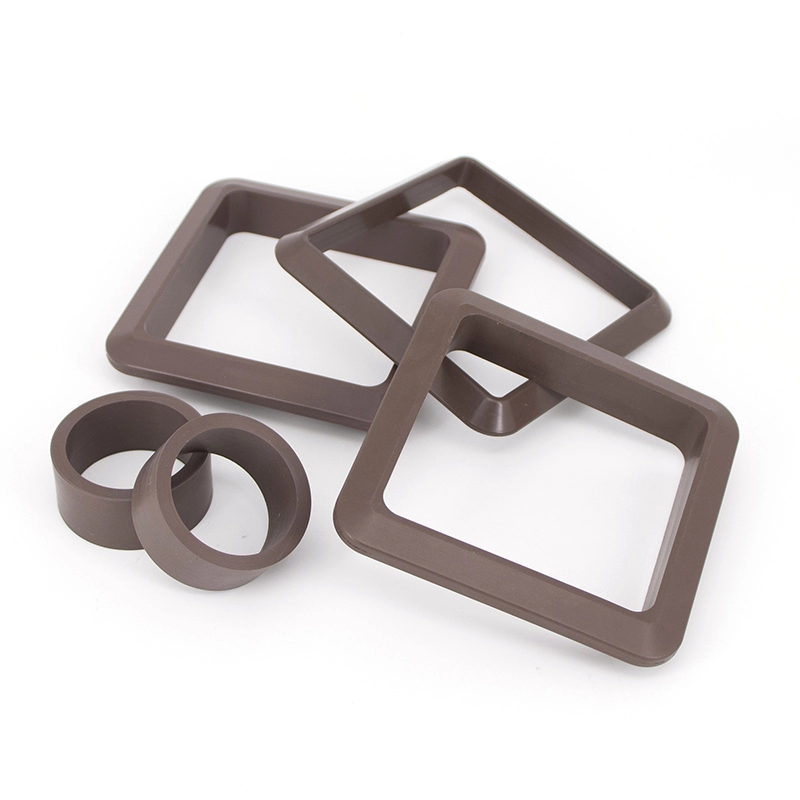
Special cross-sections
Tight dimensional tolerances
Material formulations tailored to specific media
Customized sealing solutions are particularly valuable in specialized pumps, valves, and compressors where standard components cannot meet performance requirements.
High-performance sealing is not achieved by material selection alone. Precision engineering and manufacturing consistency are equally important.
Well-engineered rubber O-rings feature:
Uniform cross-sections
Smooth sealing surfaces
Consistent material properties
Strict quality control ensures that each O-ring performs predictably in service, reducing the risk of leakage and premature failure.
When the right O-ring solution is applied, the benefits extend beyond leak prevention.
Effective sealing leads to:
Improved system efficiency
Reduced maintenance frequency
Lower risk of unplanned downtime
Longer service life for pumps, valves, and compressors
These advantages make O-ring selection a strategic decision rather than a simple component choice.
O-rings play a vital role in the reliable operation of pumps, valves, and compressors. Their ability to adapt to different pressures, temperatures, and media makes them one of the most versatile sealing solutions available.
By carefully selecting the appropriate material, hardness, size, and profile, and by using precision-engineered components, O-ring sealing solutions can significantly improve equipment performance and durability. Whether using standard sizes or customized designs, well-matched rubber O-rings remain a proven and cost-effective choice for fluid and gas control systems across industries.