
2026/03/27
Top Trends in Precision Molded Rubber Components in 2026


Choosing the correct seal profile is one of the most important decisions in sealing system design. While many sealing components may look similar, their performance varies significantly depending on whether they are used in static or dynamic applications. A seal that performs well in a static joint may fail quickly when exposed to movement, pressure cycling, or friction.
This article explains the key differences between static and dynamic sealing, how seal profiles influence performance, and how to select the most suitable sealing solution for real industrial operating conditions.
A full range of rubber sealing products and profiles can be found here:
https://www.haosealtech.com/product/
Before selecting a seal profile, it is essential to clearly define the application.
Static sealing refers to joints where there is no relative movement between the sealing surfaces once the seal is installed. Common examples include:
Flanged connections
Pipe fittings
Valve covers
Static housing joints
In these applications, the seal is compressed and remains stationary throughout its service life.
Dynamic sealing involves relative motion between the seal and the mating surface. This movement can be:
Reciprocating (linear back-and-forth motion)
Rotary (continuous rotation)
Oscillating or intermittent motion
Examples include hydraulic cylinders, pumps, compressors, and rotating shafts.
Dynamic applications place much higher demands on seal profiles due to friction, wear, pressure variation, and alignment issues.
Seal profile determines how contact pressure is distributed, how the seal responds to pressure, and how it behaves under movement. An inappropriate profile can result in:
Excessive friction
Rapid wear
Leakage
Premature failure
Selecting the correct profile helps balance sealing effectiveness, friction control, and durability.
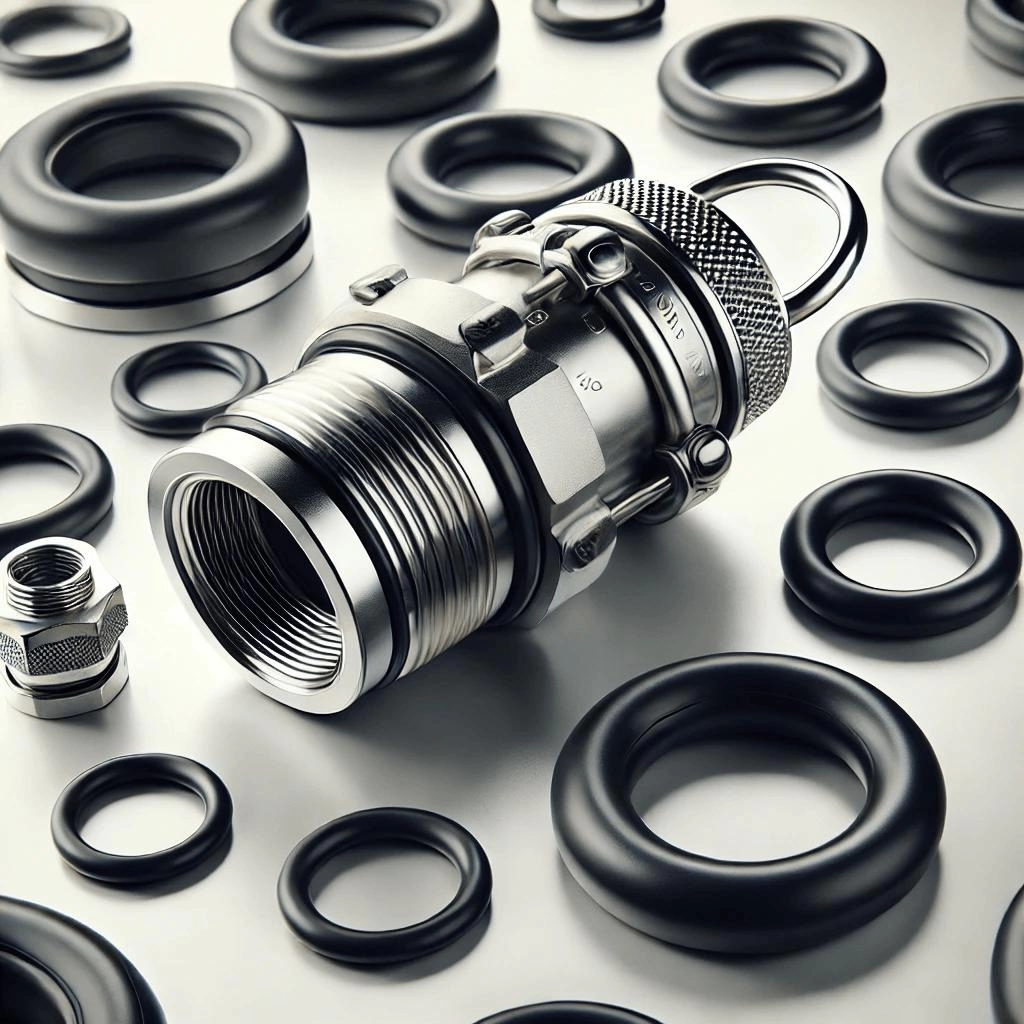
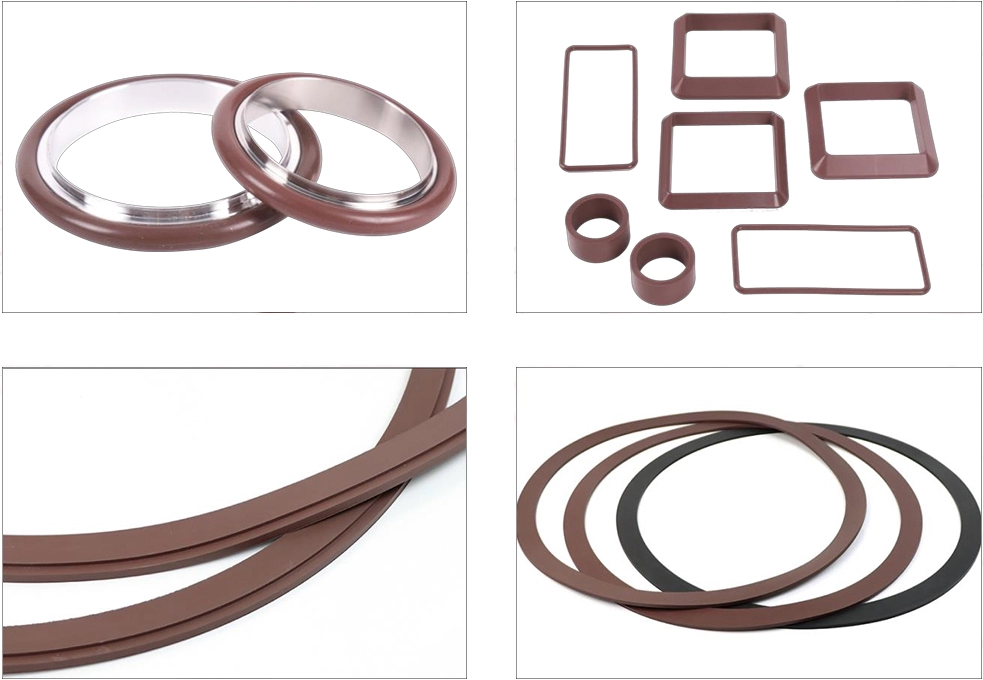
O-rings are among the most commonly used sealing components due to their simple geometry and versatility. They are used in both static and dynamic applications, provided the operating conditions are suitable.
Best suited for:
Static sealing
Low-speed dynamic applications
Moderate pressure and temperature ranges
O-rings rely on elastic deformation to create a seal. In static joints, they perform reliably with minimal wear. In dynamic applications, however, O-rings can be prone to rolling, twisting, and accelerated wear if not properly supported.
X-rings feature a four-lobed cross-section that provides multiple sealing points. This profile improves stability within the groove and reduces the risk of twisting during motion.
Best suited for:
Reciprocating and rotary motion
Applications requiring reduced friction
Systems with pressure cycling
Compared to O-rings, X-rings offer better lubrication retention and more consistent sealing in dynamic environments.
U-rings and other lip-type seals are specifically engineered for dynamic applications. Their geometry allows system pressure to energize the sealing lips, improving sealing performance as pressure increases.
Best suited for:
Hydraulic and pneumatic cylinders
Medium to high-pressure systems
Reciprocating motion
These profiles provide stable sealing under movement and are less sensitive to wear compared to standard O-rings.
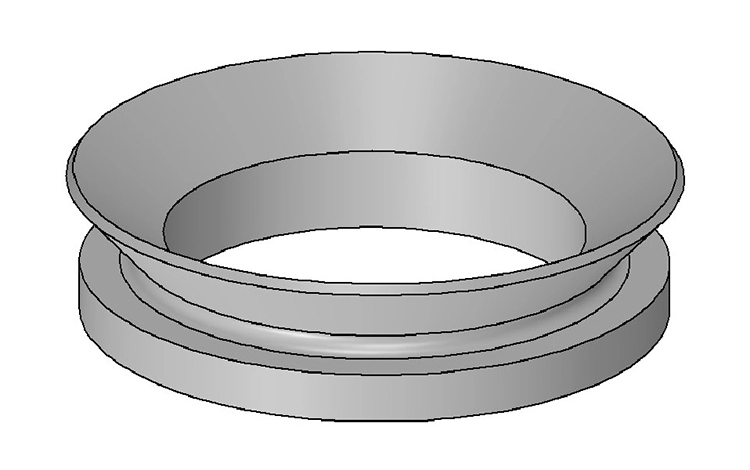
V-rings are axial sealing elements that rotate with the shaft and seal against a stationary counterface. They are often used as protective or secondary seals.
Best suited for:
Rotary shafts
Contamination exclusion
Applications with misalignment or shaft runout
V-rings generate low friction and are effective at keeping contaminants away from critical components.
For static applications, the primary focus is maintaining long-term compression and chemical compatibility.
Important factors include:
Proper groove design and compression ratio
Material resistance to the working media
Temperature stability and compression set
In most static cases, standard O-rings provide reliable sealing when correctly sized and installed.
Dynamic sealing requires additional attention due to movement and friction.
Critical factors include:
Seal profile stability under motion
Surface finish of mating components
Lubrication conditions
Pressure and speed of movement
Dynamic applications often benefit from specialized profiles such as X-rings or U-rings rather than standard O-rings alone.
Regardless of the profile, material choice plays a crucial role in sealing performance.
High-quality rubber sealing components are typically manufactured from elastomers such as:
NBR (Nitrile Rubber): Good resistance to oils and fuels, widely used in hydraulic systems
EPDM: Excellent for water, steam, and outdoor environments
Silicone Rubber: Flexible over a wide temperature range
FKM (Viton®): Suitable for high temperatures and aggressive chemicals
FFKM: Designed for extreme chemical and thermal conditions
These materials offer reliable resistance to oils, fuels, water, chemicals, and heat, making them suitable for both static and dynamic applications when properly selected.
Operating temperature and pressure directly affect seal performance. Depending on the elastomer, rubber seals can operate within a range of -60°C to +320°C.
In dynamic applications, pressure spikes and thermal cycling place additional stress on the seal. Selecting materials and profiles designed for these conditions helps prevent extrusion, hardening, and leakage.
While standard seals cover many applications, customized profiles are often required for optimal performance. Customization may include:
Non-standard cross-sections
Modified lip geometries
Special hardness or compound formulations
Customized sealing solutions are particularly valuable in specialized equipment or when retrofitting existing systems.
High-performance sealing solutions rely on precision manufacturing and strict quality control. Accurate dimensions, consistent material properties, and smooth surface finishes are essential for both static and dynamic sealing reliability.
Precision-engineered rubber O-rings and sealing profiles ensure predictable performance under real operating conditions rather than idealized laboratory environments.
When selecting a seal profile, consider the following:
Is the application static or dynamic
What type of movement is involved, if any
What pressure and temperature ranges are present
What media will the seal contact
Are standard sizes sufficient, or is customization required
Answering these questions early in the design process reduces the risk of leakage and premature failure.
Selecting the right seal profile for static versus dynamic applications is critical to achieving reliable sealing performance and long service life. While O-rings remain a versatile solution for many static and low-demand dynamic applications, more specialized profiles such as X-rings, U-rings, and V-rings offer clear advantages under movement and pressure variation.
By carefully matching seal profile, material, and operating conditions, engineers can improve system reliability, reduce maintenance costs, and ensure consistent performance throughout the equipment life cycle.