
2026/07/15
Why Are Hydraulic V-Ring Seals Essential in Hydraulic Cylinder Systems?


In industrial and commercial equipment, performance losses often come from small, overlooked components rather than major structural failures. Sealing rings are a typical example. Although they occupy very little space, their influence on efficiency, reliability, and service life is significant. A well-designed sealing ring can prevent energy loss, protect internal components, and reduce maintenance frequency, while a poorly selected one can lead to leakage, contamination, and premature system failure.
This article explains how sealing rings contribute to higher equipment efficiency and longer service life, focusing on real operating conditions and practical engineering considerations.
A wide range of rubber sealing products and applications can be found here:
https://www.haosealtech.com/product/
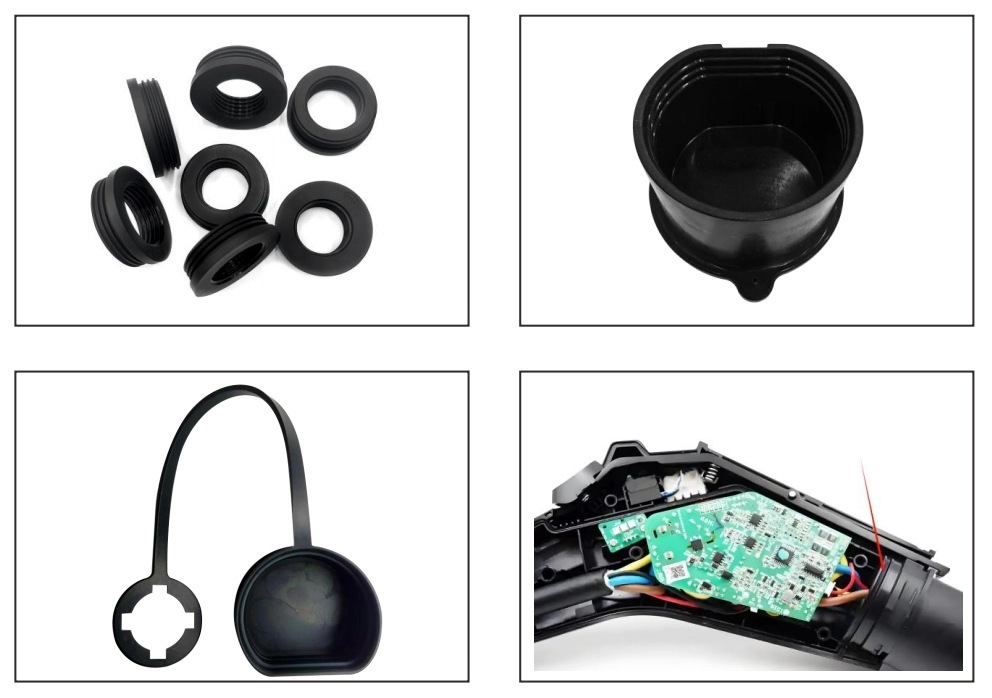
Sealing rings are designed to create a controlled barrier between two mating surfaces. Their primary function is to prevent leakage of fluids or gases and to block external contaminants such as dust, water, and chemicals. In doing so, they help systems operate within their designed parameters.
When a sealing ring performs correctly:
Pressure levels remain stable
Lubricants stay where they are needed
Internal components are protected from contamination
Energy losses caused by leakage are minimized
These factors directly influence both operating efficiency and long-term durability.
One of the most direct ways sealing rings improve efficiency is by preventing fluid or gas leakage. Even minor leakage can lead to measurable losses over time, especially in hydraulic, pneumatic, or fuel systems.
Leakage often results in:
Reduced system pressure
Increased energy consumption to compensate for losses
Inconsistent equipment performance
Precision-engineered rubber O-rings and sealing rings maintain consistent contact pressure and elasticity, ensuring a reliable seal throughout operation. By keeping fluids and gases contained, equipment can operate at optimal efficiency without unnecessary energy input.
In dynamic applications, such as rotating shafts or reciprocating motion, friction plays a key role in energy consumption. Properly designed sealing rings minimize unnecessary friction while still maintaining effective sealing.
Advanced rubber compounds and precise surface finishes help reduce:
Drag on moving components
Heat generation caused by excessive friction
Wear on mating surfaces
Lower friction means less power is required to keep the system running, which directly improves overall energy efficiency.
Sealing rings act as the first line of defense for critical internal components such as bearings, gears, and pistons. By preventing contamination ingress, they significantly reduce internal wear and corrosion.
Contaminants like dust, moisture, and chemicals can:
Damage surface finishes
Degrade lubricants
Accelerate component fatigue
High-quality sealing rings help maintain a clean internal environment, allowing equipment to operate smoothly and consistently over extended periods.
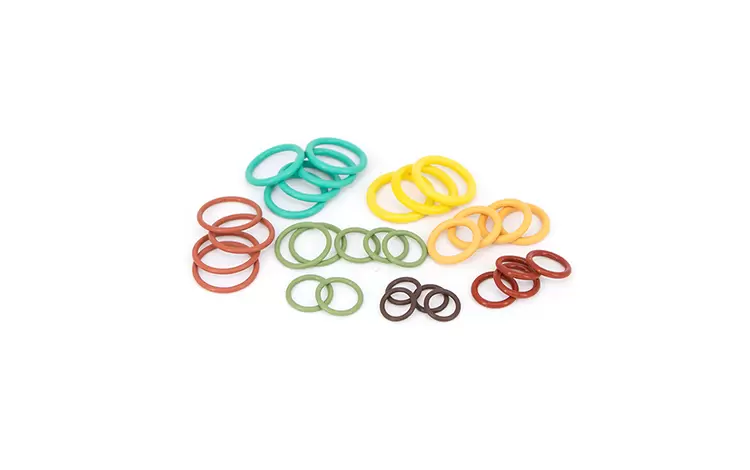
Material choice is one of the most important factors influencing sealing ring performance and longevity. Modern rubber sealing rings are manufactured from a range of elastomers designed to meet specific operating conditions.
Common material options include:
NBR (Nitrile Rubber)
Widely used for oil and fuel-based systems. NBR offers good mechanical strength and wear resistance, making it suitable for hydraulic and pneumatic equipment.
EPDM
Ideal for water, steam, and outdoor applications. EPDM provides excellent resistance to weathering, ozone, and aging.
Silicone Rubber
Known for flexibility across a wide temperature range. Silicone sealing rings are often used where temperature stability and elasticity are critical.
FKM (Viton®)
Designed for high-temperature and chemically aggressive environments. FKM maintains sealing performance where standard materials may fail.
FFKM
Used in extreme conditions involving aggressive chemicals and very high temperatures. FFKM offers the highest level of resistance and durability.
These materials are selected based on real operating environments, ensuring that the sealing ring maintains elasticity and sealing force throughout its service life.
Equipment often operates under fluctuating temperatures and exposure to various fluids or chemicals. Sealing rings must withstand these conditions without losing their sealing properties.
Depending on the elastomer used, rubber sealing rings can operate within a temperature range of -60°C to +320°C. Selecting a material rated for both continuous and peak temperatures prevents issues such as hardening, cracking, or compression set.
Chemical compatibility is equally important. A sealing ring that resists oils but fails in water or chemicals can quickly compromise system efficiency. Matching the sealing material to the working media ensures stable, long-term performance.
Frequent maintenance is often a sign of sealing problems. Leaks, worn seals, and contamination-related failures all increase downtime and maintenance costs.
High-precision sealing rings help:
Extend maintenance intervals
Reduce unexpected failures
Lower overall operating costs
By maintaining system integrity, sealing rings allow equipment to remain in service longer without interruption, directly contributing to higher productivity.
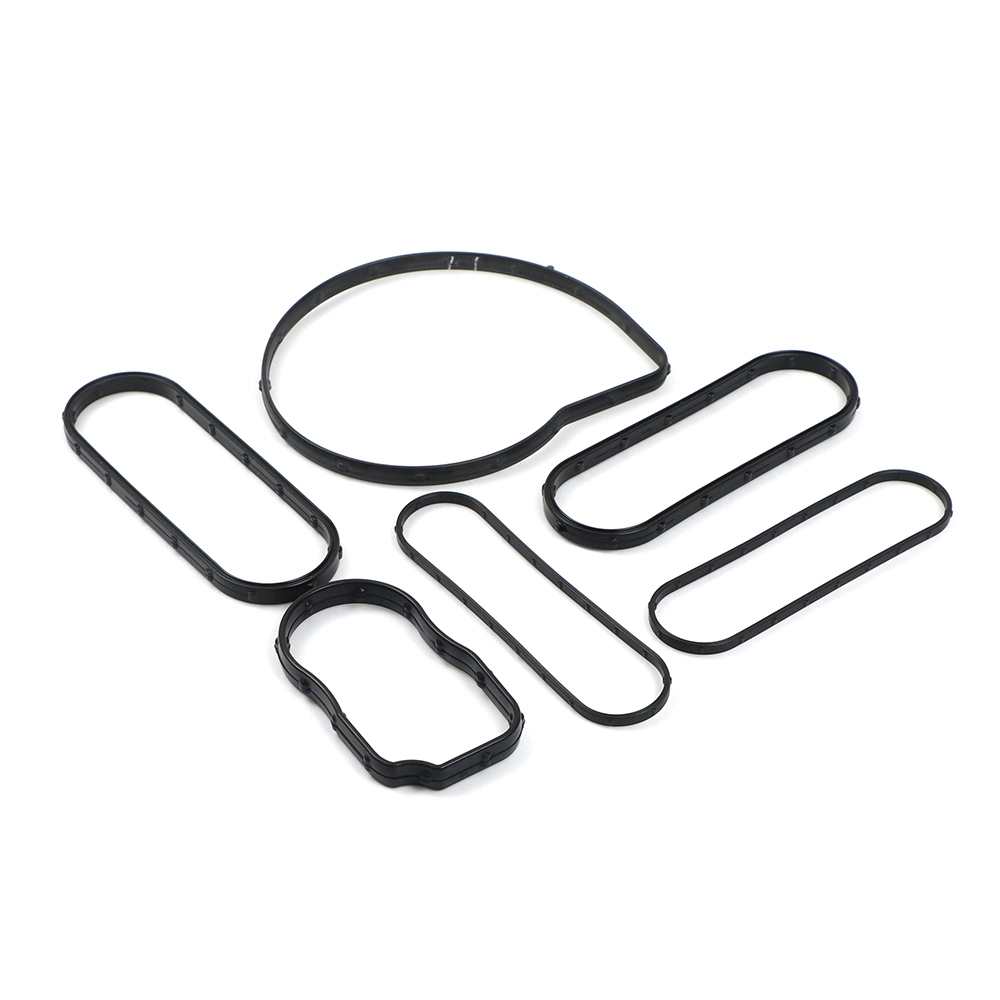
While standard sealing rings cover many applications, custom-designed seals are often required for optimal performance. Customization may involve:
Non-standard dimensions
Specialized cross-sections
Material blends tailored to specific conditions
Customized sealing solutions ensure proper fit and load distribution, which improves sealing effectiveness and reduces localized stress. This approach is especially important in specialized equipment or retrofitting projects.
From pumps and compressors to hydraulic systems and industrial machinery, sealing rings influence the entire equipment life cycle. Effective sealing reduces wear, prevents secondary damage, and helps systems operate as designed.
Over time, the benefits include:
Lower energy consumption
Reduced component replacement frequency
Improved reliability and safety
Longer overall equipment service life
These advantages make sealing rings a strategic component rather than a simple consumable.
Modern sealing rings are produced using controlled compounding, precision molding, and strict quality inspection. Consistent material formulation and dimensional accuracy ensure that each seal performs reliably under real operating conditions.
Precision-engineered rubber O-rings and sealing rings are designed not only to meet specifications but also to deliver stable performance in demanding environments.
Sealing rings play a critical role in improving equipment efficiency and extending service life. By preventing leakage, reducing friction, protecting internal components, and withstanding challenging operating conditions, they contribute directly to reliable and cost-effective equipment operation.
Selecting the right sealing material, ensuring proper design and fit, and using precision-engineered sealing solutions allows equipment to operate more efficiently and last longer. When viewed from a life-cycle perspective, sealing rings are a key factor in achieving long-term performance and operational stability.