
2026/02/26
Selecting the Right Seal Profile for Dynamic vs Static Applications


O-rings and sealing rings are among the most widely used sealing components in industrial and commercial systems. Despite their simple geometry, their performance depends heavily on material selection. Choosing the wrong elastomer can lead to leakage, accelerated wear, chemical attack, or premature failure, while the right material can significantly extend service life and system reliability.
This guide focuses on three of the most commonly used elastomers—NBR, FKM, and EPDM—while also referencing other available options such as Silicone and FFKM. It explains how these materials behave in real operating conditions and how they are applied in practical sealing solutions.
A full range of standard and customized rubber O-rings can be found here:
https://www.haosealtech.com/O-Ring/
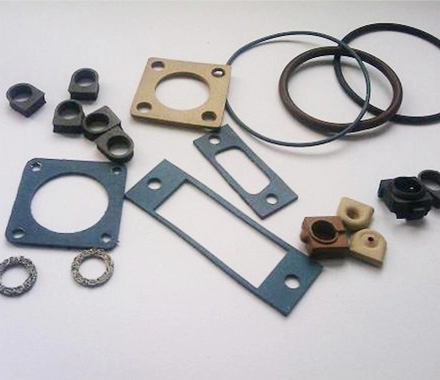
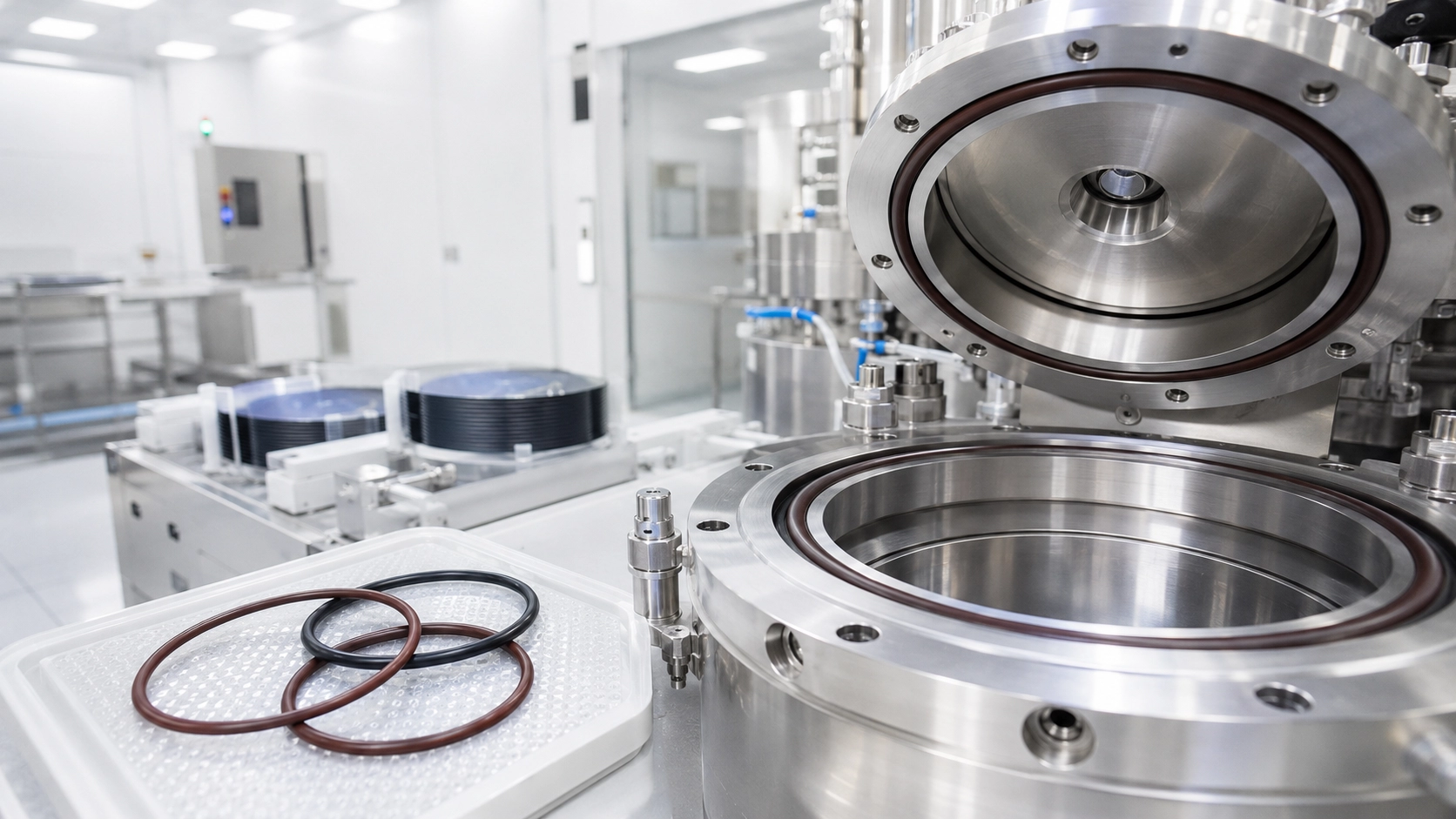
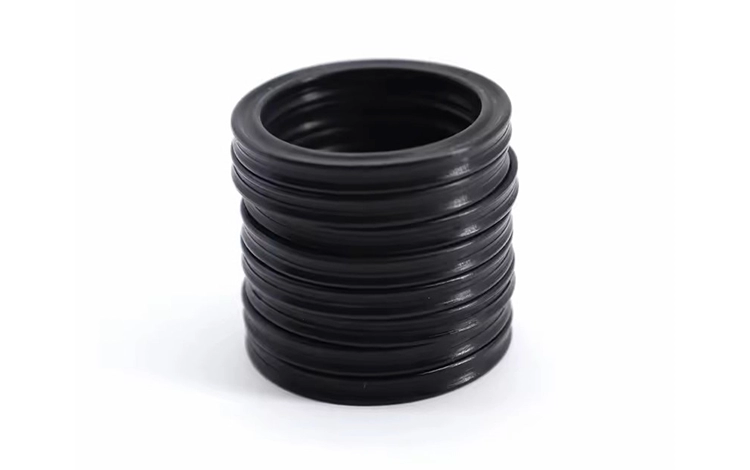
An O-ring functions by deforming elastically to create a seal between two mating surfaces. While design, groove geometry, and installation are important, the material properties ultimately determine how well the seal performs under pressure, temperature, and chemical exposure.
Key factors influenced by material choice include:
Resistance to oils, fuels, water, and chemicals
Operating temperature range
Compression set and long-term elasticity
Wear and abrasion resistance
Compatibility with dynamic or static applications
Understanding material characteristics is essential for selecting an O-ring that performs reliably throughout the life of the equipment.
Modern rubber O-rings are manufactured from a variety of elastomers to meet diverse application requirements. Among them, NBR, FKM, and EPDM account for a large share of industrial usage due to their balanced performance and availability.
Additional materials such as Silicone and FFKM are used when extreme temperature or chemical resistance is required.
NBR, also known as nitrile rubber, is one of the most commonly used O-ring materials in the world.
Excellent resistance to mineral oils, hydraulic fluids, and fuels
Good mechanical strength and abrasion resistance
Stable performance in general industrial environments
NBR is widely used in hydraulic and pneumatic systems, automotive components, pumps, valves, and general machinery.
Hydraulic cylinders and fittings
Fuel systems
Compressors
Industrial machinery
NBR O-rings provide a strong balance between performance and practicality, making them a reliable choice for many oil-based systems.
While versatile, NBR is not suitable for applications involving strong acids, ozone, or prolonged exposure to weathering. For such environments, EPDM or FKM may be more appropriate.
FKM, commonly known by the trade name Viton®, is selected for demanding applications where heat and chemical exposure exceed the limits of standard elastomers.
Outstanding resistance to high temperatures
Excellent compatibility with oils, fuels, solvents, and many chemicals
Low gas permeability and good aging resistance
FKM O-rings maintain sealing integrity in environments where both temperature and chemical exposure are critical factors.
Chemical processing equipment
Automotive engines and fuel systems
Aerospace and aviation components
High-temperature industrial machinery
FKM is often chosen when long-term reliability is more important than initial material cost.
FKM is not recommended for applications involving hot water, steam, or certain alkaline environments. In such cases, EPDM may provide better performance.
EPDM (Ethylene Propylene Diene Monomer) is specifically designed for applications involving water, steam, and outdoor exposure.
Excellent resistance to water, steam, and weathering
Strong ozone and UV resistance
Stable performance in outdoor and environmental applications
EPDM O-rings are widely used where petroleum-based oils are not present.
Water treatment systems
HVAC equipment
Food and beverage processing
Outdoor sealing applications
EPDM performs well in environments where exposure to moisture and temperature cycling is common.
EPDM is not compatible with oils, fuels, or hydrocarbon-based fluids. Using EPDM in oil systems can result in swelling and seal failure.
Silicone O-rings are valued for their flexibility and wide temperature capability. They perform well at both low and high temperatures and are often used in food-grade, medical, and electronic applications. However, their mechanical strength and abrasion resistance are lower than NBR or FKM.
FFKM represents the highest level of elastomer performance. It offers exceptional resistance to aggressive chemicals and extreme temperatures. FFKM O-rings are typically used in highly specialized industrial processes where standard materials cannot survive.
Depending on the elastomer type, rubber O-rings can operate across a broad temperature range, from -60°C to +320°C. However, each material has an optimal working range where elasticity and sealing force are maintained over time.
Selecting a material outside its effective temperature range can lead to hardening, cracking, or loss of sealing force.
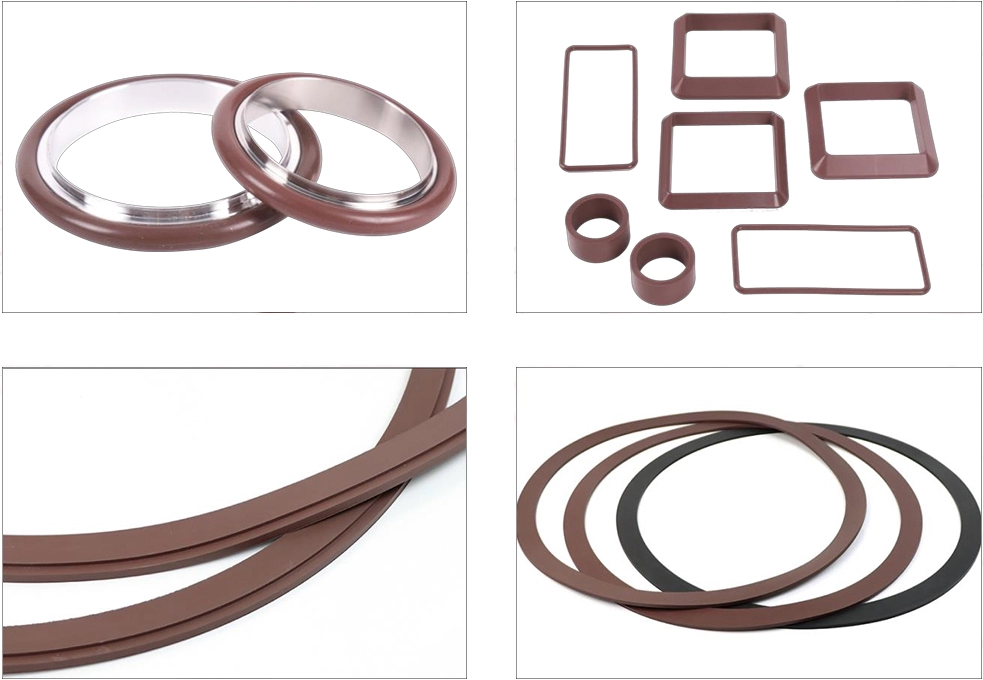
O-rings are available in a wide range of standard sizes and can also be manufactured to custom dimensions. Whether the application requires standard sealing rings or non-standard profiles, precise dimensional control is critical.
Customized O-rings are often used for:
Non-standard groove designs
Specialized equipment
Retrofitting older machinery
Unique pressure or temperature requirements
High-precision manufacturing ensures consistent cross-sections, smooth surfaces, and reliable performance across production batches.
In real industrial environments, O-rings are exposed to combined stresses rather than isolated conditions. Pressure, temperature, chemical exposure, and mechanical movement often occur simultaneously.
This is why material selection should always consider:
The actual working media
Continuous and peak temperatures
Static or dynamic motion
Maintenance intervals and service life expectations
A properly selected O-ring material reduces maintenance costs, minimizes downtime, and improves overall system reliability.
High-quality rubber O-rings are produced through controlled compounding, precision molding, and strict inspection processes. Consistent material formulation and dimensional accuracy are essential to achieving dependable sealing performance.
As part of R&D-driven sealing solutions, precision-engineered O-rings are designed to perform reliably in both standard and customized applications, meeting the practical needs of modern industry rather than theoretical specifications.
NBR, FKM, and EPDM each offer distinct advantages, making them suitable for different sealing environments. NBR excels in oil-based systems, FKM handles high temperatures and aggressive chemicals, and EPDM performs reliably in water, steam, and outdoor applications.
Understanding these material differences is key to selecting the right O-ring or sealing ring for your application. With access to both standard and customized solutions, properly engineered rubber O-rings remain one of the most effective and versatile sealing components in industrial and commercial systems.