
2025/12/26
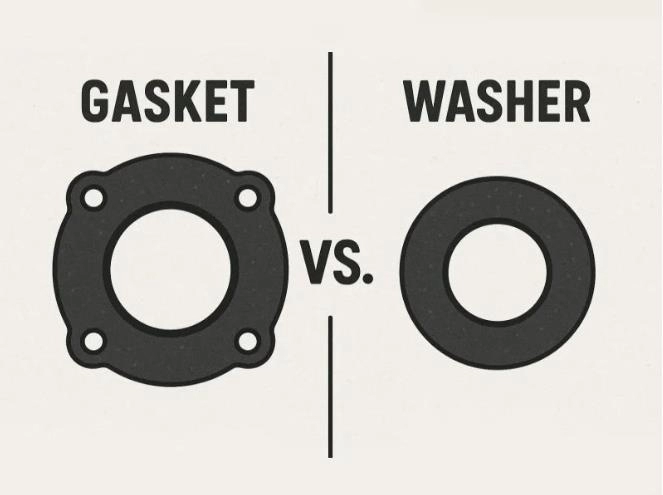
Gasket VS Washer: What’s the Difference?


Automotive seals play a critical role in maintaining the reliability, safety, and efficiency of modern vehicles. From hydraulic systems and steering mechanisms to transmissions and engine components, seals are responsible for preventing fluid leakage, keeping contaminants out, and ensuring stable operation under demanding conditions.
For manufacturers and equipment engineers, understanding how automotive seals are tested for quality and performance is essential when selecting sealing solutions for long-term applications. High-quality seals not only extend equipment lifespan but also reduce maintenance costs and improve overall system reliability.
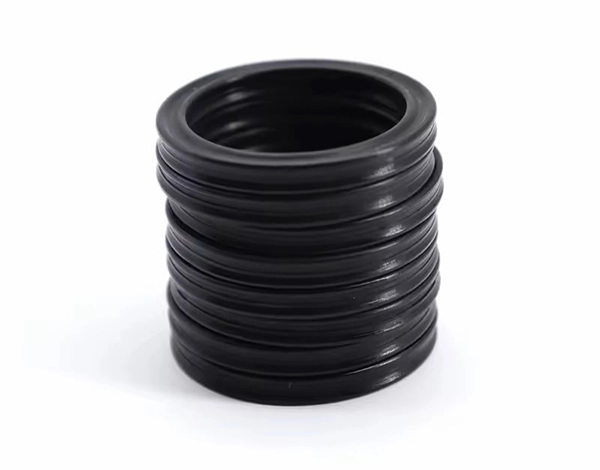
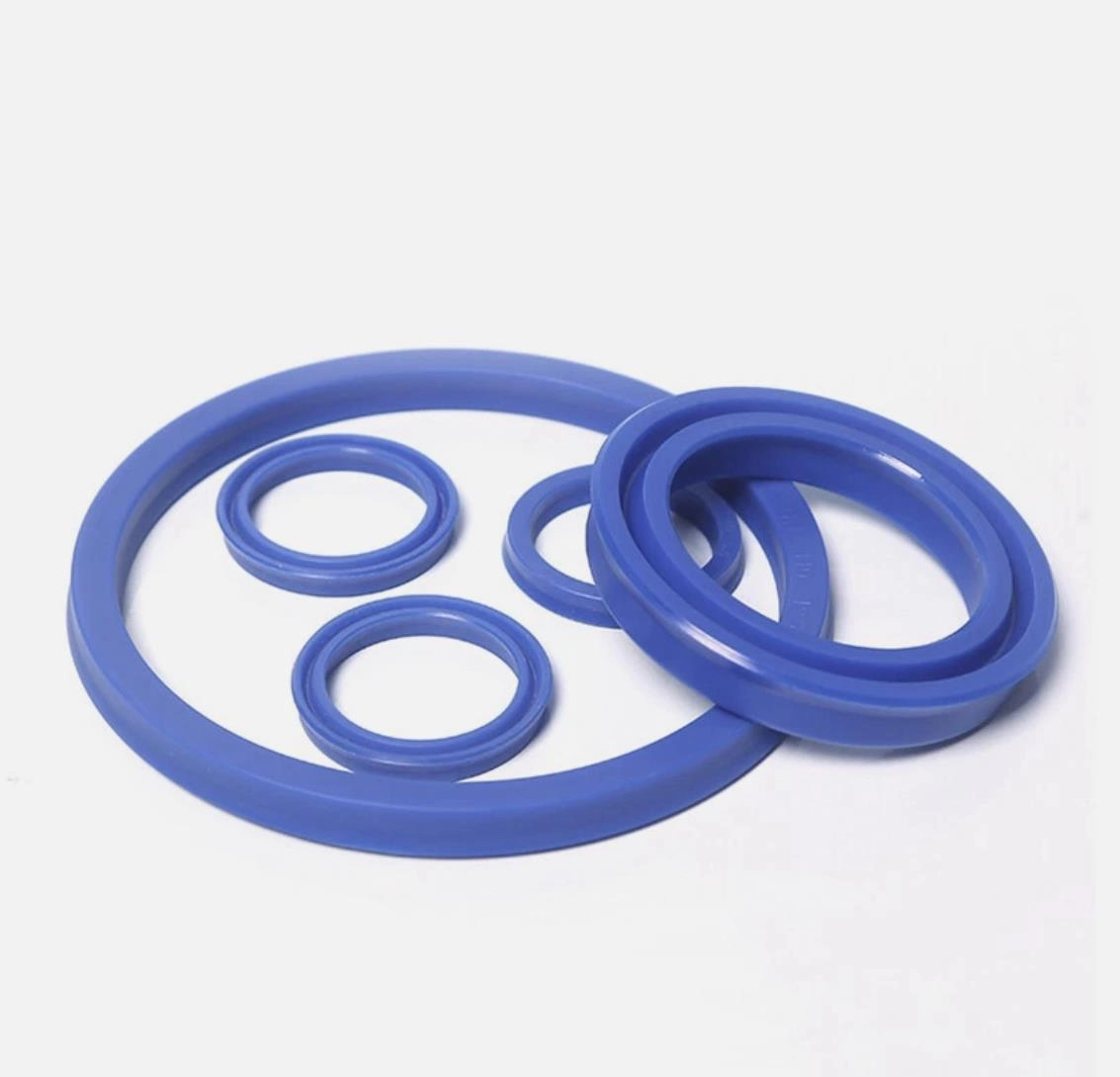
Among the many sealing products used in hydraulic applications, the UNS Hydraulic Piston Rod Seal PU Equal Lip Seal for Low Pressure Cylinders is widely recognized for its dependable sealing performance and durability in low-pressure hydraulic systems.
Automotive seals operate in challenging environments where they are exposed to:
· Constant pressure fluctuations
· High and low temperatures
· Hydraulic oils and lubricants
· Dust, dirt, and moisture
· Continuous mechanical movement
Even a minor seal failure can result in fluid leakage, reduced efficiency, component wear, or unexpected equipment downtime. Therefore, rigorous testing procedures are necessary before seals enter production or are installed in vehicles and industrial equipment.
The first stage of quality control involves dimensional verification.
Manufacturers use precision measuring equipment to confirm that seals meet specified tolerances. Parameters such as:
· Inner diameter
· Outer diameter
· Lip geometry
· Cross-sectional thickness
must comply with design requirements.
For products such as the UNS piston rod seal, maintaining accurate dimensions is especially important because its asymmetrical U-shaped structure directly affects sealing efficiency and installation performance.
Seal performance depends heavily on material quality.
Many high-performance hydraulic seals are manufactured from polyurethane (PU), a material known for combining the flexibility of rubber with the toughness of engineering plastics.
Polyurethane seals undergo testing for:
· Hardness
· Tensile strength
· Elongation
· Tear resistance
· Compression set
Compared with conventional rubber materials, polyurethane offers superior wear resistance and load-bearing capability, making it suitable for demanding automotive and hydraulic applications.
The excellent abrasion resistance of PU allows seals to maintain their integrity even under repeated piston and rod movement.
Pressure testing evaluates a seal's ability to prevent leakage under operating conditions.
During testing, seals are installed in hydraulic cylinders and subjected to various pressure levels. Engineers monitor:
· Leakage rates
· Seal deformation
· Lip stability
· Pressure retention
The UNS Hydraulic Piston Rod Seal is commonly used in low-pressure hydraulic cylinders due to its wide cross-section design and equal sealing lip configuration, which help maintain reliable sealing performance during pressure fluctuations.
Automotive systems often involve continuous reciprocating motion.
To simulate real-world conditions, seals undergo extensive friction and wear testing.
Engineers evaluate:
· Dynamic friction levels
· Surface wear patterns
· Lip degradation
· Seal lifespan
Because polyurethane exhibits excellent wear resistance, PU seals typically demonstrate longer service life compared with traditional rubber alternatives.
Reduced wear contributes directly to lower maintenance requirements and improved equipment reliability.
Vehicles operate across a wide range of environmental conditions.
Seals must continue functioning effectively whether exposed to winter temperatures or heat generated by engines and hydraulic systems.
Temperature testing may include:
· Low-temperature flexibility tests
· High-temperature aging tests
· Thermal cycling evaluations
These tests ensure that the seal material maintains elasticity, sealing force, and dimensional stability throughout its service life.
Automotive seals frequently come into contact with:
· Hydraulic fluids
· Transmission oils
· Engine lubricants
· Coolants
Chemical compatibility testing determines whether prolonged exposure causes:
· Swelling
· Hardening
· Softening
· Cracking
Polyurethane generally provides excellent resistance to many industrial fluids, making it a preferred material in hydraulic sealing applications.
Hydraulic cylinder seals require additional testing due to their critical role in fluid power systems.
The UNS/UN Piston Rod Seal features a wide cross-section and an asymmetrical U-shaped profile with equal-height sealing lips. This design allows the seal to function effectively in both piston and rod applications.
Testing often focuses on:
The seal is evaluated under static and dynamic operating conditions to ensure minimal fluid loss.
Hydraulic cylinders may complete millions of operating cycles during their lifespan. Long-term endurance testing helps verify durability and sealing consistency.
Because UNS seals are designed for monolithic groove structures, installation testing confirms that the seal can be fitted correctly without damage or deformation.
The growing popularity of polyurethane seals is closely linked to their outstanding material properties.
Key advantages include:
PU significantly outperforms many traditional rubber compounds in abrasive environments.
Polyurethane can withstand substantial mechanical loads without excessive deformation.
Compared with many plastics, PU provides better resistance to shock and impact forces.
Longer service life translates into fewer replacements and reduced downtime.
In certain applications, polyurethane components can replace metal parts while maintaining performance requirements.
These characteristics have allowed polyurethane to replace conventional materials in bearings, wear plates, rollers, and numerous industrial sealing applications.
Leading seal manufacturers implement comprehensive quality management systems that combine:
· Raw material inspection
· In-process monitoring
· Laboratory testing
· Finished product validation
· Batch traceability
At HaO Seal Technology Co.,Ltd, strict manufacturing controls help ensure that hydraulic sealing products consistently meet demanding industrial requirements.
Through advanced production processes and extensive testing procedures, manufacturers can deliver sealing solutions that support long-term performance in automotive, hydraulic, and industrial systems.
Automotive seal testing is a comprehensive process that involves dimensional verification, material analysis, pressure testing, wear evaluation, temperature resistance assessment, and chemical compatibility validation. These tests help ensure that seals perform reliably under real-world operating conditions.
Products such as the UNS Hydraulic Piston Rod Seal demonstrate how thoughtful design and high-quality polyurethane materials can deliver dependable sealing performance in low-pressure hydraulic cylinders. By selecting thoroughly tested sealing solutions, equipment manufacturers and maintenance professionals can improve reliability, reduce leakage risks, and extend the operational life of hydraulic systems.
As automotive and industrial equipment continue evolving, rigorous seal testing will remain a key factor in achieving safety, efficiency, and long-term operational success.