
2026/07/20
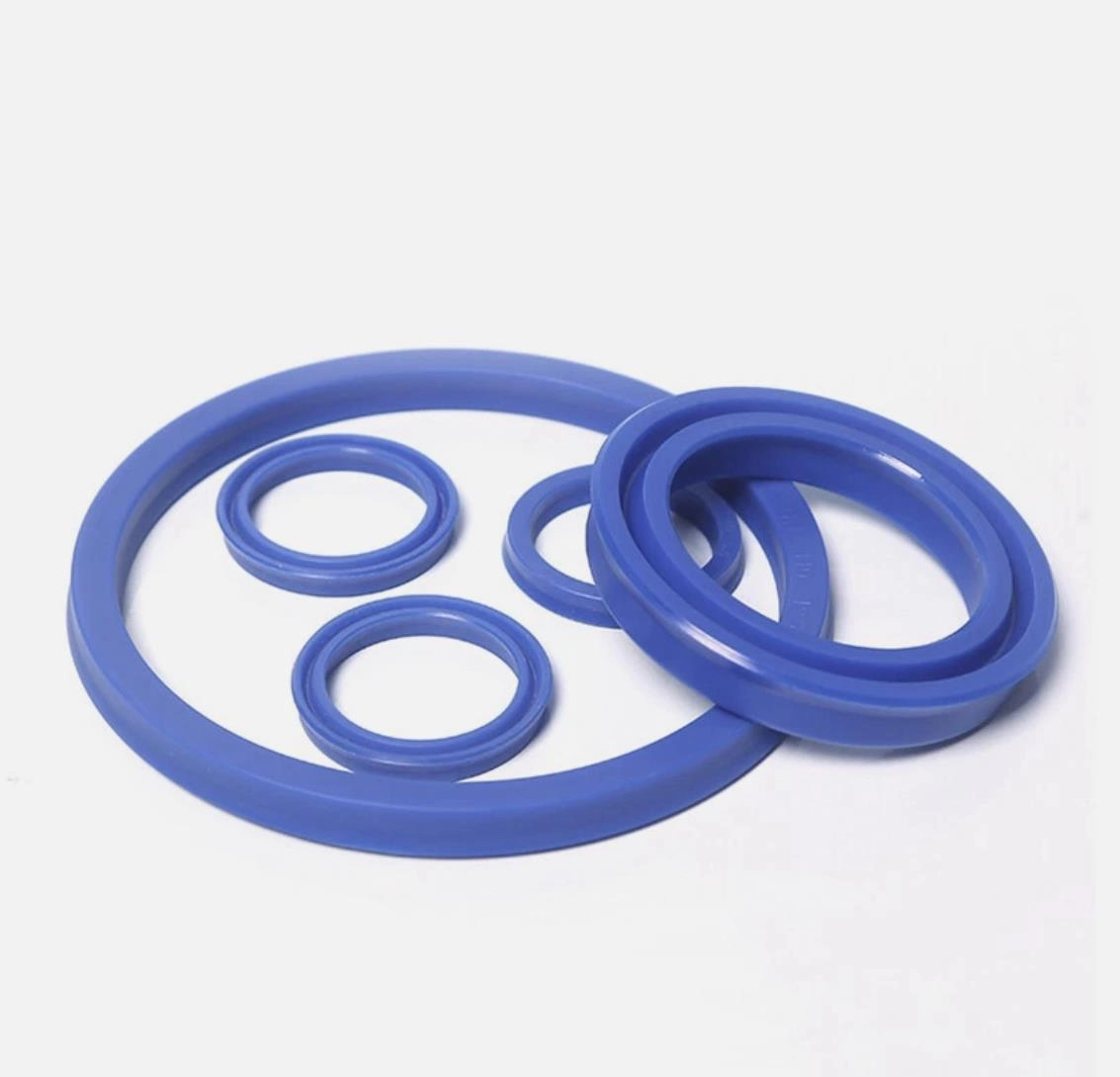
How to Choose the Right UN Hydraulic Seals for Low Pressure Cylinders


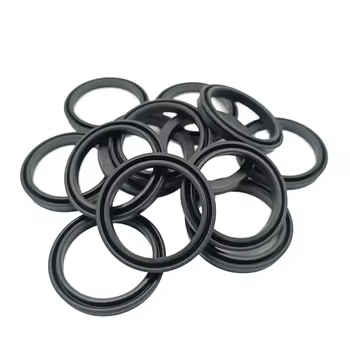
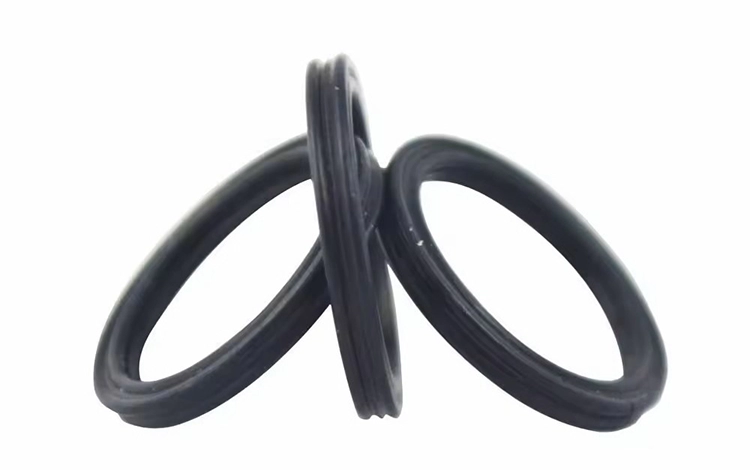
In modern manufacturing, efficiency and reliability are no longer optional—they are essential for staying competitive. While much attention is often given to large equipment and advanced automation systems, smaller components like rubber seals play a critical role in keeping operations running smoothly. Among these, long-life industrial rubber seals have become increasingly important as industries push for higher productivity, reduced downtime, and lower maintenance costs.
This article explores why long-life rubber seals matter, what influences their lifespan, and how businesses can select the right solutions for demanding industrial environments.
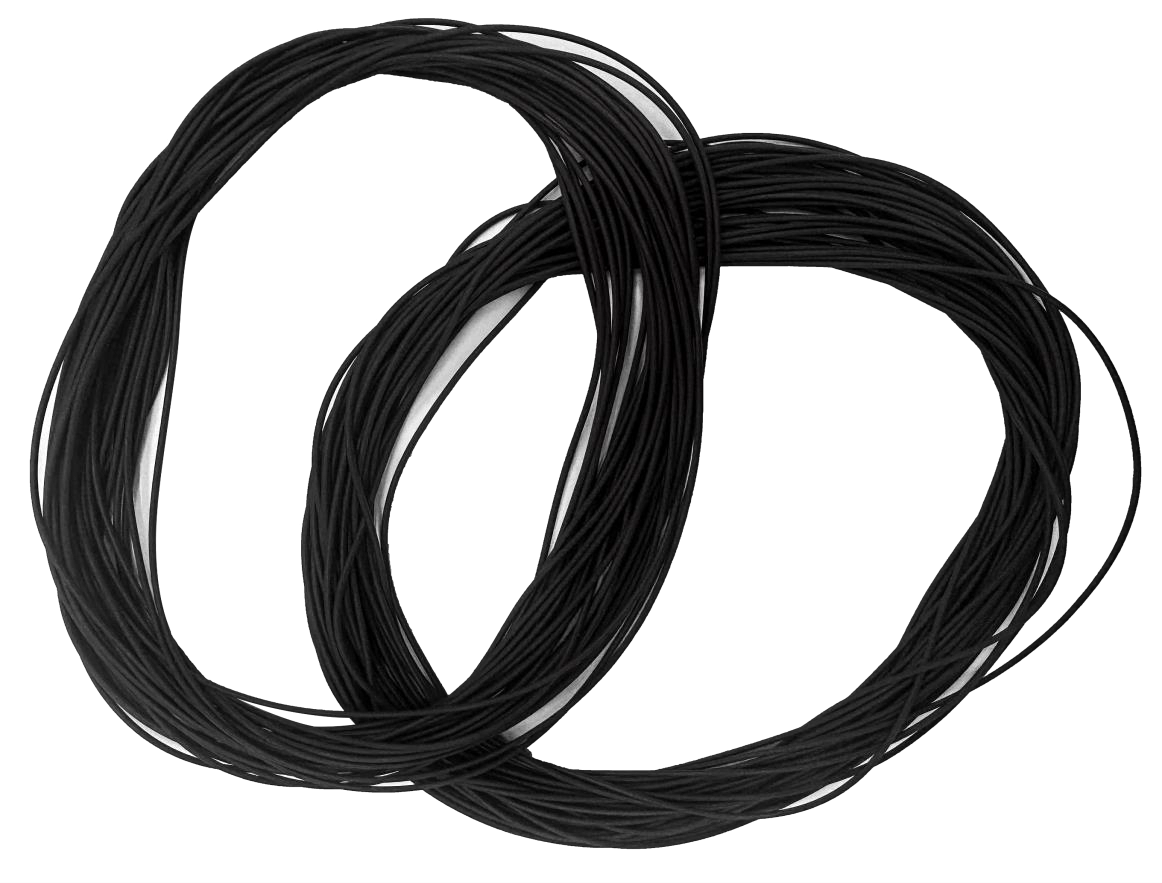
Rubber seals are designed to prevent the leakage of fluids, gases, and contaminants in mechanical systems. They are used in a wide range of equipment, including:
Hydraulic and pneumatic systems
Automotive components
Semiconductor manufacturing equipment
Photovoltaic systems
Medical and sanitary devices
Despite their relatively small size, seals are often the first point of failure in a system. When a seal fails, it can lead to leakage, contamination, equipment damage, and unplanned downtime.
This is why long-life performance is not just a benefit—it is a necessity.
A long-life industrial rubber seal is designed to maintain its performance over extended periods under challenging conditions. This involves several key characteristics:
The seal must resist degradation caused by heat, chemicals, UV exposure, or mechanical stress.
Over time, rubber materials can lose their elasticity. A high-quality seal maintains its shape and sealing force even after prolonged compression.
In dynamic applications, seals must withstand continuous movement without excessive wear.
Exposure to oils, solvents, or gases should not cause swelling, cracking, or material breakdown.
A seal that performs well in these areas can significantly extend maintenance intervals and reduce replacement frequency.
Unplanned downtime is one of the most costly issues in manufacturing. A failed seal can stop an entire production line, leading to lost output and expensive repairs.
Long-life seals reduce the risk of unexpected failure, helping maintain continuous operation.
Frequent seal replacement increases labor costs and requires additional inventory management. By using durable seals, businesses can:
Reduce maintenance frequency
Lower spare parts inventory
Improve overall operational efficiency
Modern equipment operates under increasingly demanding conditions, including:
Higher pressures
More aggressive chemicals
Wider temperature ranges
Standard seals may not be able to withstand these environments. Long-life seals, made from advanced materials, are designed to meet these challenges.
Seal failure can lead to contamination, leakage, or inconsistent system performance. In industries such as semiconductor manufacturing or medical applications, this can have serious consequences.
Reliable, long-life seals help maintain stable operating conditions and ensure consistent product quality.
Choosing the right material is critical. Common options include:
NBR for oil resistance and general applications
FKM for high temperature and chemical resistance
EPDM for water, steam, and outdoor environments
Silicone for extreme temperatures and medical use
HNBR and FFKM for high-performance industrial applications
Each material has its strengths and limitations, and selecting the wrong one can significantly shorten seal life.
A well-designed seal ensures proper compression and contact with mating surfaces. Poor design can lead to:
Uneven stress distribution
Premature wear
Leakage
Precision engineering is essential for achieving long-term performance.
Real-world conditions often differ from theoretical specifications. Factors such as temperature fluctuations, pressure spikes, and chemical exposure can all impact seal longevity.
Understanding these conditions is key to selecting the right solution.
Even with the right material and design, poor manufacturing can compromise performance. High-quality seals require:
Consistent molding processes
Tight dimensional tolerances
Reliable quality control systems
Requires ultra-clean environments and highly stable materials. Seal failure can lead to contamination and costly production losses.
Seals must withstand long-term outdoor exposure, including UV radiation and temperature changes.
Seals are exposed to vibration, heat, and various fluids. Long-life performance is essential for safety and reliability.
High pressure and continuous movement demand durable, wear-resistant seals.
Seals must maintain performance under repeated sterilization and strict hygiene requirements.
Long-life performance is not achieved by material selection alone. It requires continuous improvement in design, manufacturing, and testing.
Guangdong Haoou Sealing Technology Co., Ltd., established in 2010, has positioned itself as a professional sealing solution supplier by focusing on both innovation and practical application. Founded by a team with extensive experience in rubber seal research, development, and manufacturing, the company provides solutions for industries such as photovoltaic equipment, semiconductor systems, inkjet marking, automotive and new energy vehicles, as well as hydraulic, pneumatic, and medical applications.
With a dedicated R&D center, Guangdong Haoou Sealing Technology Co., Ltd. continuously improves its production lines and material performance. This allows the company to deliver sealing solutions that are designed for long-term reliability in real industrial environments.
For businesses looking to enhance equipment performance and reduce maintenance costs, exploring
<a href="https://www.haosealtech.com/product/">long-life industrial rubber sealing solutions</a> can provide practical options tailored to specific applications.
Even the best seal can fail prematurely if not used correctly. Here are some practical recommendations:
Match seal materials to actual operating conditions
Avoid over-compression during installation
Ensure proper surface finish of mating components
Regularly inspect seals for early signs of wear
Work with experienced suppliers during design and selection
These steps can significantly improve seal performance and extend service life.
In modern manufacturing, long-life industrial rubber seals are more than just components—they are essential for ensuring system reliability, reducing downtime, and maintaining product quality.
As industrial systems become more complex and demanding, the need for durable, high-performance sealing solutions will continue to grow. By focusing on material selection, design precision, and manufacturing quality, businesses can achieve better long-term results and lower operational risks.
Partnering with experienced manufacturers like Guangdong Haoou Sealing Technology Co., Ltd. ensures access to advanced sealing technologies and application-driven solutions that meet the evolving needs of modern industry.