
2026/04/07
Understanding the Role of Rubber Gasket Manufacturers in Global Supply Chains


Automotive seals play a decisive role in the efficiency, durability, and safety of modern hydraulic systems. In high-performance machinery, hydraulic cylinders depend on sealing components to maintain pressure stability, prevent fluid leakage, and ensure smooth mechanical motion. Without properly engineered seals, even the most advanced hydraulic system can suffer from reduced output, increased maintenance needs, and premature component failure.
One widely used solution in this field is the UNS Hydraulic Piston Rod Seal PU Equal Lip Seal for Low Pressure Cylinders, which is designed to deliver stable sealing performance in low-pressure hydraulic applications while maintaining installation flexibility and durability.
Modern hydraulic systems demand more than basic sealing. They require materials and structures that can adapt to continuous motion, varying pressure levels, and long operational cycles. This is where advanced automotive seals, especially polyurethane-based designs, significantly improve overall system performance.
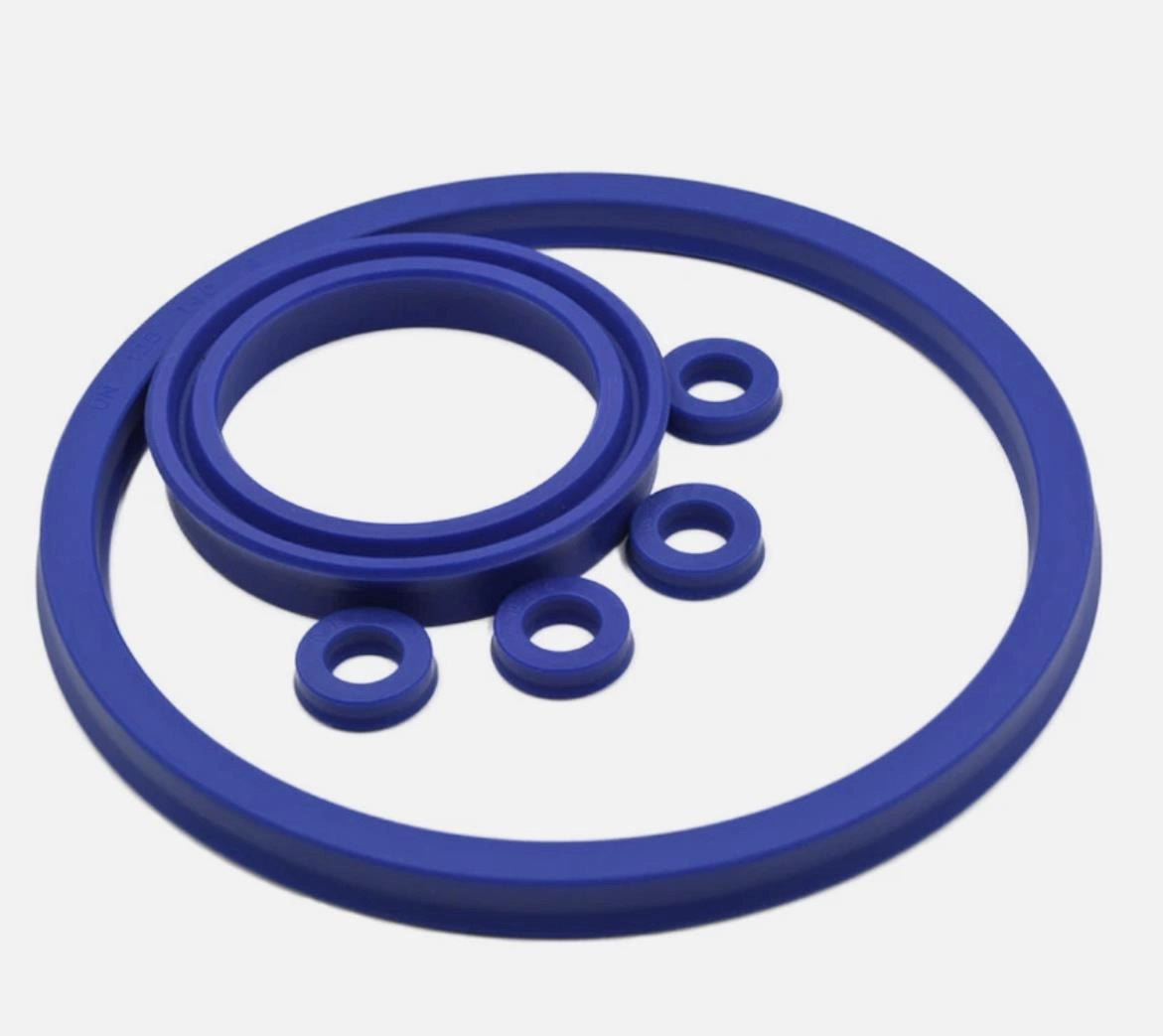
In hydraulic equipment, seals are not just passive components—they are active performance enablers. Rod seals and piston seals are equal-lip sealing elements that can function in both directions of movement. They are among the most critical components in fluid power systems because they prevent internal and external leakage.
When sealing performance is compromised, hydraulic systems can experience:
· Loss of pressure efficiency
· Reduced actuator force
· Increased energy consumption
· Contamination risks
· Environmental fluid leakage
Therefore, selecting the right seal design directly impacts equipment reliability and operational stability.
The UNS sealing profile has been engineered for practical hydraulic applications, especially where low-pressure performance and installation simplicity are required.
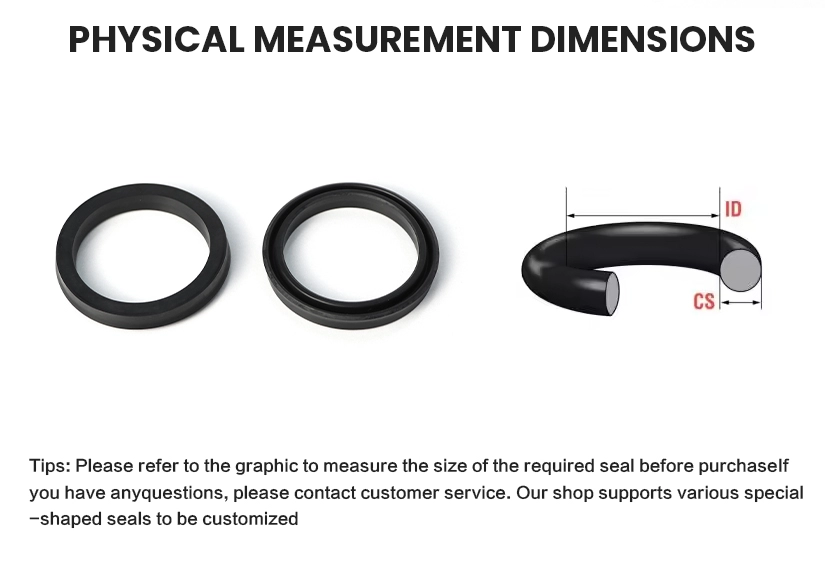
The UNS piston rod seal features:
· A wide cross-sectional structure
· Asymmetrical U-shaped sealing geometry
· Equal height of inner and outer sealing lips
· Compatibility with monolithic groove structures
These structural advantages allow the seal to maintain stable contact pressure while ensuring ease of installation in hydraulic cylinders.
Because both sealing lips are equal in height, the UNS design can be used for both piston and rod applications, reducing the need for multiple seal types in system design. This versatility improves engineering efficiency and simplifies maintenance inventory.
One of the most important advancements in automotive sealing technology is the widespread use of polyurethane (PU).
Polyurethane combines the elasticity of rubber with the strength and durability of engineering plastics. This unique material structure allows it to perform reliably under demanding mechanical conditions.
PU seals offer several advantages:
· High abrasion resistance under continuous motion
· Excellent tear resistance for long service life
· Strong load-bearing capacity under pressure
· Improved dimensional stability during operation
· Resistance to wear compared to traditional rubber materials
Compared with plastics, polyurethane also provides superior impact resistance and flexibility. This makes it suitable for dynamic hydraulic environments where repeated movement and pressure changes are common.
In many industrial applications, polyurethane has also replaced metal components such as:
· Sleeve bearings
· Wear plates
· Conveyor rollers
· Guide rollers
These substitutions offer benefits such as weight reduction, lower noise levels, and improved wear performance.
The UNS hydraulic piston rod seal contributes directly to hydraulic system efficiency through its structural and material advantages.
The equal-lip design ensures stable sealing contact, minimizing fluid leakage from the cylinder. This is essential for maintaining consistent hydraulic pressure and system responsiveness.
Due to its wide cross-section, the UNS seal is particularly effective in low-pressure hydraulic cylinders, where maintaining consistent sealing force is critical.
By preventing leakage and reducing friction-related wear, the seal helps hydraulic systems operate more efficiently, reducing unnecessary energy loss.
PU material significantly extends seal lifespan by resisting wear and deformation, reducing the frequency of replacement and maintenance cycles.
Rod seals and piston seals are often used interchangeably in equal-lip designs. Both serve the essential function of maintaining pressure boundaries within hydraulic cylinders.
Rod seals primarily prevent external leakage where the rod exits the cylinder, while piston seals ensure pressure separation between chambers inside the cylinder.
The UNS design supports both applications due to its symmetrical sealing performance characteristics. This reduces complexity in system design and ensures consistent performance across different hydraulic configurations.
Another key advantage of modern automotive sealing solutions is ease of installation.
The UNS piston rod seal is designed for monolithic groove structures, allowing for:
· Faster assembly during manufacturing
· Reduced risk of installation damage
· Improved alignment within the cylinder
· Simplified maintenance procedures
These benefits are particularly valuable in large-scale industrial production environments where efficiency and consistency are critical.
Polyurethane-based automotive seals are widely used across multiple industries, including:
· Construction machinery
· Agricultural equipment
· Hydraulic presses
· Material handling systems
· Industrial automation equipment
In all these applications, sealing reliability directly affects system productivity and safety.
By combining durability with flexible design, PU seals help manufacturers achieve more stable long-term performance in demanding environments.
At the manufacturing level, sealing performance depends heavily on precision engineering and material consistency.
Companies such as HaO Seal Technology Co.,Ltd focus on controlled production processes to ensure consistent product quality across hydraulic sealing components.
Key manufacturing considerations include:
· Material formulation control
· Dimensional accuracy
· Surface finish quality
· Lip geometry optimization
· Testing under dynamic conditions
These factors ensure that seals can perform reliably in real-world hydraulic systems.
Automotive seals are essential components that directly influence the performance, reliability, and efficiency of modern hydraulic systems. Through advanced materials like polyurethane and optimized designs such as the UNS piston rod seal, hydraulic systems can achieve better sealing performance, reduced leakage, and longer service life.
The UNS Hydraulic Piston Rod Seal demonstrates how thoughtful engineering—combining equal-lip geometry, wide cross-section design, and PU material advantages—can significantly improve hydraulic system operation. As industries continue to demand higher efficiency and durability, advanced sealing technologies will remain a core component of hydraulic innovation.