
2026/08/26
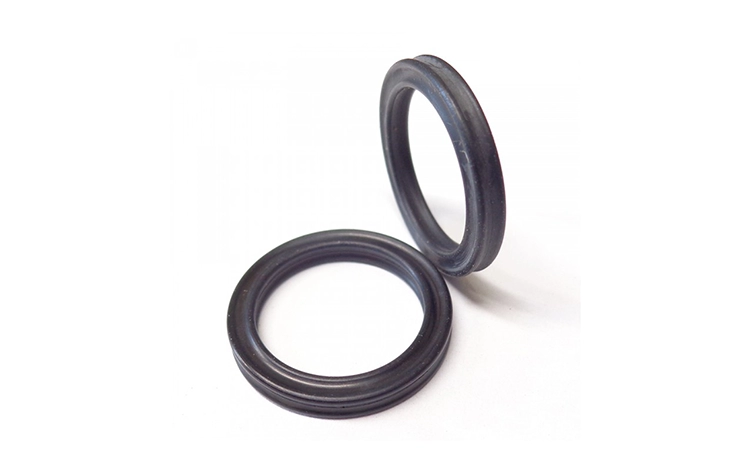
How Do Hydraulic V-Ring Seals Improve Equipment Lifespan and Performance?


When sourcing from a hydraulic V-ring seal manufacturer in China, global buyers need to look beyond basic dimensions and product photos before placing an order. Material compatibility, temperature range, hardness, sealing conditions, applicable standards, customized sizes, and production consistency can all affect the final performance of the seal. Choosing the right hydraulic seal supplier or factory starts with clearly defining the actual operating requirements.
For industrial equipment, a properly specified hydraulic V-ring seal can provide reliable static and dynamic sealing, reduce leakage risks, and support long-term equipment operation. Before ordering, buyers should confirm several key technical and manufacturing details with the supplier.
The first question should not be “What is the unit price?” It should be “What conditions will the seal work under?”
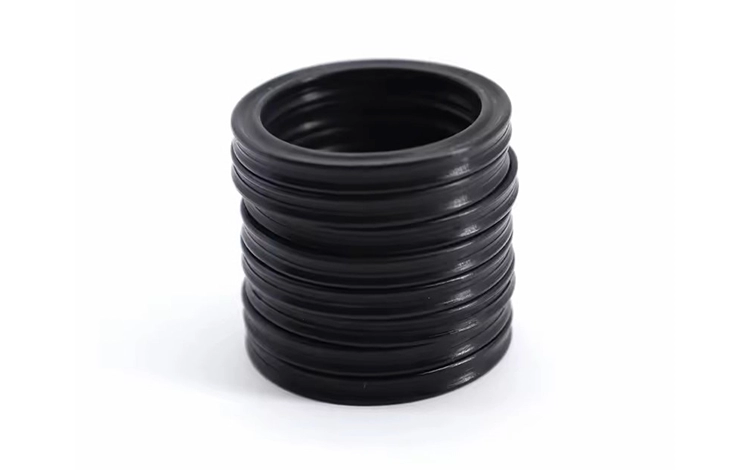
A hydraulic V-ring seal may be installed in cylinders, pumps, valves, machinery, mobile equipment, industrial systems, or other applications where sealing performance is critical. The working environment determines which material, hardness, and dimensions are appropriate.
Before contacting a manufacturer, buyers should prepare information such as:
· Application and equipment type
· Static or dynamic sealing
· Operating pressure
· Operating temperature
· Working medium or hydraulic fluid
· Movement type and speed
· Seal dimensions
· Required material
· Hardness requirement
· Applicable standard
· Estimated order quantity
· Drawing or sample, if available
Providing this information allows the manufacturer to recommend a practical sealing solution instead of simply supplying a standard rubber component.
Material selection is one of the most important points for international buyers. A seal designed for mineral oil does not necessarily perform well with hot water, steam, aggressive chemicals, or other media.
Common material options include NBR, EPDM, Silicone, FKM, and FFKM.
NBR (Nitrile/Buna-N) is widely used for applications involving mineral oils, fuels, and many petroleum-based fluids. It provides a practical combination of sealing performance and resistance for many industrial applications.
EPDM is commonly considered for water, steam, weathering, and certain chemical environments. It should be selected carefully when petroleum-based oils or fuels are involved.
Silicone (VMQ) offers good flexibility and broad temperature capability, making it useful in applications where temperature changes and elastic recovery are important.
FKM/FPM is frequently selected for applications requiring strong resistance to heat, oils, fuels, and many chemicals.
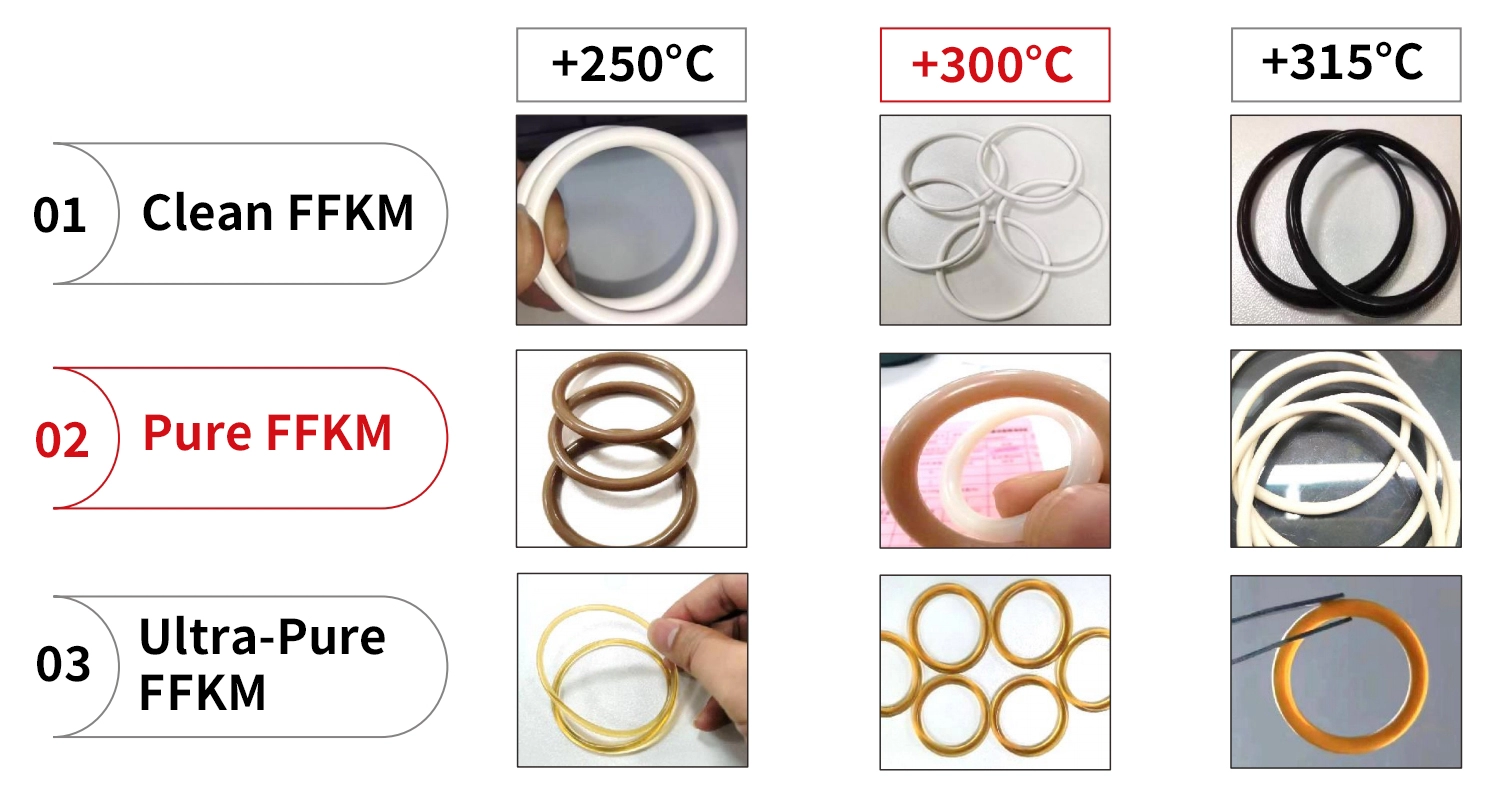
FFKM is intended for more demanding environments where very high chemical and thermal resistance is required.
Depending on the project, other material choices may include:
· Aflas or Kalrez (FFKM)
· Acrylate Rubber (ACM)
· Ethylene-propylene Rubber (EPR/EPDM)
· Fluorocarbon Rubber (FKM/FPM)
· Fluorosilicone Rubber (FVMQ)
· Hydrogenated Nitrile Rubber (HNBR)
· Neoprene Rubber (CR)
· Nitrile Rubber (Buna-N/NBR)
· Polyurethane (PU)
· Silicone Rubber (VMQ)
· Styrene-butadiene Rubber (SBR)
· Polytetrafluoroethylene (PTFE)
For global sourcing projects, it is useful to confirm both the material name and the applicable material specification with the manufacturer. This reduces the possibility of different suppliers interpreting a material description differently.
Temperature should be confirmed before ordering, especially when seals are used in hydraulic equipment operating continuously or intermittently at elevated temperatures.
Depending on the selected compound, rubber sealing products can be used across a temperature range of approximately -60°C to +320°C. However, this is a material-dependent range rather than a universal rating for every seal.
NBR, EPDM, Silicone, FKM, and FFKM have different temperature characteristics. A material suitable for low-temperature flexibility may not be the best choice for high-temperature oil exposure.
Buyers should therefore provide the supplier with the minimum and maximum actual operating temperatures rather than simply stating that the application is “high temperature.”
It is also useful to distinguish between continuous operating temperature and short-term temperature peaks. This information gives the manufacturer a clearer basis for recommending the compound.
Hardness is another specification that should be confirmed before production. Rubber sealing products can be manufactured in approximately 20–90 Shore A, depending on material and application.
The appropriate hardness depends on pressure, clearance, sealing geometry, installation conditions, and movement.
A softer material may provide better conformity in some applications, while a harder compound may offer greater resistance to deformation or extrusion under certain conditions.
For this reason, global buyers should avoid specifying hardness based solely on a previous project. A hardness that worked for one machine may not be suitable for another design.
A professional China hydraulic seal factory should be able to discuss hardness together with material and operating conditions.
International buyers often need seals that conform to recognized dimensional standards. Common standards available for rubber sealing components include AS568, ISO 3601, and JIS B 2401.
Using a recognized standard can simplify replacement and purchasing, particularly for companies operating equipment in multiple countries.
However, not every industrial application can use a standard size. OEM machinery may require a specific cross-section, diameter, or customized geometry.
Therefore, buyers should check whether the supplier can manufacture both standard and customized sizes. A manufacturer that supports custom production can work from technical drawings, samples, dimensions, or application requirements.
This is especially useful when replacing an obsolete seal or sourcing components for equipment with non-standard sealing grooves.
A seal can have the correct material and still fail if its dimensions are inconsistent.
Important dimensions may include inside diameter, outside diameter, cross-section, and other geometry related to the installation. Dimensional consistency also becomes increasingly important when purchasing large quantities for OEM assembly.
When evaluating a hydraulic seal manufacturer, buyers should ask how dimensions are controlled during production and inspection. It is also useful to clarify the required tolerances before manufacturing begins.
For customized orders, the technical drawing should clearly identify critical dimensions and requirements. This helps both sides work from the same specification.
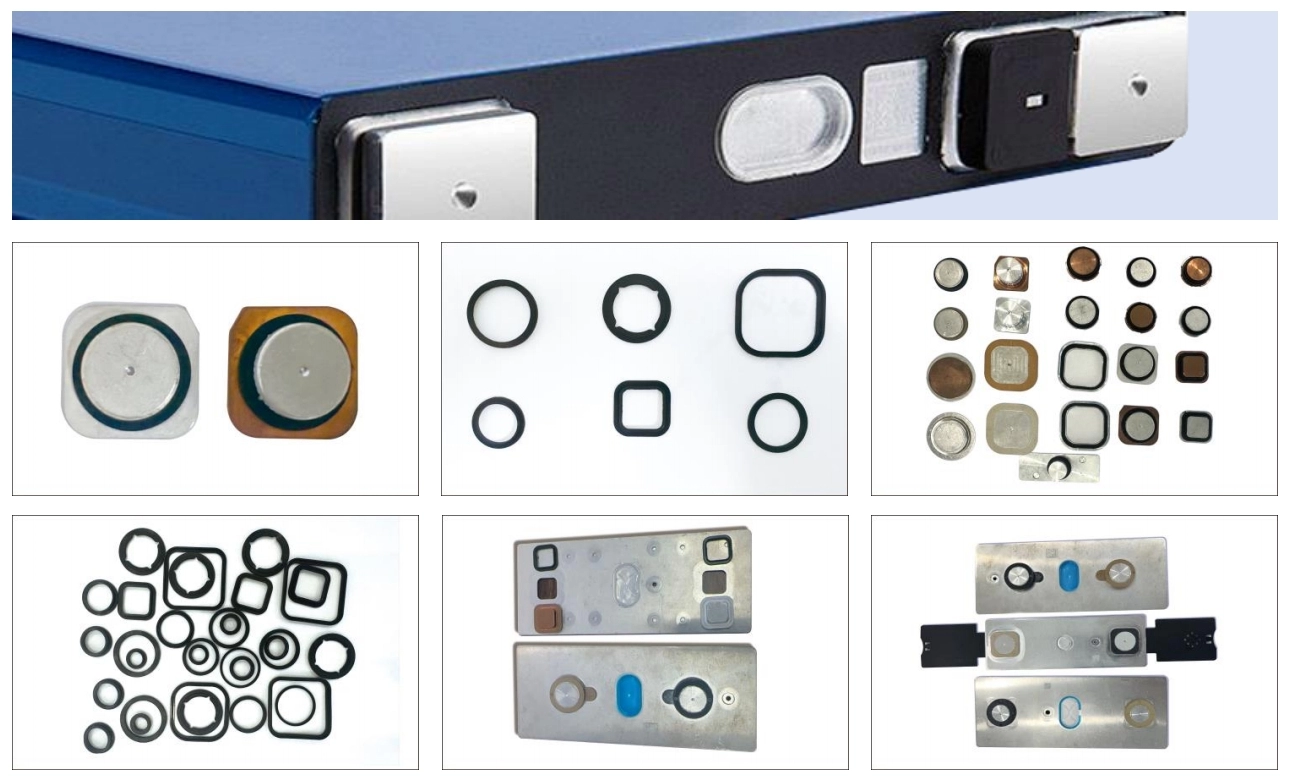
HaO Seal Technology provides standard and customized sealing components for different industrial requirements. Customers can supply drawings, samples, or technical specifications for evaluation.
Global buyers should also tell the manufacturer whether the seal will be used for static or dynamic sealing.
Static sealing means the mating components remain relatively stationary after assembly. In these applications, compression, surface condition, material compatibility, and long-term elasticity are important.
Dynamic sealing involves relative movement between components. Friction, wear, lubrication, movement speed, pressure fluctuations, and extrusion resistance can become more significant.
A supplier should understand these differences before recommending a material or hardness. Simply ordering the same rubber specification for every application can create unnecessary performance problems.
The purpose of a properly selected sealing component is to maintain effective contact during actual operation and prevent leakage throughout the intended service period.
For buyers handling different equipment projects, having multiple material and size options from one supplier can simplify sourcing.
HaO Seal Technology Co.,Ltd provides precision-engineered rubber sealing components for industrial and commercial applications. Its material options include NBR, EPDM, Silicone, FKM, and FFKM, as well as ACM, EPR, FVMQ, HNBR, CR, PU, SBR, and PTFE.
The products can be specified with hardness from approximately 20–90 Shore A, while material-dependent temperature capability can range from approximately -60°C to +320°C.
Standard options include AS568, ISO 3601, and JIS B 2401, while customized sizes are also available for equipment-specific requirements.
These options allow buyers to source both standard replacement components and customized sealing solutions according to the actual application.
For companies purchasing from a China O-ring factory or wholesale seal supplier, having multiple material choices can also make it easier to standardize sourcing across different equipment and operating environments.
For a new sealing application, sample evaluation can be useful before committing to a larger production order.
A sample can be checked for dimensions, hardness, material suitability, installation fit, and initial sealing performance. For OEM projects, buyers can compare the sample with the existing component or test it under representative operating conditions.
This is particularly valuable when the application involves high temperatures, aggressive chemicals, repeated movement, or demanding hydraulic conditions.
Once the specification has been confirmed, the approved sample, drawing, material, hardness, and dimensional requirements should be clearly documented for future production batches.
Before placing an order with a hydraulic V-ring seal manufacturer, buyers should make sure the final specification is clear on both sides.
A practical purchase specification can include:
Product: Hydraulic V-Ring Seal
Material: NBR / EPDM / Silicone / FKM / FFKM / other specified compound
Hardness: 20–90 Shore A as required
Temperature: Application-specific range
Size: Standard or customized dimensions
Standard: AS568 / ISO 3601 / JIS B 2401 where applicable
Application: Static or dynamic
Working medium: Hydraulic oil, water, chemical medium, etc.
Drawing: Required for customized dimensions
Sample: Recommended for new applications
This information reduces ambiguity and gives the manufacturer a clear production reference.
For global buyers, the right supplier should be able to combine material selection, dimensional consistency, standard products, and customized manufacturing.
HaO Seal Technology Co.,Ltd provides rubber sealing components designed for static and dynamic applications across industrial and commercial equipment. With options including NBR, EPDM, Silicone, FKM, FFKM, HNBR, ACM, CR, PU, FVMQ, SBR, and PTFE, the product range can address different fluid, temperature, and application requirements.
The company supports AS568, ISO 3601, JIS B 2401, and customized sizes, with hardness options from 20–90 Shore A and material-dependent temperature capability from approximately -60°C to +320°C.
For customers looking for a China manufacturer, factory, or supplier, the combination of standard specifications and customized production provides flexibility for replacement parts, OEM equipment, and specialized industrial sealing projects.
Before ordering hydraulic V-ring seals, global buyers should confirm more than the basic product dimensions. Material compatibility, temperature, hardness, sealing type, applicable standards, dimensional requirements, and production specifications all influence the final result.
A reliable manufacturer should be able to provide suitable material options, support recognized standards, manufacture customized sizes, and communicate clearly about the actual operating environment.
By preparing complete technical information before requesting a quotation, buyers can make supplier communication more efficient and reduce the risk of receiving a seal that does not match the equipment. For standard or customized requirements, industrial rubber sealing solutions from HaO Seal Technology can be specified according to the application, helping customers address different static and dynamic sealing requirements.