
2026/07/24
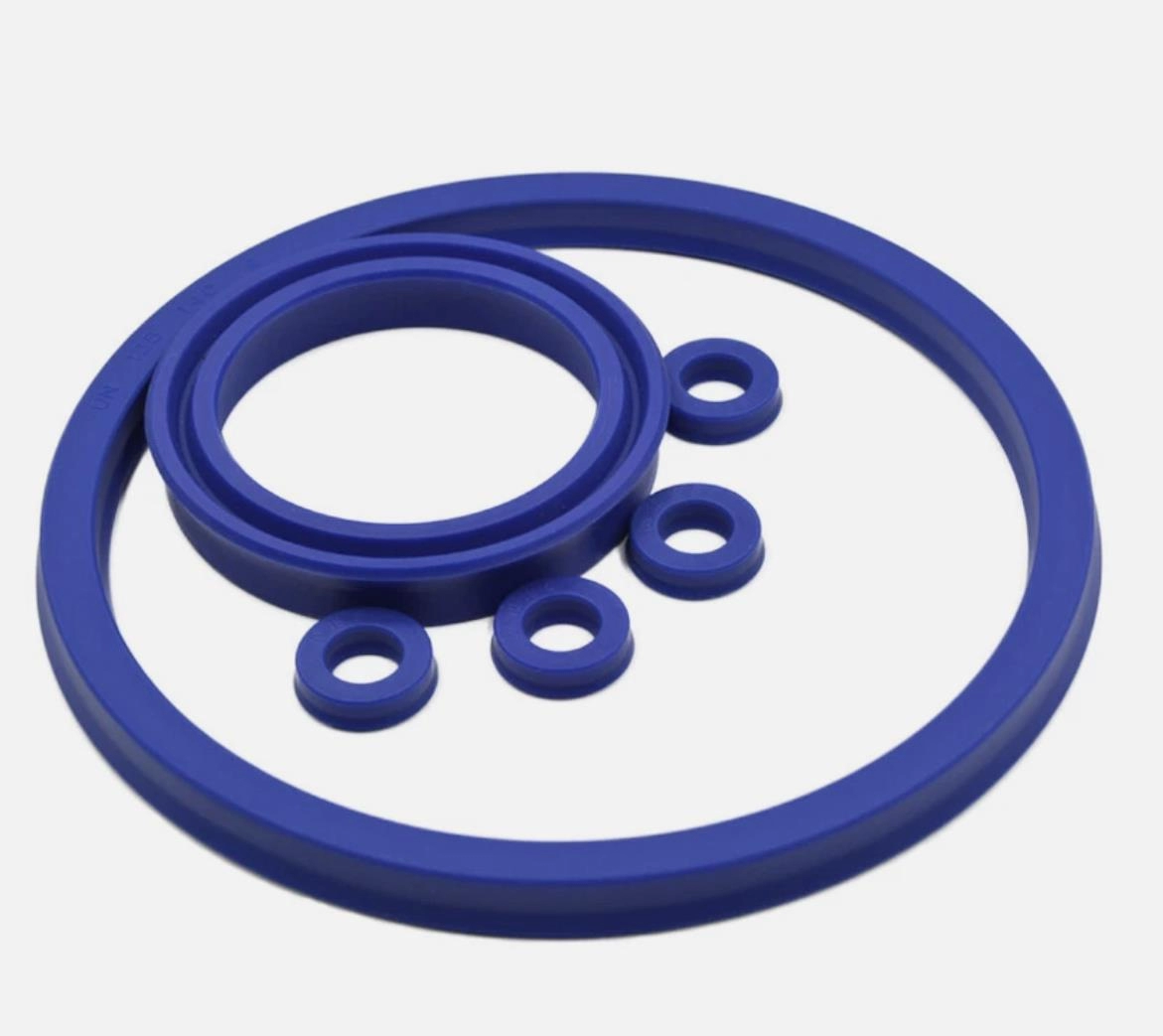
Why PU Equal Lip UN Hydraulic Seals Improve Cylinder Sealing Performance


Choosing the right O-ring material is one of the most important decisions when sourcing sealing components from an O-ring manufacturer in China. NBR, EPDM, Silicone, FKM, FFKM, and other elastomers can have very different resistance to oils, fuels, water, chemicals, temperature, and mechanical stress. Selecting a material based only on size or general-purpose use can lead to swelling, hardening, cracking, leakage, or premature seal failure.
For industrial buyers, the correct approach is to start with the actual application. What fluid will contact the seal? What temperature will it experience? Is the O-ring static or dynamic? What pressure, movement, and installation conditions are involved? These factors provide the foundation for choosing a reliable O-ring supplier or factory and specifying the right material.

An O-ring may look like a simple rubber ring, but its performance depends heavily on the elastomer compound. Before ordering, buyers should identify the main operating conditions rather than simply asking for a “standard rubber O-ring.”
The most useful information includes:
· Working medium or fluid
· Minimum and maximum temperature
· Operating pressure
· Static or dynamic sealing
· Movement speed and frequency
· Exposure to chemicals, oils, or fuels
· Outdoor weather or ozone exposure
· Required hardness
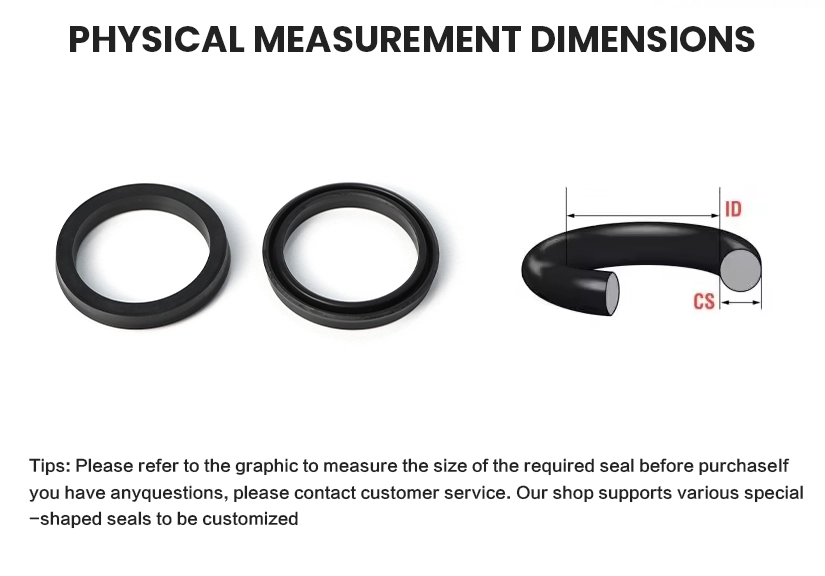
· O-ring size and groove dimensions
· Applicable industry or dimensional standard
Once these conditions are clear, the manufacturer can narrow down the material options and recommend a more suitable sealing solution.
NBR (Nitrile Rubber/Buna-N) is one of the most commonly used materials for industrial O-rings. It is widely selected for applications involving mineral oils, lubricants, fuels, and many petroleum-based fluids.
Its practical combination of oil resistance, mechanical properties, and general sealing performance makes it suitable for many hydraulic, pneumatic, automotive, and industrial applications.
However, NBR is not a universal material. If an application involves unusually high temperatures, aggressive chemicals, outdoor ozone exposure, or specific fluids, another elastomer may be more appropriate.
For buyers looking for a general-purpose industrial sealing material, NBR can be a useful starting point, but the actual fluid and temperature should always be confirmed before production.
EPDM (Ethylene-Propylene Rubber) is commonly selected for applications involving water, steam, weathering, ozone, and many chemical environments.
It can be useful in water systems, outdoor equipment, heating and cooling systems, and applications where resistance to environmental exposure is important.
One important consideration is fluid compatibility. EPDM should not be automatically selected for petroleum-based oils or fuels simply because it has good general chemical resistance. The working medium needs to be checked against the compound.
For global buyers, clearly identifying the fluid before ordering helps an O-ring manufacturer avoid recommending an unsuitable elastomer.
FKM/FPM, commonly known as fluorocarbon rubber, is frequently used when an application requires higher temperature resistance and strong resistance to oils, fuels, and many chemicals.
Compared with standard NBR applications, FKM can be a better option for demanding environments involving elevated temperatures or aggressive fluids.
It is widely considered for automotive systems, fuel systems, chemical processing equipment, industrial machinery, and other applications where conventional elastomers may not provide sufficient resistance.
However, FKM should not simply be selected because it is a higher-performance material. The actual operating conditions still need to be reviewed because chemical compatibility can vary depending on the specific medium and compound formulation.
Silicone Rubber (VMQ) is valued for its flexibility and broad temperature capability. It can perform well in applications where temperature changes are significant and elastic properties need to be maintained.
Silicone O-rings are used across various industrial, commercial, electrical, and equipment applications. They can be considered when low- or high-temperature flexibility is important.
However, silicone is not the best choice for every mechanical sealing application. Resistance to abrasion, mechanical loading, and certain fluids should be evaluated before specifying it for demanding dynamic applications.
The correct decision should therefore consider the complete operating environment rather than temperature alone.
FFKM (Perfluoroelastomer) is designed for highly demanding sealing environments where excellent resistance to aggressive chemicals and elevated temperatures is required.
Materials marketed under names such as Kalrez or Aflas may be considered for specialized applications, depending on the exact compound and requirements.
FFKM is generally associated with demanding chemical processing, semiconductor, pharmaceutical, aerospace, and other industrial environments where seal failure can have significant consequences.
For these applications, buyers should provide the manufacturer with detailed information about the chemicals, temperature, pressure, and expected service conditions. Material selection should be based on the specific compound and application rather than the FFKM designation alone.
Different industries can require different elastomers. In addition to NBR, EPDM, Silicone, FKM, and FFKM, available material options may include:
· Acrylate Rubber (ACM) — often considered for applications involving hot oils and automotive environments.
· Fluorosilicone (FVMQ) — combines silicone flexibility with improved resistance to certain fuels and oils.
· Hydrogenated Nitrile (HNBR) — offers improved heat, aging, and mechanical resistance compared with conventional NBR in suitable applications.
· Neoprene Rubber (CR) — provides useful resistance to weathering and certain oils and chemicals.
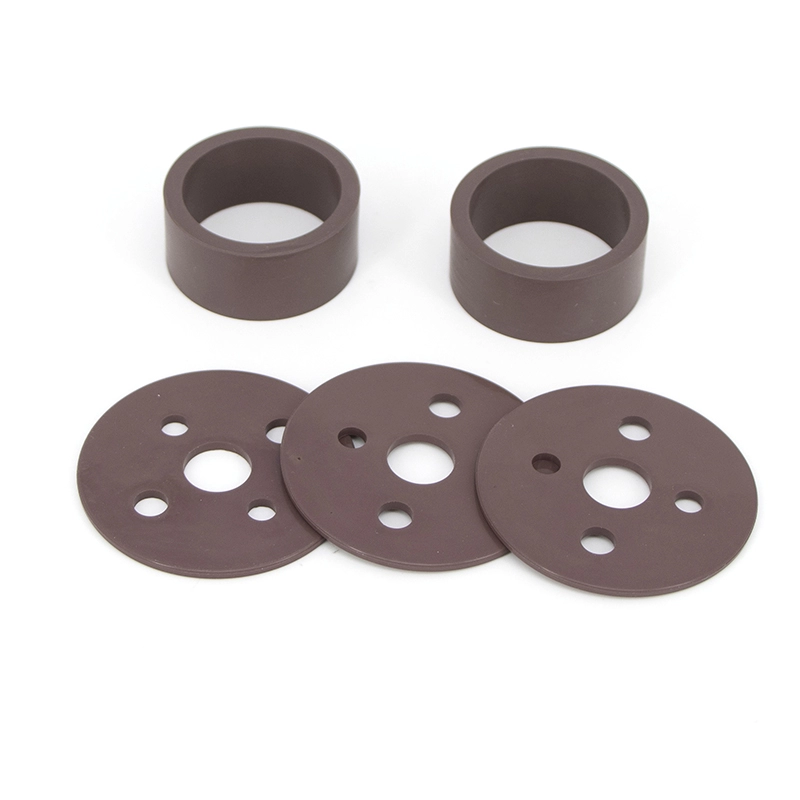
· Polyurethane (PU) — known for good mechanical strength, abrasion resistance, and wear resistance in suitable sealing applications.
· Styrene-butadiene Rubber (SBR) — used in selected general industrial and sealing applications.
· Polytetrafluoroethylene (PTFE) — offers excellent chemical resistance and low friction, although its sealing behavior differs from conventional elastomers.
A professional China O-ring factory should be able to offer multiple compound options instead of forcing every application into one standard material.
The difference between static and dynamic sealing is easy to overlook but can significantly affect material selection.
A static O-ring remains relatively stationary after installation. Material compatibility, compression, temperature resistance, and dimensional accuracy are usually key considerations.
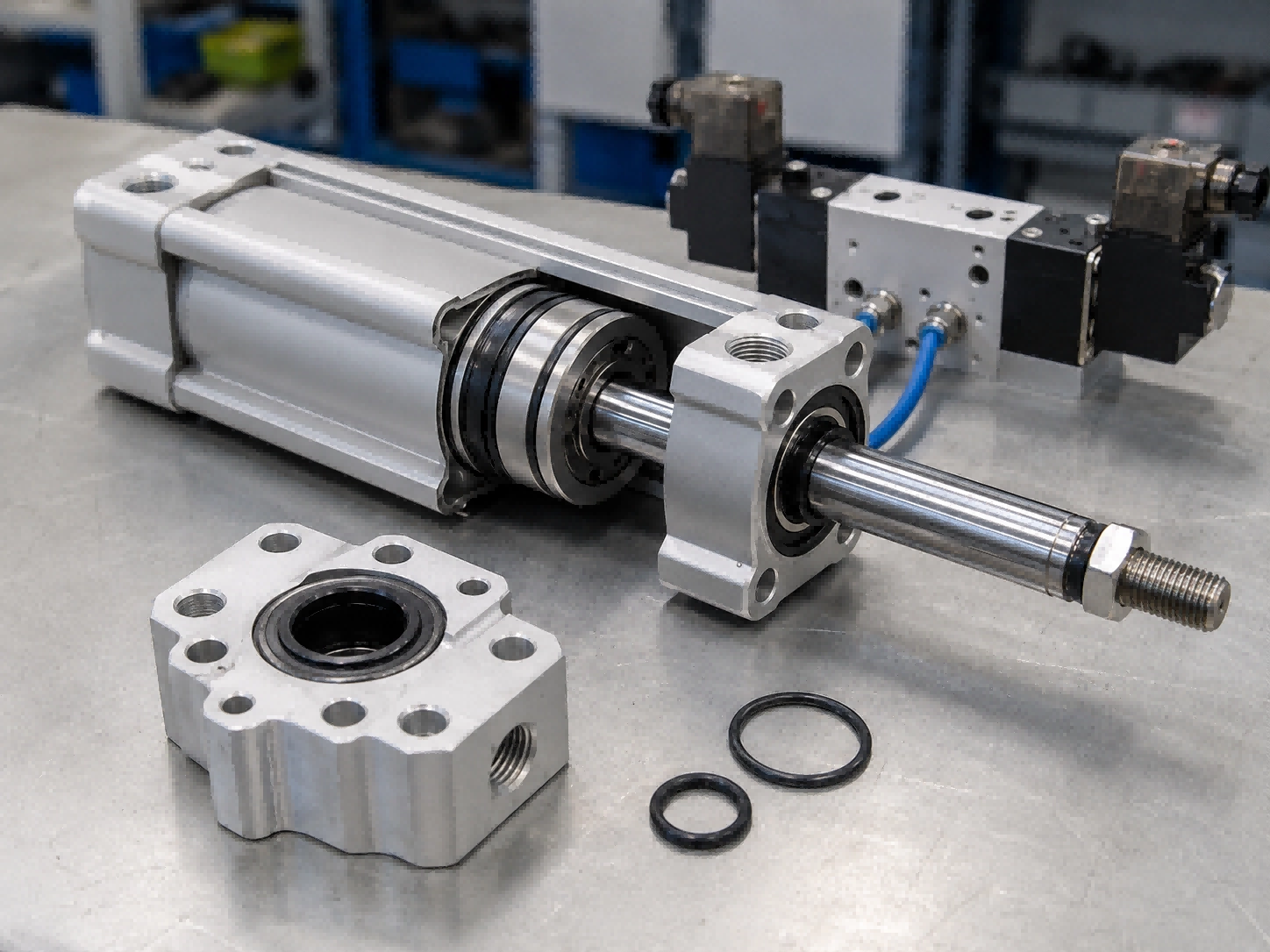
A dynamic O-ring experiences movement against a mating surface. Friction, wear, lubrication, extrusion resistance, movement speed, and surface finish become more important.
For example, a compound that performs well in a static flange seal may not provide the same service life in a reciprocating hydraulic cylinder.
When ordering industrial rubber O-rings, buyers should therefore tell the manufacturer whether the seal is used in a static or dynamic application.
Material selection should not be separated from dimensional and hardness requirements. An appropriate compound can still perform poorly if the O-ring dimensions do not match the groove.
Common standards such as AS568, ISO 3601, and JIS B 2401 provide standardized dimensions for many applications, while customized sizes are available when equipment requires non-standard dimensions.
Hardness also influences sealing behavior. Depending on the material and application, O-rings can be specified across a broad hardness range. Softer compounds can provide good conformity in certain applications, while harder compounds may offer greater resistance to deformation and extrusion under appropriate conditions.
The right hardness depends on pressure, clearance, temperature, movement, and groove design.
A capable supplier should not only manufacture the O-ring but also understand how the material and dimensions relate to the application.
HaO Seal Technology Co.,Ltd provides precision-engineered rubber O-rings for industrial and commercial applications. Material options include NBR, EPDM, Silicone, FKM, FFKM, ACM, EPR, FVMQ, HNBR, CR, PU, SBR, and PTFE.
The products are designed for both static and dynamic sealing applications and can be supplied in standard or customized sizes. Buyers can specify requirements according to AS568, ISO 3601, JIS B 2401, or provide drawings and application-specific dimensions.
For customers sourcing from a China O-ring manufacturer or wholesale supplier, this range of elastomers provides flexibility when different machines, fluids, and operating environments need different sealing materials.
A detailed inquiry can significantly shorten the material selection process. Before contacting the supplier, prepare:
Fluid: hydraulic oil, fuel, water, chemical, air, etc.
Temperature: minimum and maximum operating temperature.
Pressure: normal and peak pressure.
Movement: static, reciprocating, or rotary.
Size: standard number, dimensions, or technical drawing.
Material: preferred compound, if already specified.
Hardness: required Shore A value, if known.
Application: equipment type and operating environment.
If the material is not known, providing the fluid and operating conditions is often more useful than simply requesting a particular rubber compound.
HaO Seal Technology Co.,Ltd provides high-precision rubber O-rings designed for reliable sealing across industrial and commercial applications. The product range covers common elastomers such as NBR, EPDM, Silicone, FKM, and FFKM, along with specialized materials for more demanding applications.
The main advantage for industrial buyers is flexibility. Standard O-rings can be supplied according to recognized dimensional standards, while customized sizes can be developed for OEM equipment and special sealing requirements.
The combination of material options and customized production helps buyers address different requirements involving oils, fuels, water, chemicals, temperature, and mechanical conditions.
For customers searching for an O-ring manufacturer in China, factory-direct production and application-specific material selection can also simplify sourcing when one project requires several different sealing compounds.
There is no single O-ring material that is ideal for every application. NBR is widely used for oil and fuel applications, EPDM is often considered for water and weather-resistant environments, Silicone provides useful temperature flexibility, FKM offers strong resistance to heat, oils, fuels, and many chemicals, while FFKM is intended for highly demanding chemical and thermal environments.
The best material choice comes from matching the elastomer to the actual fluid, temperature, pressure, movement, and installation conditions.
For standard and customized O-ring sealing solutions, HaO Seal Technology Co.,Ltd offers a broad selection of materials and sizes to support industrial equipment manufacturers, distributors, maintenance teams, and global buyers looking for consistent rubber sealing components.