
2026/05/13
High-Temperature O-Rings: Materials and Performance Guide


Static vs. dynamic O-ring seals is an important consideration when designing reliable industrial sealing systems. Although both sealing types use the same basic rubber O-ring structure, their operating conditions, groove designs, friction requirements, and material considerations are quite different. For engineers and buyers working with an experienced O-ring manufacturer in China, understanding these differences helps prevent leakage, reduce premature seal wear, and select the right sealing solution for each application.
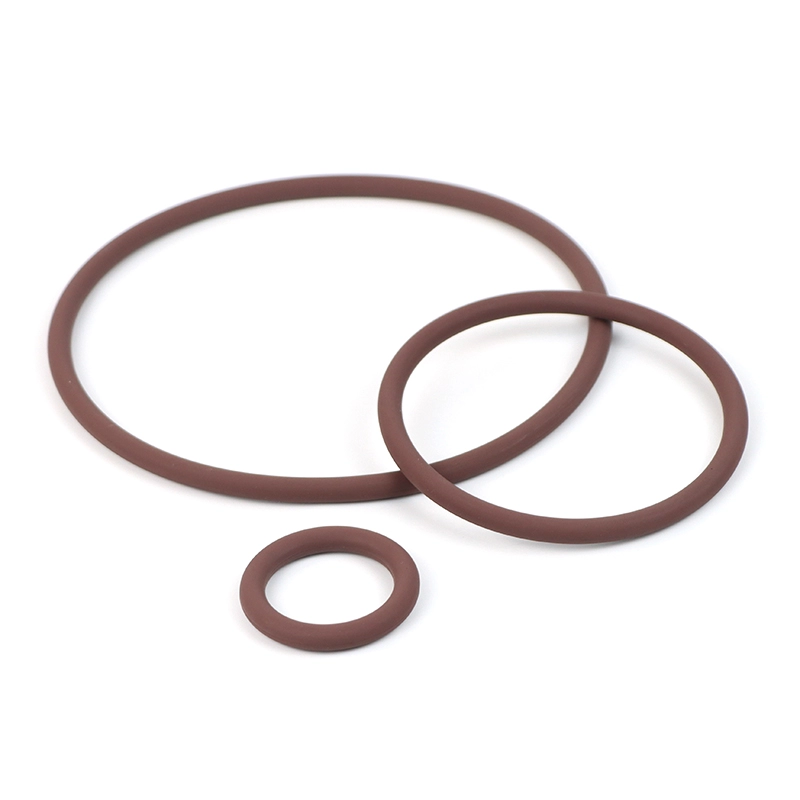
An O-ring is a circular elastomer component installed in a specially designed groove. When compressed between mating surfaces, it creates a sealing barrier that prevents liquids or gases from escaping. Whether the equipment operates under stationary conditions or involves continuous movement determines how the O-ring should be designed and installed.
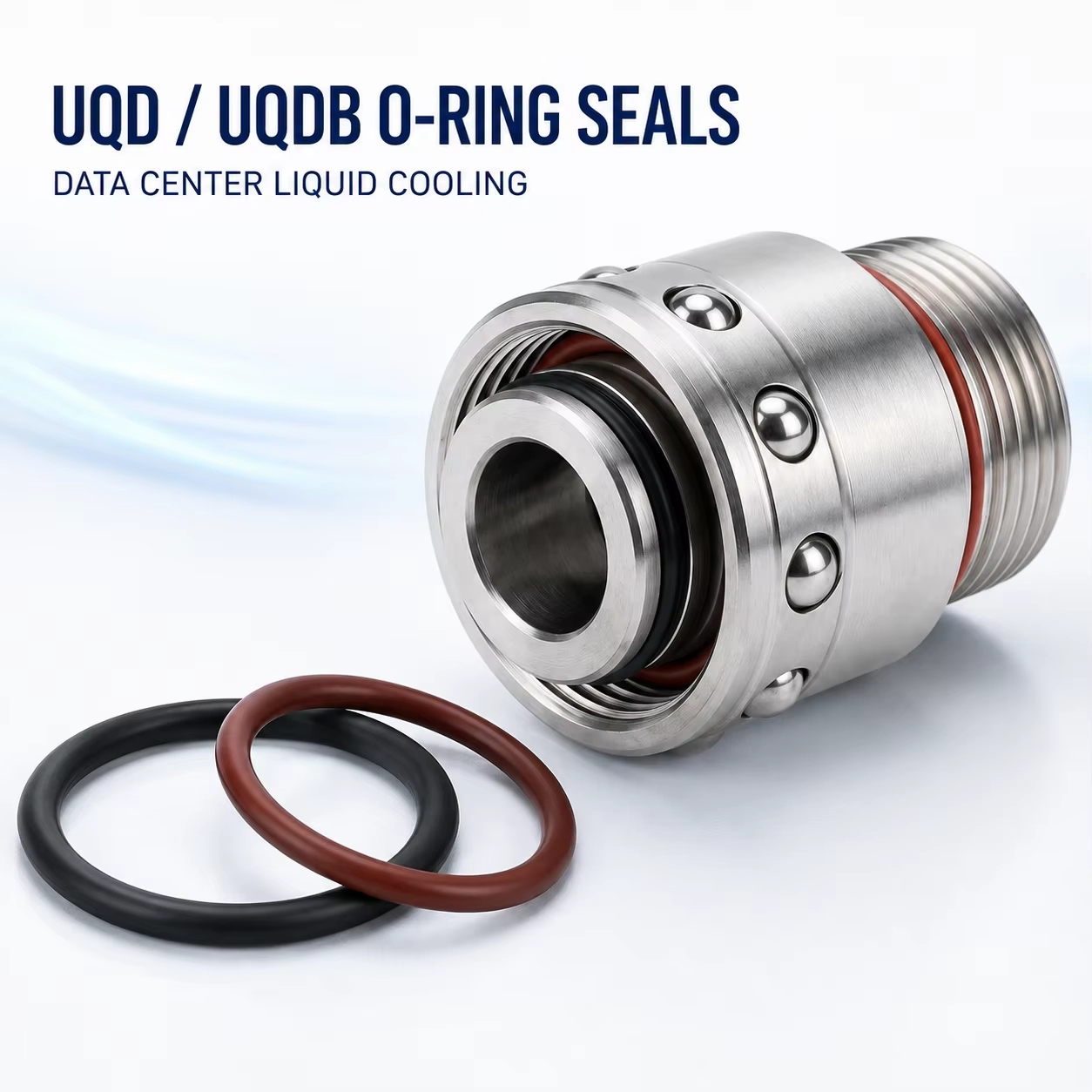
A static O-ring seal is used when the two surfaces being sealed remain stationary relative to each other during normal operation.
Once installed, the O-ring is compressed between the mating components. Its elastic deformation creates contact pressure against the sealing surfaces, preventing fluid or gas leakage.
Static O-ring seals are commonly found in:
Hydraulic manifolds and valve bodies
Pump housings and equipment covers
Pipe connections and fluid fittings
Pressure vessels and inspection ports
Semiconductor equipment enclosures
Automotive engine housings and connectors
For example, an O-ring installed between a metal housing and a removable cover creates a static seal. Even if internal pressure changes during operation, the mating components are not intended to slide or rotate against each other.
Key design considerations for static sealing
The most important design factor is achieving suitable compression without excessively deforming the rubber.
Engineers should consider:
O-ring cross-sectional diameter
Groove depth and width
Surface finish of mating components
Operating pressure and temperature
Fluid compatibility
Manufacturing tolerances
Insufficient compression may result in leakage because the O-ring cannot maintain adequate contact pressure. Excessive compression, on the other hand, can accelerate material fatigue and permanent deformation.
Static seals generally experience less friction-related wear than dynamic seals, but they still require careful attention to pressure, temperature, and chemical exposure.
A dynamic O-ring seal is designed for applications where one or both mating surfaces move relative to the seal.
Unlike static sealing, dynamic applications involve continuous or intermittent mechanical movement. The O-ring must maintain sealing contact while also handling friction, movement, and changing mechanical loads.
Dynamic O-ring seals are commonly used in:
Hydraulic cylinders
Pneumatic actuators
Reciprocating piston assemblies
Rotary shafts and rotating equipment
Automated industrial machinery
Fluid control and dispensing systems
A typical example is a hydraulic cylinder. As the piston moves back and forth, the O-ring or associated sealing element must prevent hydraulic fluid from passing between the moving components.
Dynamic applications are generally more demanding because the seal must perform two functions simultaneously: maintain an effective sealing barrier and tolerate mechanical movement.
Key design considerations for dynamic sealing
Dynamic O-ring design requires additional attention to:
Friction and sliding resistance
Lubrication conditions
Surface roughness and hardness
Operating speed
Pressure fluctuations
Seal deformation and rolling
Wear resistance and service life
If the groove is poorly designed, the O-ring may twist, roll, or experience uneven wear during movement. Excessive friction can also generate heat and accelerate elastomer deterioration.
For this reason, dynamic O-ring applications should be evaluated based on the complete mechanical assembly rather than the seal dimensions alone.
Although both sealing types share the same basic operating principle, their engineering requirements differ in several important areas.
Design Factor | Static O-Ring Seal | Dynamic O-Ring Seal |
Operating condition | Stationary mating surfaces | Relative movement between surfaces |
Main function | Prevent leakage between fixed components | Prevent leakage during movement |
Friction | Generally limited after installation | Continuous or intermittent friction |
Wear | Usually lower mechanical wear | Higher risk of abrasion and surface wear |
Groove design | Focuses on compression and pressure retention | Must account for movement, friction, and seal stability |
Lubrication | Often not required during normal operation | Frequently important, depending on the application |
Surface requirements | Controlled sealing surfaces | Greater attention to sliding surface finish and hardness |
Common failure modes | Leakage, compression set, extrusion | Wear, twisting, rolling, abrasion, extrusion |
One important point is that a static O-ring is not automatically suitable for dynamic use simply because its dimensions match the required groove.
The additional friction and mechanical movement in dynamic applications can significantly change the seal's performance and expected service life.
Groove design is one of the most important factors determining whether an O-ring performs reliably.
For static applications, engineers primarily focus on providing the correct squeeze, sufficient groove volume, and adequate resistance to fluid pressure.
The groove must accommodate the deformed O-ring without creating excessive material stress. Proper dimensional tolerances also help maintain consistent compression during assembly.
For dynamic applications, groove design becomes more complex.
The O-ring needs enough space to accommodate deformation while maintaining stable contact during movement. Excessive friction, insufficient clearance, or poor alignment can cause localized wear and premature failure.
Engineers should pay particular attention to:
Groove clearance: Excessive clearance under high pressure can increase the risk of extrusion, where rubber material is forced into the gap between mating components.
Surface finish: Sliding surfaces with scratches, machining marks, or sharp edges can damage the O-ring during repeated movement.
Lubrication: Suitable lubrication can reduce friction and help protect the elastomer from excessive heat and wear. Lubricant compatibility with the rubber compound must also be considered.
Alignment: Misalignment between moving components can produce uneven contact pressure and accelerate localized deterioration.
For standardized dimensions and practical sizing references, engineers can consult the O-Ring Dimensioning Guide when developing or reviewing a sealing design.
Material selection should be based on the actual operating environment, not simply whether the seal is static or dynamic.
Common elastomer options include NBR, EPDM, Silicone, FKM (Viton®), and FFKM.
Rubber Material | Typical Sealing Applications | Important Considerations |
NBR (Nitrile) | Hydraulic systems, oil seals, fuel equipment | Good resistance to many petroleum-based oils and fuels |
EPDM | Water systems, outdoor equipment, weather-exposed assemblies | Suitable for many water-based applications and good weather resistance |
Silicone | Electrical equipment, temperature-sensitive assemblies | Good flexibility across a wide temperature range |
FKM (Viton®) | Automotive systems, industrial oil and chemical applications | Good heat and chemical resistance in suitable media |
FFKM | Semiconductor equipment, demanding chemical processing | Designed for highly aggressive chemical and thermal environments |
For static sealing, the material must maintain sufficient elastic recovery under long-term compression.
For dynamic sealing, engineers should also evaluate friction behavior, abrasion resistance, hardness, lubrication compatibility, and the effects of repeated movement.
The same elastomer family can have different performance characteristics depending on compound formulation and manufacturing conditions. Therefore, actual application testing and material specifications remain important.
Both sealing types are widely used across industrial and commercial equipment, but their functions differ according to the mechanical structure.
Hydraulic and pneumatic equipment
Static O-rings are commonly installed in valve housings, manifold connections, and fixed fittings. Dynamic seals are used in piston and cylinder assemblies where reciprocating movement occurs.
Automotive and new energy vehicles
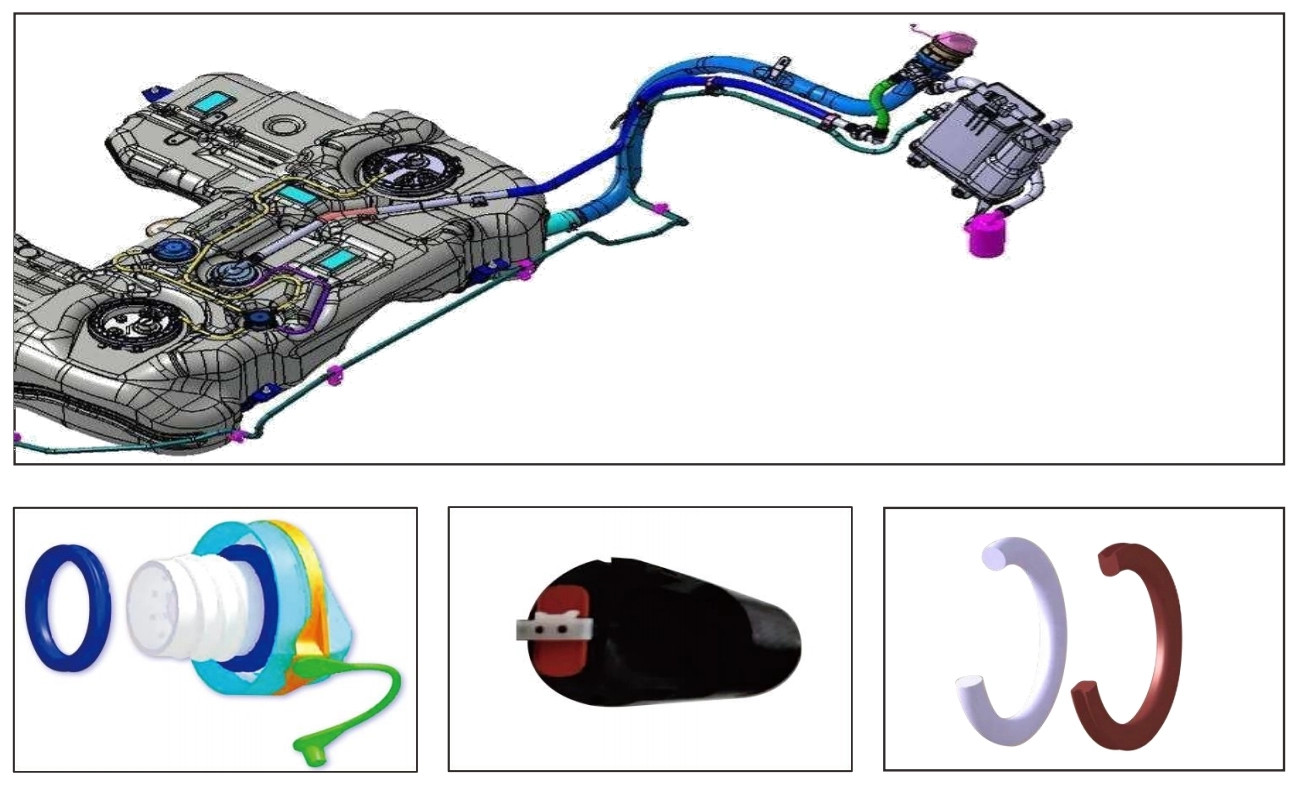
Static seals help protect housings, connectors, and fluid connections against leakage and environmental exposure. Dynamic seals are used in moving assemblies and fluid-control components where relative movement must be accommodated.
Semiconductor equipment
Static O-rings are frequently used in equipment chambers, fixed connections, and process-fluid systems. Depending on the equipment design, specialized elastomer compounds may be required to withstand chemicals, temperature variations, and demanding cleanliness conditions.
Photovoltaic equipment
Static sealing is important in electrical junction boxes, connector housings, and outdoor equipment enclosures. Seals must maintain protection against moisture, dust, and environmental exposure over extended service periods.
In each case, the correct sealing design depends on the component structure, operating conditions, and required service life.
Choosing the correct O-ring requires more than matching the inside diameter and cross-sectional size. Buyers should also evaluate the manufacturer's ability to support different operating conditions and production requirements.
When sourcing from an O-ring factory in China, consider the following factors:
Material availability: A capable manufacturer should offer different elastomer options, including NBR, EPDM, Silicone, FKM, and FFKM, to support different sealing environments.
Dimensional accuracy: Consistent dimensions are essential for achieving the intended compression and preventing assembly problems.
Customized manufacturing: Special groove designs, non-standard dimensions, different hardness requirements, and application-specific compounds may require customized O-ring production.
Quality control: Consistent molding, curing, dimensional inspection, and material verification help reduce variations between production batches.
Application understanding: A reliable supplier should be able to review drawings, dimensions, sealing media, and operating conditions before recommending a suitable product.
Hao Seal Technology Co., Ltd. provides precision-engineered rubber O-rings for a wide range of industrial and commercial applications. Its product options include NBR, EPDM, Silicone, FKM, and FFKM, supporting sealing requirements involving oils, fuels, water, chemicals, and different operating temperatures.
The company offers both standard and customized rubber O-rings, with attention to dimensional accuracy, material selection, and application requirements. These solutions support hydraulic and pneumatic equipment, automotive and NEV systems, semiconductor machinery, photovoltaic equipment, and other industrial applications.
For customers looking for an experienced rubber O-ring manufacturer and supplier, Hao Seal Technology provides a range of elastomer options and customized sealing components to accommodate different equipment designs.
Additional product specifications and technical information can be found through the company's Technical Support Center.
Several practical mistakes can reduce sealing reliability even when the selected O-ring appears to be the correct size.
Using a static sealing design in an application involving continuous movement without checking its dynamic suitability.
Ignoring friction and lubrication requirements in reciprocating or rotary assemblies.
Selecting an elastomer based only on chemical resistance while overlooking operating temperature and mechanical wear.
Using incorrect groove dimensions that create excessive compression or insufficient sealing contact.
Failing to inspect the shaft or cylinder surface for scratches, roughness, and dimensional irregularities.
Replacing a damaged O-ring without identifying the underlying cause of failure.
A proper selection process should consider the O-ring, groove, mating components, sealing medium, and operating conditions as one complete system.
Static and dynamic O-ring seals share the same basic sealing principle, but their design requirements are different.
Static O-rings primarily need to maintain stable compression between stationary components, while dynamic O-rings must preserve sealing contact under friction, movement, and repeated mechanical stress.
Understanding these differences helps engineers choose suitable groove dimensions, rubber materials, and sealing configurations for their equipment.
Hao Seal Technology Co., Ltd. supplies standard and customized rubber O-rings made from NBR, EPDM, Silicone, FKM, and FFKM. With multiple material options and application-oriented manufacturing capabilities, the company supports industrial customers seeking dependable sealing solutions for both static and dynamic applications.
Selecting the right O-ring from the beginning helps improve equipment reliability, reduce maintenance requirements, and maintain consistent sealing performance throughout the intended service life.