
2026/07/06
Why Choosing a Hydraulic V-Ring Seal Manufacturer Matters for Equipment Reliability


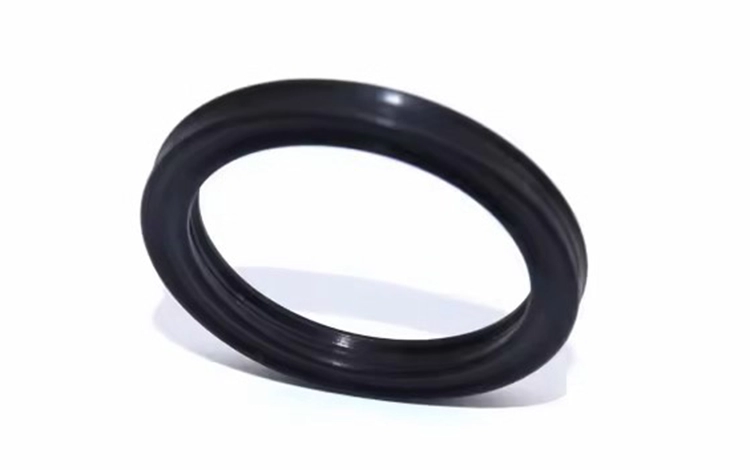
Selecting a reliable Hydraulic V-Ring Seal manufacturer in China requires more than comparing product specifications. For hydraulic equipment, industrial machinery, pumps, valves, and fluid handling systems, the seal must match the actual operating environment in terms of material, temperature, hardness, dimensions, and fluid compatibility. A dependable manufacturer should also provide consistent quality, customized sizes, technical support, and stable production capabilities.
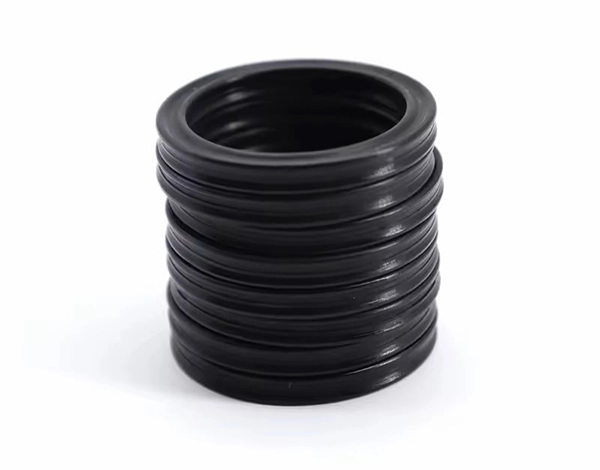
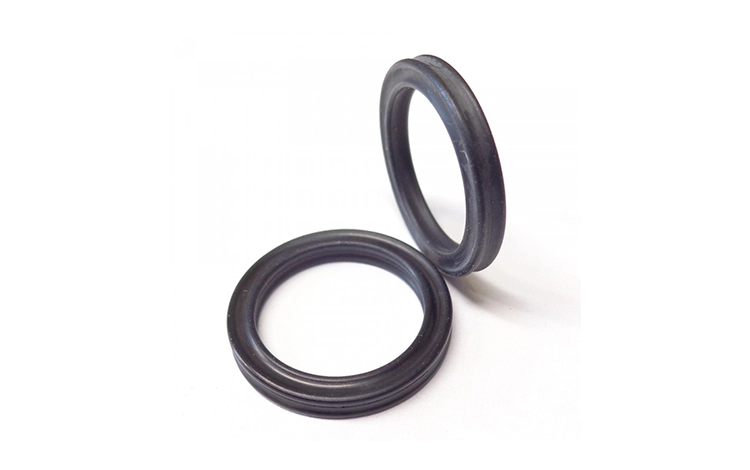
HaO Seal Technology Co.,Ltd provides precision-engineered rubber sealing components made from NBR, EPDM, Silicone, FKM, and FFKM. Its Hydraulic V-Ring Seals are available in standard and customized configurations for a broad range of industrial and commercial applications.
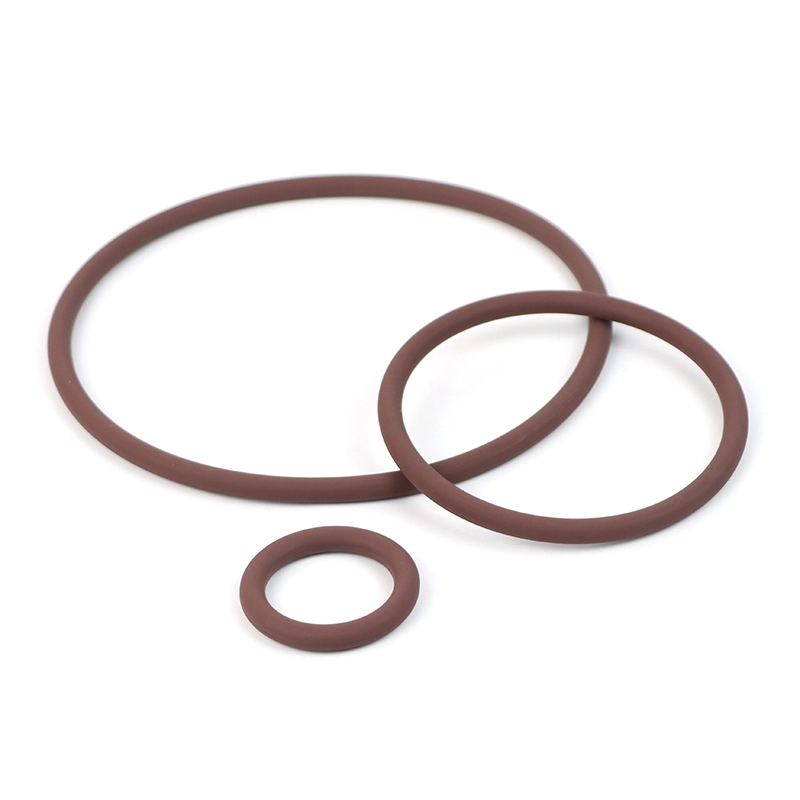
Hydraulic sealing components may be small compared with the complete machine, but their performance can directly influence system reliability.
A poorly selected seal can result in:
· Fluid leakage
· Pressure loss
· Premature component wear
· Contamination
· Frequent maintenance
· Unexpected equipment downtime
For OEM manufacturers and industrial users, replacing failed seals can also require equipment shutdown and additional labor.
This is why selecting a qualified China hydraulic seal supplier should involve a review of material options, manufacturing capabilities, dimensional control, standards, and application support.
Different hydraulic and industrial environments require different elastomer materials. A manufacturer with multiple material options gives customers greater flexibility when matching seals to actual working conditions.
HaO Seal Technology Co.,Ltd offers five major elastomer options.
NBR, or nitrile rubber, is commonly used for applications involving petroleum-based hydraulic oils, mineral oils, and fuels.
Its main characteristics include:
· Good oil resistance
· Good wear resistance
· Reliable mechanical properties
· Suitability for many general hydraulic applications
For conventional oil-based hydraulic systems, NBR can be a practical material choice when operating conditions remain within its recommended range.
EPDM is well suited to environments involving water, steam, weathering, and certain chemicals.
Typical applications include:
· Water-based systems
· Hot water applications
· Steam environments
· Outdoor equipment
· Selected chemical applications
EPDM should not generally be selected for petroleum-based oils or fuels without confirming compatibility.
Silicone provides good flexibility across a broad temperature range and can be useful where sealing components must maintain elasticity during significant temperature changes.
It offers:
· Good low-temperature flexibility
· High-temperature capability
· Stable elastic performance
· Good environmental resistance
However, fluid compatibility should still be evaluated before selecting silicone for hydraulic applications.
FKM, commonly known as a Viton® material family, provides strong resistance to heat, oils, fuels, and many chemicals.
It is often considered for more demanding industrial applications involving:
· Elevated temperatures
· Petroleum-based fluids
· Fuels
· Aggressive chemical environments
FKM can be a suitable upgrade when general-purpose elastomers do not provide the required thermal or chemical resistance.
FFKM is a high-performance elastomer designed for severe chemical and temperature conditions.
It provides excellent resistance to many aggressive chemicals and is typically considered for specialized applications where standard elastomers may not provide adequate performance.
Temperature is one of the most important factors when selecting a hydraulic seal.
The available material range can cover approximately -60°C to +320°C, depending on the specific elastomer and formulation.
However, this is a material-dependent range rather than a universal operating range for every product.
Before selecting a seal, manufacturers should identify:
· Normal operating temperature
· Maximum temperature
· Minimum temperature
· Temperature fluctuations
· Short-term temperature peaks
· Heat generated by friction or nearby equipment
For example, an application operating continuously at elevated temperatures may require FKM or another high-temperature elastomer rather than a general-purpose NBR seal.
A reliable hydraulic V-ring seal manufacturer should be able to help customers compare material characteristics against their actual operating environment.
Rubber hardness is another important consideration.
HaO Seal Technology Co.,Ltd provides sealing materials with hardness options ranging from 20–90 Shore A.
Hardness influences how the elastomer responds to pressure, installation conditions, surface irregularities, and mechanical movement.
In general:
· Softer materials can provide good conformity to certain surfaces.
· Harder materials can offer better resistance to deformation in suitable conditions.
· Medium hardness materials can provide a balance between flexibility and mechanical stability.
The correct hardness should not be selected independently. Pressure, groove dimensions, sealing gaps, temperature, and movement should all be considered together.
Dimensional compatibility is essential for sealing performance.
A qualified manufacturer should be able to supply products according to recognized standards such as:
· AS568
· ISO 3601
· JIS B 2401
These standards make it easier for manufacturers to identify compatible dimensions for standardized equipment.
However, not every hydraulic system uses standard groove dimensions. OEM equipment, older machinery, and specialized industrial systems may require non-standard sealing components.
For these applications, customized sizes can provide a more practical solution.
When contacting a hydraulic V-ring seal supplier, customers should provide dimensions, drawings, groove specifications, or samples whenever possible. Detailed technical information helps the manufacturer determine the appropriate product configuration.
A seal's material can be excellent, but dimensional inconsistency may still affect its performance.
Important manufacturing factors include:
· Dimensional accuracy
· Cross-section consistency
· Material hardness consistency
· Surface condition
· Elastic recovery
· Batch-to-batch stability
For hydraulic applications, small dimensional deviations can influence installation and contact pressure.
When evaluating a hydraulic seal factory in China, buyers should therefore consider not only the available materials but also how the manufacturer controls production consistency.
Precision-engineered sealing components are particularly important for OEM applications where multiple seals must perform consistently across a production batch.
A reliable supplier should not simply recommend the most commonly used material.
Instead, the seal should be selected according to the actual application.
Before ordering, provide information such as:
Selection Factor | Information to Confirm |
Fluid | Hydraulic oil, water, fuel, chemicals, etc. |
Temperature | Minimum and maximum operating temperatures |
Pressure | Working and peak pressure |
Movement | Static, reciprocating, or other movement |
Dimensions | Seal and groove specifications |
Hardness | Required Shore A range |
Standard | AS568, ISO 3601, JIS B 2401, or custom |
Environment | Indoor, outdoor, chemical, dusty, etc. |
This information allows the supplier to make a more practical recommendation.
Standard seals are suitable for many applications, but customized products become important when equipment uses unique dimensions or sealing structures.
Customization may involve:
· Non-standard dimensions
· Special material selection
· Specific hardness
· Custom cross-sections
· OEM requirements
· Drawing-based production
HaO Seal Technology Co.,Ltd supports both standard and customized rubber sealing solutions.
This flexibility is useful for equipment manufacturers developing new hydraulic systems or replacing seals in existing machinery with non-standard specifications.
Customers requiring application-specific products can explore the company's customized rubber sealing solutions for further product information.
Recognized standards provide a useful reference when selecting sealing components.
AS568, ISO 3601, and JIS B 2401 are commonly used dimensional standards for rubber sealing products.
Working with a manufacturer familiar with these standards can make product selection and equipment integration easier, particularly for international OEM projects.
For customized components, technical drawings and application specifications become even more important because the product may not correspond directly to a standard catalog dimension.
A manufacturer offering only one rubber compound may have limited options when customers face different operating conditions.
By contrast, a supplier offering NBR, EPDM, Silicone, FKM, and FFKM can support a wider range of applications.
This broad material portfolio allows customers to select according to:
· Oil resistance
· Fuel resistance
· Water resistance
· Chemical resistance
· Heat resistance
· Low-temperature flexibility
· Application-specific requirements
For manufacturers managing multiple equipment models, sourcing different sealing materials from one supplier can also simplify procurement.
For companies searching for a dependable China hydraulic V-ring seal manufacturer, HaO Seal Technology Co.,Ltd offers a combination of material flexibility, precision engineering, standard sizes, and customized sealing capabilities.
The company's rubber sealing products feature:
· NBR, EPDM, Silicone, FKM, and FFKM material options
· -60°C to +320°C temperature capability, depending on material
· 20–90 Shore A hardness options
· AS568 standard sizes
· ISO 3601 standard sizes
· JIS B 2401 standard sizes
· Customized dimensions
· Solutions for industrial and commercial applications
The elastomer options provide resistance characteristics suited to different environments involving oils, fuels, water, chemicals, and heat.
Instead of using one material for every application, customers can select the appropriate elastomer based on their actual operating conditions.
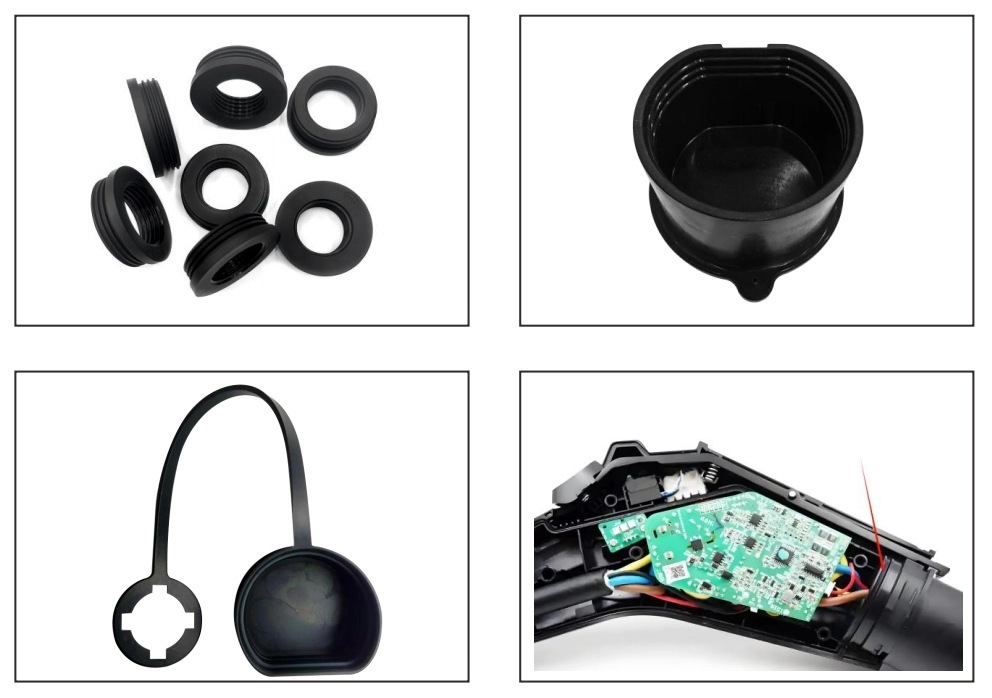
Hydraulic V-ring seals and related rubber sealing components can be used in a variety of equipment and industries.
Hydraulic cylinders, pumps, valves, and power units rely on effective sealing to control fluid and maintain system performance.
Continuous-production machinery requires reliable seals to minimize leakage and maintenance interruptions.
Automotive hydraulic and fluid-handling systems can require elastomeric seals that withstand oils, fuels, temperature changes, and mechanical movement.
Different pumps and valves handle different media. NBR, EPDM, FKM, or other elastomers can be selected according to fluid compatibility.
Chemical processing environments may require higher-performance elastomers such as FKM or FFKM, depending on the chemical medium and temperature.
Water-based applications can often benefit from EPDM when its chemical and temperature characteristics match the working environment.
Before choosing a hydraulic V-ring seal supplier, manufacturers can ask several practical questions:
1. What elastomer materials are available?
2. What temperature range is recommended for each material?
3. What hardness options are available?
4. Can the supplier provide AS568, ISO 3601, and JIS B 2401 sizes?
5. Are customized dimensions available?
6. Can the supplier work from engineering drawings?
7. Can the material be matched to the working fluid?
8. What information is required for application evaluation?
Clear answers to these questions can help reduce the risk of selecting an unsuitable sealing product.
Selecting a reliable Hydraulic V-Ring Seal manufacturer in China requires a practical evaluation of material options, temperature capability, hardness, dimensions, standards, manufacturing precision, and customization support.
NBR, EPDM, Silicone, FKM, and FFKM each provide different performance characteristics. With a temperature capability ranging from approximately -60°C to +320°C depending on material, hardness options from 20–90 Shore A, and standard or customized dimensions, manufacturers have considerable flexibility when developing sealing solutions for different operating environments.
HaO Seal Technology Co.,Ltd provides precision-engineered rubber sealing components for industrial and commercial applications, supporting both standard requirements and customized projects. For manufacturers seeking a China hydraulic seal factory, rubber seal supplier, or customized sealing partner, evaluating technical capability alongside product specifications is an important step toward achieving dependable long-term sealing performance.