
2026/03/03
Hydraulic Seal Types Explained: O-Ring, U-Ring, V-Ring, Y-Ring


Choosing the right custom hydraulic V-ring seal manufacturer is an important decision for industrial buyers who need reliable contamination protection, consistent product quality, and a good fit for their equipment. A V-ring seal may look like a simple rubber component, but its performance depends on material selection, dimensional accuracy, manufacturing control, and installation conditions.
For companies sourcing sealing components for hydraulic and pneumatic equipment, automotive production, semiconductor machinery, or other industrial applications, understanding the manufacturing process makes it easier to evaluate suppliers and avoid problems after delivery. HaO Seal Technology Co.,Ltd provides rubber sealing products and customized sealing solutions for a wide range of industrial requirements.
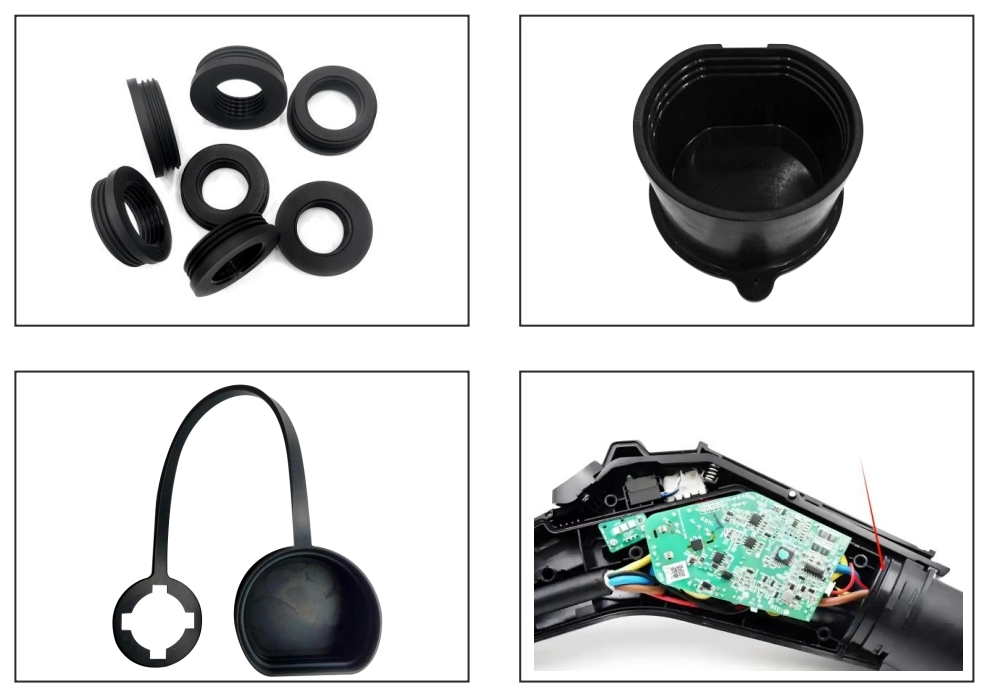
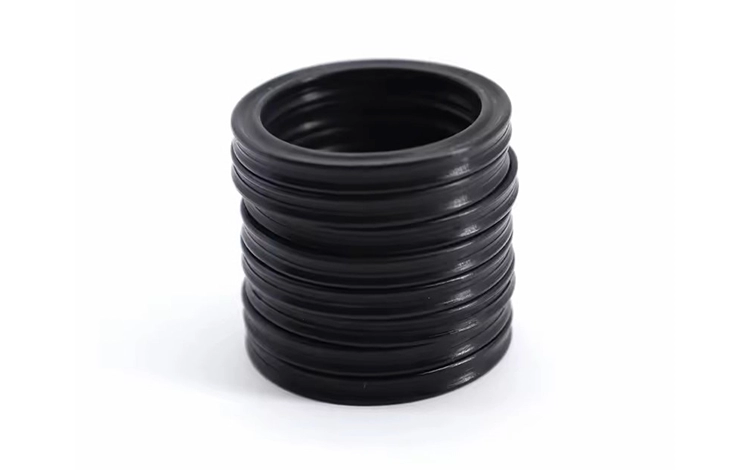
Hydraulic V-ring seals are flexible elastomeric components commonly used to help prevent dust, water, grease, and other external contaminants from entering protected areas around rotating shafts.
Unlike conventional radial shaft seals, V-ring seals typically use an axial sealing lip that contacts a stationary counterface. This design makes them useful in applications where external contamination protection is needed around rotating machinery.
However, industrial equipment does not always follow standard dimensions. Shaft diameters, available installation space, rotational speeds, operating temperatures, and exposure conditions can vary significantly between machines.
A custom V-ring seal can address these differences by allowing the design and material to be selected according to the actual application.
For industrial buyers, the main advantages of customization include:
A better fit for non-standard shaft dimensions and installation arrangements.
Material selection based on actual environmental exposure.
More appropriate sealing geometry for the equipment's operating conditions.
Better integration with existing machinery and adjacent components.
Reduced risk of ordering a standard seal that does not meet the application's requirements.
A custom design should not be selected simply because it is different from a standard product. It should solve a specific dimensional, material, or performance problem.
Understanding the manufacturing workflow helps buyers ask more useful questions when evaluating a rubber seal factory.
The process starts with the customer's technical requirements. These may include a product drawing, sample seal, equipment specifications, or a description of the operating environment.
Important information includes shaft diameter, required seal dimensions, counterface geometry, rotational speed, temperature range, and exposure to dust, moisture, oils, or chemicals.
If a drawing is incomplete, the manufacturer may need additional measurements before confirming the design. This step is important because an incorrect dimensional assumption can affect the entire production process.
After reviewing the application, the manufacturer evaluates the required seal profile and elastomer compound.
The design must provide an appropriate fit around the shaft while allowing the sealing lip to contact the counterface as intended. The seal must also tolerate the operating conditions without excessive deformation, friction, or premature deterioration.
Material selection is equally important. A compound that performs well in an oil-exposed environment may not be suitable for continuous exposure to certain chemicals or cleaning agents.
Custom rubber seals may require dedicated tooling, depending on the product geometry and the manufacturer's production process.
Before full production, buyers should confirm that the tooling corresponds to the approved drawing and that the manufacturer has identified the dimensions requiring inspection.
For repeat orders, consistent tooling condition and controlled production parameters help maintain dimensional repeatability.
Rubber molding processes typically involve preparing the selected compound, forming the component under controlled conditions, and completing the required finishing operations.
Depending on the design, finishing may include removing excess material or inspecting the sealing lip for molding defects.
For a V-ring seal, defects around the lip or sealing profile deserve particular attention because they may affect contact with the counterface.
Before shipment, the finished product should be checked against the agreed specifications. The inspection plan may cover critical dimensions, visual appearance, material identification, and other application-specific requirements.
For a new custom design, it is good practice to approve a representative sample or first article before proceeding with repeat production.
The exact inspection and approval process should be agreed upon with the manufacturer rather than assumed to be identical across all suppliers.
A V-ring seal's material influences its flexibility, chemical compatibility, temperature performance, and resistance to wear. Selecting the wrong compound can lead to cracking, hardening, swelling, or loss of sealing contact.
Common elastomers used in industrial sealing applications include:
Material | Main characteristics | Typical considerations |
NBR (Nitrile) | Good resistance to many mineral oils and lubricants | Useful for general oil-exposed applications |
EPDM | Good resistance to water, weathering, and many outdoor conditions | Generally unsuitable for petroleum-based oils |
Silicone | Good flexibility over a broad temperature range | Mechanical wear resistance must be evaluated |
FKM (Viton®) | Good resistance to many oils, fuels, and elevated temperatures | Suitable grades depend on the actual medium and temperature |
FFKM | High resistance to many aggressive chemicals | Requires application-specific compatibility assessment |
No single material is best for every industrial environment. Buyers should provide the manufacturer with the actual operating temperature, chemical exposure, expected contact conditions, and service-life requirements.
HaO Seal Technology Co.,Ltd offers precision-engineered rubber O-rings and sealing products made with materials including NBR, EPDM, silicone, FKM, and FFKM.
Although O-rings and V-ring seals have different designs and functions, both depend on suitable elastomer selection and controlled manufacturing. For buyers managing several equipment types, working with a supplier familiar with different rubber compounds can also simplify material evaluation across a wider sealing program.
A manufacturer's quality claims are more useful when they can be linked to specific inspection practices.
Before placing an order for custom hydraulic V-ring seals, industrial buyers should consider the following areas.
Dimensional consistency
Check whether the manufacturer measures the critical dimensions specified in the approved drawing. These may include the relevant free diameter, cross-section, overall profile, and other design-specific dimensions.
The acceptable tolerances should be documented before production begins.
Visual inspection
The sealing lip and rubber body should be examined for cuts, cracks, incomplete molding, excessive flash, or other defects that could affect installation or performance.
Material verification
Confirm the specified elastomer grade and any agreed material identification or documentation requirements. A generic description such as "oil-resistant rubber" is not sufficient when the application requires a specific compound.
Sample approval
For a new design, sample approval gives both parties an opportunity to identify dimensional or fit problems before repeat manufacturing.
Traceability and documentation
Depending on the application, buyers may require batch identification, inspection records, material documentation, or a certificate of conformity.
These requirements should be defined during supplier evaluation, especially when seals are used in production equipment where unplanned maintenance can disrupt operations.
Even experienced industrial buyers can encounter problems when specifications are incomplete or supplier capabilities are not properly evaluated.
The shaft diameter is important, but it does not describe the complete seal geometry. A manufacturer also needs to understand the relevant seal dimensions, installation stretch, lip configuration, and counterface arrangement.
A material may be compatible with one lubricant but unsuitable for another chemical or cleaning agent. Buyers should provide the actual exposure conditions instead of relying on broad material labels.
A V-ring used on a slowly rotating assembly may experience different frictional and thermal conditions from one operating at higher speeds. The seal design should be evaluated against the intended operating range.
Skipping sample evaluation can allow dimensional problems to continue into repeat production. First-article inspection is particularly useful for non-standard products.
A reliable supplier should be able to discuss drawings, materials, tolerances, inspection requirements, and application limitations. If important technical questions remain unanswered, the risk of receiving an unsuitable product increases.
For buyers sourcing from a China rubber seal manufacturer, supplier evaluation should cover more than the ability to manufacture a particular shape.
Consider these practical questions:
Can the supplier review technical drawings and identify missing specifications?
Does the supplier offer material options suitable for the intended operating conditions?
Can critical dimensions and tolerances be documented?
Is sample production available for a new custom design?
Can the supplier explain its inspection and batch documentation practices?
Is technical communication clear enough to resolve dimensional or material issues before production?
Also consider whether the supplier has experience with the relevant industrial sector. Requirements for general hydraulic machinery may differ from those for semiconductor equipment, automotive production, or photovoltaic manufacturing.
For repeat orders, consistent specifications and clear communication are particularly important. Keeping approved drawings, material requirements, and inspection criteria consistent helps reduce misunderstandings between purchasing, engineering, and production teams.
Established in 2010, HaO Seal Technology Co.,Ltd specializes in rubber seals and industrial sealing solutions. The company serves a range of application areas, including photovoltaic equipment, semiconductor equipment, inkjet marking equipment, automotive and new energy vehicles, hydraulic and pneumatic systems, and medical and sanitary equipment.
Its rubber O-ring product range includes NBR, EPDM, silicone, FKM, and FFKM materials to support different sealing requirements. Standard and customized products are available for industrial and commercial applications, subject to the specifications of each project.
For industrial buyers, the practical value of a sealing supplier lies in the ability to match product specifications to real operating conditions. Dimensions, material compatibility, manufacturing requirements, and inspection criteria should all be considered before a custom component is approved.
HaO Seal Technology Co.,Ltd supports customers seeking custom rubber sealing solutions for different industrial applications. Buyers evaluating a custom hydraulic V-ring project can provide drawings, samples, shaft measurements, operating conditions, and required documentation to help establish the appropriate product specification.
The company's broader range of industrial rubber seal products also provides a starting point for customers sourcing O-rings and other sealing components for related equipment requirements.
A clear technical inquiry helps reduce unnecessary clarification and supports a more accurate manufacturing assessment.
Before contacting a supplier, prepare the following information where available:
Product information: Existing part number, sample, drawing, or reference dimensions.
Shaft and installation details: Actual shaft diameter, installation space, and counterface geometry.
Operating conditions: Rotational speed, temperature range, and exposure to dust, water, oils, or chemicals.
Material requirements: Preferred elastomer, known compatibility requirements, or relevant application standards.
Quality requirements: Dimensional tolerances, sample approval, inspection records, and traceability needs.
Order requirements: Initial production quantity, expected repeat-order frequency, and delivery schedule.
Not every project will have all these details at the beginning. However, providing as much reliable information as possible makes it easier to assess whether a standard product can work or whether a custom design is necessary.
Custom hydraulic V-ring seal manufacturing involves much more than molding a rubber component to a specified diameter. The final result depends on accurate drawings, suitable elastomer selection, appropriate tooling, controlled production, and inspection against agreed requirements.
Industrial buyers can reduce sourcing risks by evaluating supplier capabilities, approving samples where appropriate, and documenting the dimensions and operating conditions that matter most.
With experience in rubber sealing products and industrial applications, HaO Seal Technology Co.,Ltd supports customers looking for standard and customized sealing components. A clear technical specification and a practical evaluation process are the foundation for selecting a sealing solution that fits the equipment and performs reliably in service.