
2026/02/26
Selecting the Right Seal Profile for Dynamic vs Static Applications


Precision molded rubber components are becoming increasingly critical in modern manufacturing. As industries demand higher performance, tighter tolerances, and longer service life, the expectations placed on rubber parts have evolved far beyond basic sealing functions. In 2026, the focus is no longer just on producing rubber components—it is about engineering them for performance, consistency, and application-specific reliability.
This article explores the key trends shaping the future of precision molded rubber components, along with practical insights for businesses looking to stay competitive.
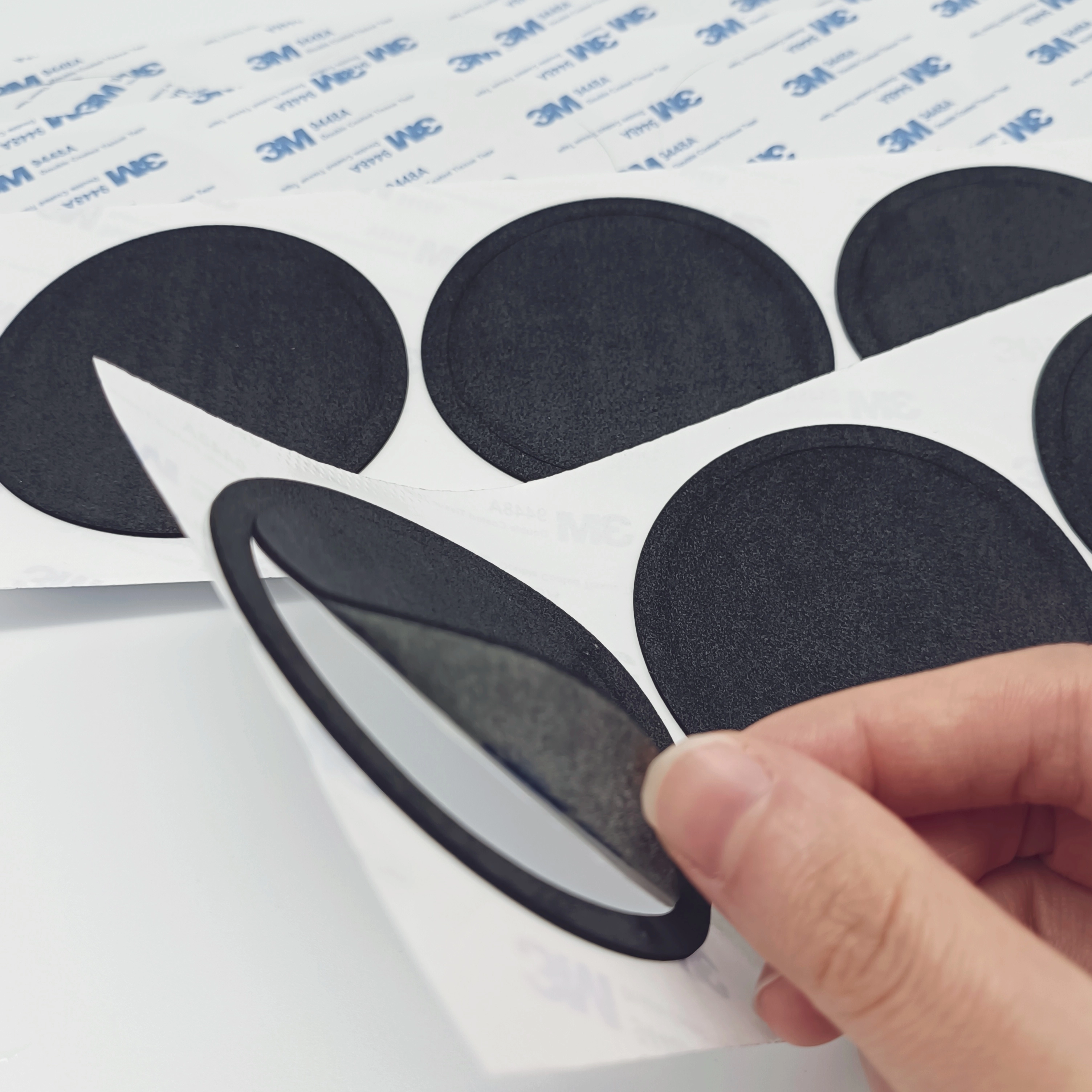
One of the most noticeable trends in 2026 is the shift toward advanced elastomer materials. Traditional materials like NBR and EPDM remain widely used, but more industries are turning to high-performance compounds such as FKM, HNBR, FVMQ, and even perfluoroelastomers (FFKM).
Higher temperature resistance
Improved chemical compatibility
Longer service life in harsh environments
For example, semiconductor and chemical processing industries require materials that can maintain integrity under aggressive conditions, while automotive and new energy vehicle (NEV) applications demand resistance to heat, oils, and electrical environments.
Material innovation is no longer optional—it is a key differentiator.
Precision is becoming a baseline requirement rather than a premium feature. Industries such as semiconductor manufacturing and medical equipment require extremely tight dimensional tolerances to ensure system stability.
Advanced mold design and simulation
Improved tooling accuracy
Enhanced quality control systems
Even minor deviations in rubber components can lead to leakage, contamination, or system inefficiency. As a result, manufacturers are investing heavily in precision molding technologies to ensure consistency across large production volumes.
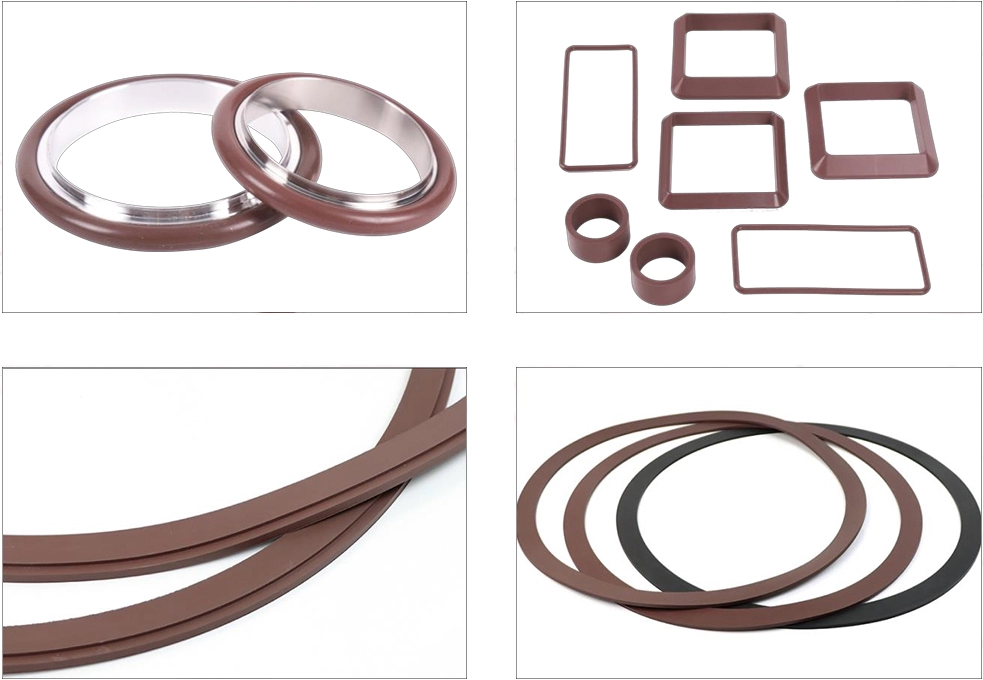
Standard rubber components are no longer sufficient for many applications. In 2026, customization is a major trend, driven by the increasing complexity of industrial systems.
Tailored material formulations
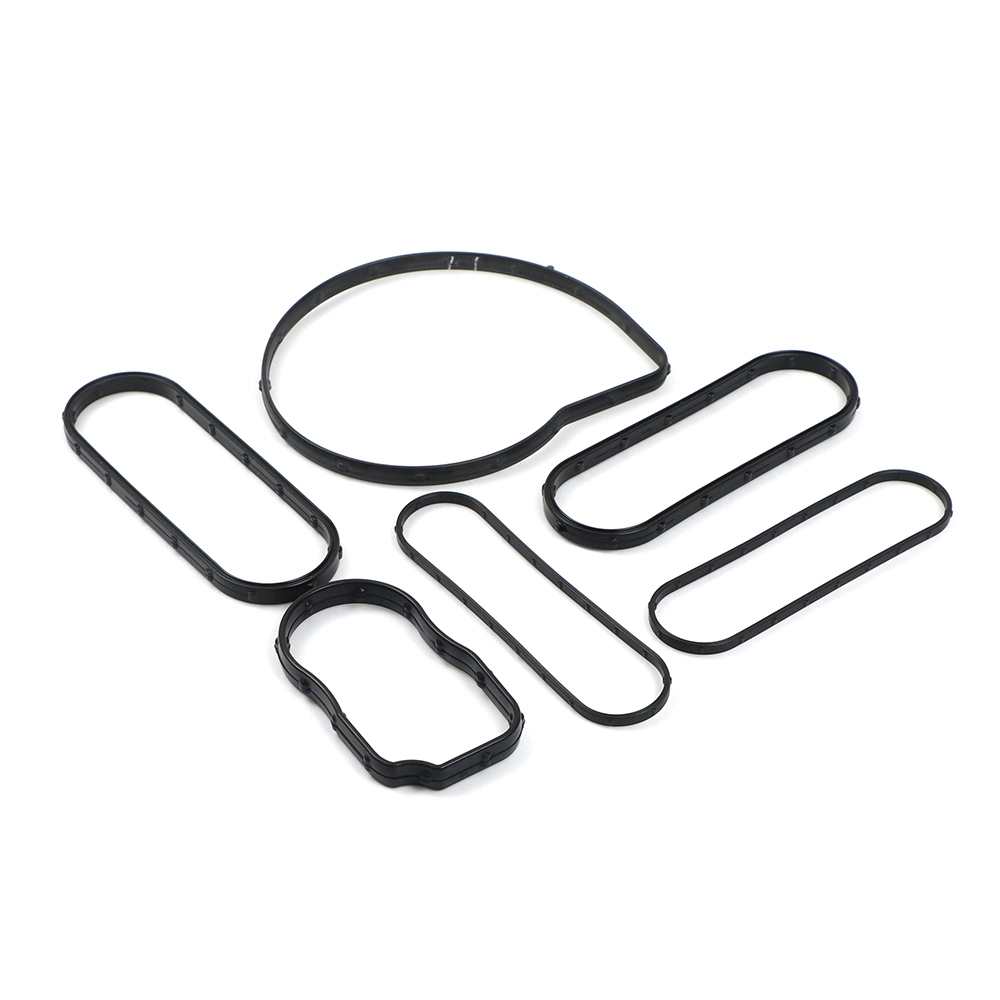
Unique geometries and profiles
Integration with metal or composite parts
Performance optimization for specific environments
OEM and ODM solutions are becoming more common, allowing businesses to design components that fit their exact requirements rather than adapting their systems to standard parts.
To explore a wide range of customizable options, businesses can review
<a href="https://www.haosealtech.com/product/">precision molded rubber components</a> designed for diverse industrial applications.
Precision molded rubber components are playing a larger role in high-tech industries, where performance requirements are particularly demanding.
Requires ultra-clean materials, low particle generation, and high chemical resistance.
Demands long-term durability under UV exposure and temperature fluctuations.
Needs seals that can resist solvents and maintain performance during continuous operation.
Focuses on vibration resistance, thermal stability, and compatibility with new energy systems.
Requires biocompatibility, non-toxicity, and resistance to sterilization processes.
The expansion into these sectors is pushing manufacturers to adopt stricter quality standards and more advanced technologies.
Manufacturing processes are evolving to meet the increasing demand for precision and efficiency.
Injection molding is becoming more refined, offering:
Faster cycle times
Improved consistency
Reduced material waste
Still widely used for larger components, compression molding is being enhanced with better process control and material distribution.
Automation is improving production efficiency and reducing human error. Digital monitoring systems allow real-time quality tracking and process optimization.
These advancements ensure that rubber components meet the high standards required by modern industries.
In 2026, businesses are placing greater emphasis on lifecycle performance rather than just initial cost or specifications.
Resistance to aging and environmental degradation
Long-term compression set performance
Stability under repeated stress and movement
This shift is particularly important in industries where maintenance or replacement is costly or difficult, such as aerospace, energy, and heavy machinery.
Sustainability is becoming an important factor in material selection and manufacturing processes.
Development of more environmentally friendly elastomers
Reduction of material waste during production
Improved energy efficiency in manufacturing
While performance remains the top priority, companies are increasingly balancing it with environmental considerations.
Continuous innovation is essential to keep up with evolving industry requirements. Manufacturers with dedicated research and development capabilities are better positioned to deliver advanced solutions.
Guangdong Haoou Sealing Technology Co., Ltd., established in 2010, has built its reputation as a professional sealing solution supplier by focusing on innovation and practical application. Founded by a team with extensive experience in rubber seal research, development, and manufacturing, the company serves industries such as photovoltaic equipment, semiconductor systems, inkjet marking, automotive and new energy vehicles, as well as hydraulic, pneumatic, and medical applications.
With an in-house R&D center, Guangdong Haoou Sealing Technology Co., Ltd. continuously works on improving production lines and material performance. This allows the company to provide solutions that align with real industrial needs rather than theoretical specifications.
Another important trend is the increasing collaboration between component manufacturers and end users.
Instead of simply supplying parts, manufacturers are now involved in:
Early-stage product design
Material selection guidance
Performance testing and validation
This collaborative approach helps reduce development time, improve product performance, and minimize costly design changes later in the process.
To stay competitive in 2026, businesses should consider the following:
Invest in high-performance materials for demanding applications
Prioritize precision and consistency in component selection
Work with suppliers that offer customization and technical support
Focus on long-term reliability rather than short-term savings
Partner with manufacturers that have strong R&D capabilities
These steps can help ensure that your rubber components meet the evolving demands of modern industries.
The landscape of precision molded rubber components is rapidly evolving. In 2026, success is driven by material innovation, precision engineering, customization, and close collaboration between manufacturers and clients.
As industries continue to push the limits of performance and reliability, the role of rubber components becomes even more critical. By understanding these trends and working with experienced partners like Guangdong Haoou Sealing Technology Co., Ltd., businesses can ensure that their sealing solutions are ready for the challenges ahead.