
2026/01/08
Rubber X-Ring vs O-Ring: Key Differences for Dynamic Sealing Performance


In hydraulic and pneumatic equipment, sealing performance often determines whether a system runs efficiently for years or fails prematurely. As machinery moves toward higher speeds, higher pressures, and more compact structures, traditional sealing solutions sometimes struggle to maintain stability. Under these demanding conditions, X-rings—also known as quad rings—offer clear technical advantages.
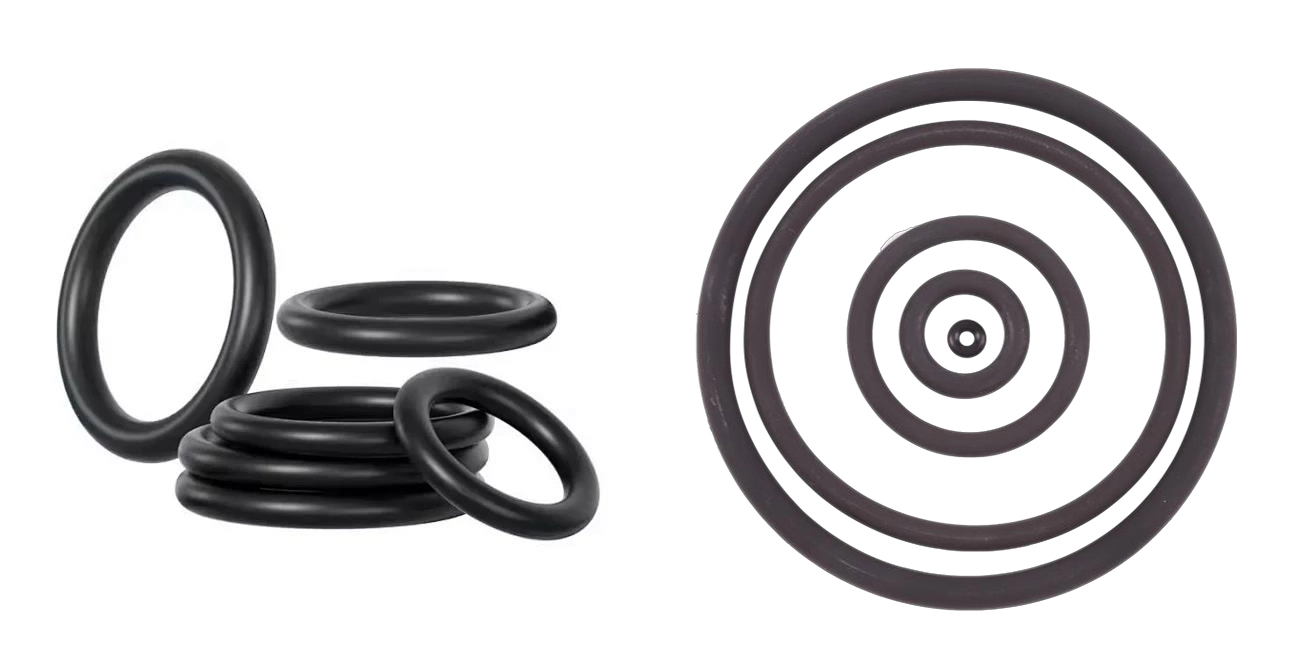
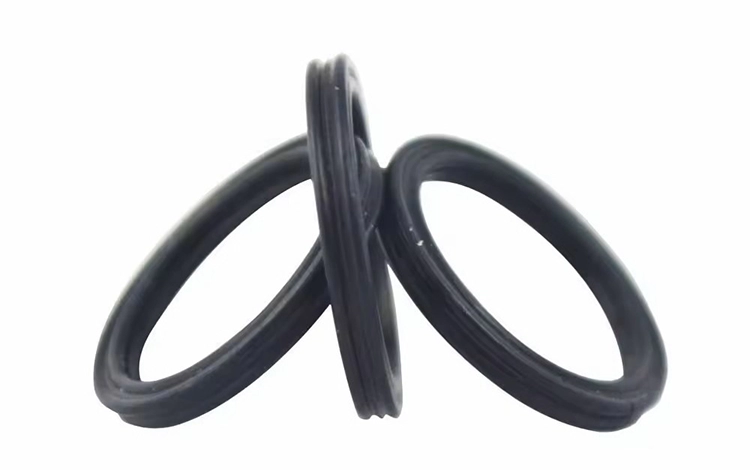
Although they may appear similar to O-rings at first glance, X-rings feature a four-lobed cross-section that significantly improves performance in dynamic and high-pressure environments. This article explores why X-rings are increasingly preferred in high-speed and high-pressure systems, and how custom sealing design further enhances their reliability.
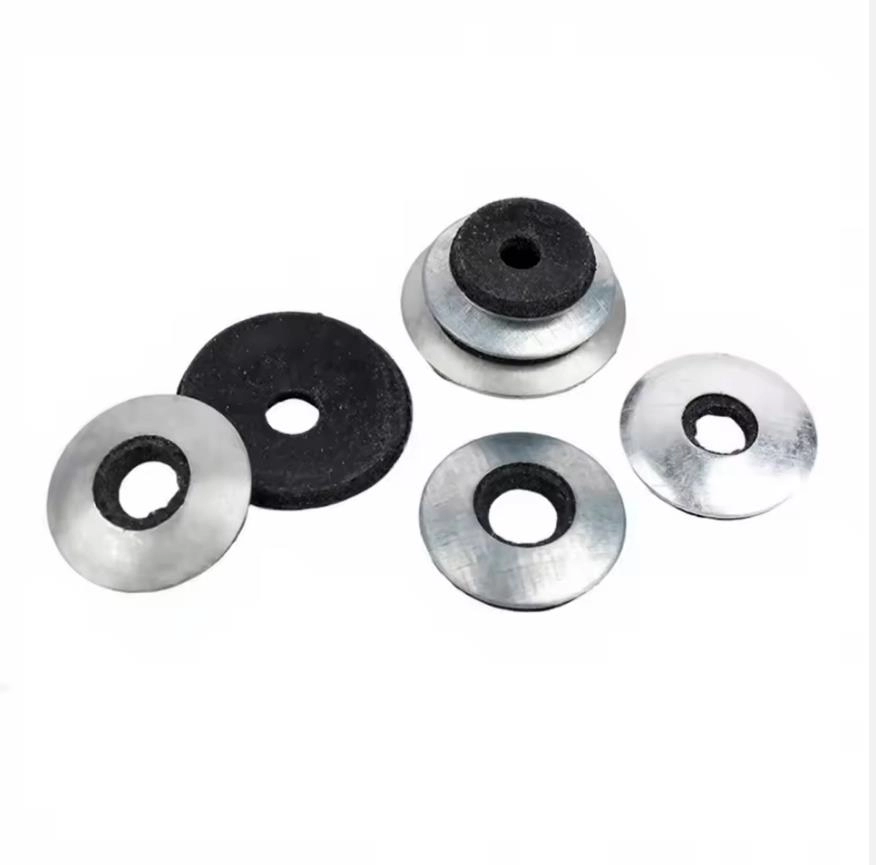
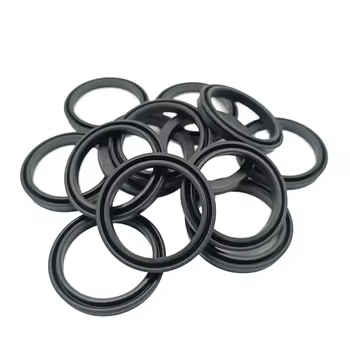
An X-ring is a four-lip sealing component designed to provide improved sealing performance compared to a standard O-ring. Its cross-section forms an “X” shape, creating four sealing contact points instead of two.
This structural difference may seem minor, but in dynamic applications it changes everything:
Reduced friction
Improved lubrication retention
Lower risk of twisting
Enhanced sealing redundancy
For technical specifications and available configurations, you can explore our detailed X-ring solutions here:
https://www.haosealtech.com/X-Ring/
Before examining the advantages of X-rings, it is important to understand the operational challenges involved.
In high-speed reciprocating or rotary systems, friction generates heat. Excessive heat accelerates elastomer aging, increases wear, and leads to compression set.
Standard O-rings may twist inside the groove during rapid motion, especially in dynamic applications. This rolling effect causes uneven wear and early failure.
High-pressure systems create strong radial forces that can push seals into clearance gaps. Without adequate support, extrusion and deformation occur.
Dynamic systems rely on thin lubricant films. If lubrication breaks down, friction increases dramatically.
X-rings address each of these challenges through geometry and material optimization.
The four-lobed design creates smaller individual contact areas compared to a round O-ring. This reduces frictional drag while maintaining sealing integrity.
Lower friction provides several operational benefits:
Reduced heat buildup
Lower energy consumption
Extended service life
Smoother motion control
In high-speed hydraulic cylinders or pneumatic actuators, this friction reduction becomes critical.
One of the major advantages of X-rings is the formation of lubrication reservoirs between the sealing lips. These micro-chambers help retain grease or hydraulic oil, ensuring continuous lubrication during motion.
Better lubrication means:
Reduced wear on both seal and mating surfaces
More stable dynamic performance
Lower maintenance frequency
This is especially valuable in high-cycle industrial automation systems.
Unlike O-rings, which can roll within the groove during reciprocating movement, X-rings are structurally more stable. The four-lip geometry helps prevent spiral failure and twisting.
In high-speed applications, twisting can rapidly destroy a seal. By minimizing this risk, X-rings significantly enhance reliability in:
Hydraulic pistons
Valve stems
High-speed shafts
Pneumatic actuators
In high-pressure systems, fluid force energizes the sealing lips. Because X-rings have four sealing points, they offer greater redundancy.
If minor wear occurs on one lip, the additional contact points maintain sealing performance. This redundancy improves safety margins in heavy-duty equipment such as:
Injection molding machines
Construction machinery
Mining equipment
High-pressure pumps
When paired with proper groove design and extrusion control measures, X-rings perform reliably under demanding pressure cycles.
Geometry alone does not determine seal success. The rubber compound plays an equally important role.
Depending on application requirements, X-rings can be manufactured from:
NBR for oil resistance
EPDM for water and steam environments
Silicone for wide temperature ranges
FKM for high-temperature chemical resistance
FFKM for extreme chemical stability
At R&D, we begin every project by carefully mapping operating conditions:
Temperature range
Pressure profile
Media compatibility
Motion type and speed
Mechanical tolerances
Based on this analysis, we develop or select the optimal rubber compound. In many cases, a unique in-house formulation is required to balance hardness, elasticity, and chemical resistance.
Standard X-rings meet many industrial needs, but high-speed and high-pressure systems often require customization.
Groove dimensions directly influence:
Compression rate
Contact pressure
Friction level
Seal lifespan
Minor adjustments can significantly improve performance.
A seal operating at high pressure may require higher hardness to resist extrusion, while high-speed systems demand flexibility to minimize heat generation. Achieving both characteristics requires compound engineering expertise.
At R&D, our rubber engineering specialists have accumulated 16 years of experience solving complex sealing challenges. When no ready-made solution exists, we design from the ground up—starting with compound formulation.
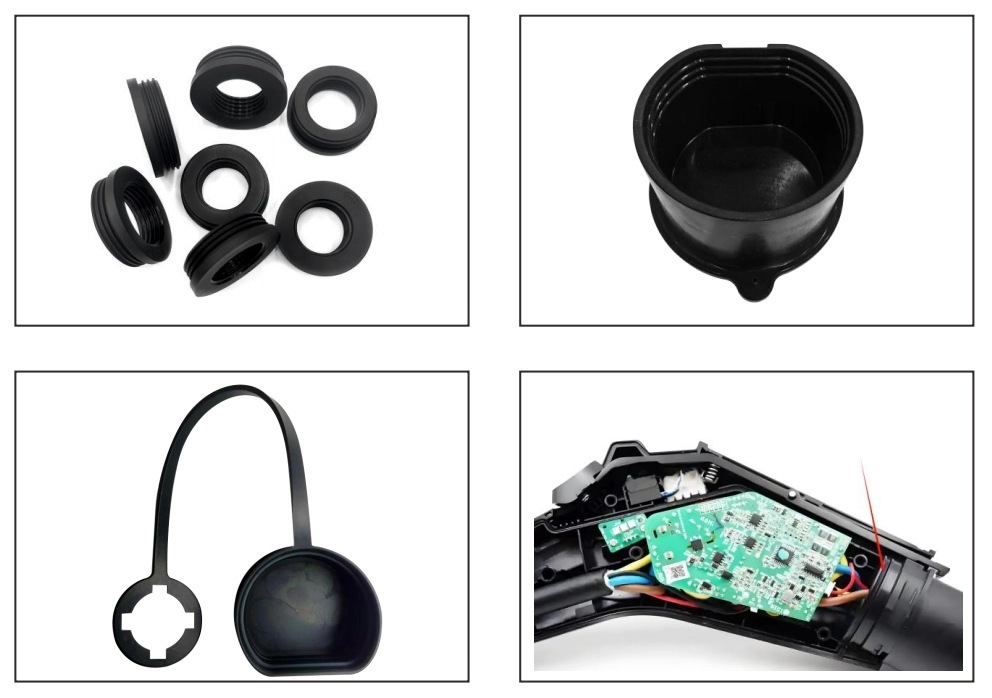
In extremely demanding environments involving vibration, dimensional instability, or mechanical load, metal bonded rubber seals offer additional advantages.
These composite components combine:
The structural strength of metal
The flexibility and sealing capability of rubber
The rubber is vulcanized or chemically bonded to a metal insert, ensuring strong adhesion and dimensional stability even under high pressure and temperature fluctuations.
In high-speed rotating systems or heavy industrial applications, metal reinforcement prevents distortion and enhances long-term reliability.
X-rings are widely used in industries requiring dynamic sealing stability:
Hydraulic cylinders
Pneumatic actuators
Automotive transmission systems
Industrial robotics
Oil and gas equipment
High-speed pumps
Their ability to maintain sealing integrity under motion makes them particularly suitable for modern high-efficiency systems.
When specifying an X-ring for high-speed or high-pressure applications, consider:
Clearance gap and extrusion risk
Surface finish of mating components
Lubrication type and viscosity
Installation method
Temperature fluctuation range
Collaborating with a sealing engineering team early in the design phase prevents costly redesign and field failure.
As industrial equipment evolves toward higher performance, sealing technology must evolve with it. X-rings offer measurable advantages over traditional O-rings in high-speed and high-pressure systems through:
Lower friction
Better lubrication retention
Improved anti-twisting stability
Enhanced sealing redundancy
However, geometry alone is not enough. Optimal performance requires careful compound selection, groove design, and sometimes metal reinforcement.
At R&D, we combine custom sealing design, in-house compound development, and precision molding to deliver reliable solutions for demanding sectors. Whether your system operates under extreme temperatures, heavy pressure cycles, or aggressive media exposure, a properly engineered X-ring can significantly improve performance and service life.