
2026/03/06
Sealing Ring Design Considerations for Industrial Equipment


Selecting the right elastomer sealing solution is not just a technical decision—it is a strategic one that directly affects product reliability, maintenance costs, and long-term operational efficiency. Whether you are working in automotive systems, semiconductor equipment, or industrial machinery, the wrong seal can lead to leakage, contamination, or even system failure.
This article breaks down how to choose elastomer sealing solutions in a practical, application-driven way, helping you make informed decisions based on real operating conditions rather than generic specifications.
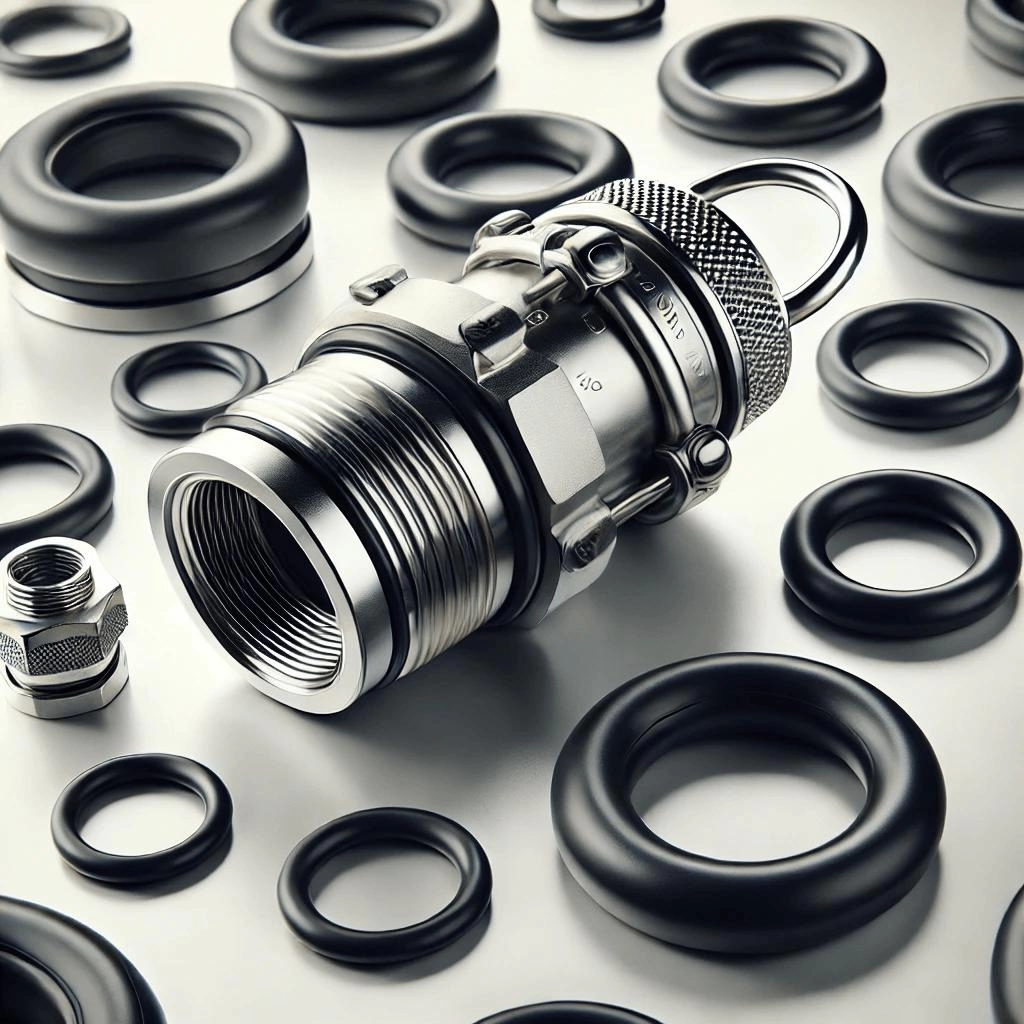
Elastomer seals are flexible components made from rubber-like materials designed to prevent the passage of fluids, gases, or contaminants. Their effectiveness depends on how well they adapt to pressure, temperature, and chemical exposure.
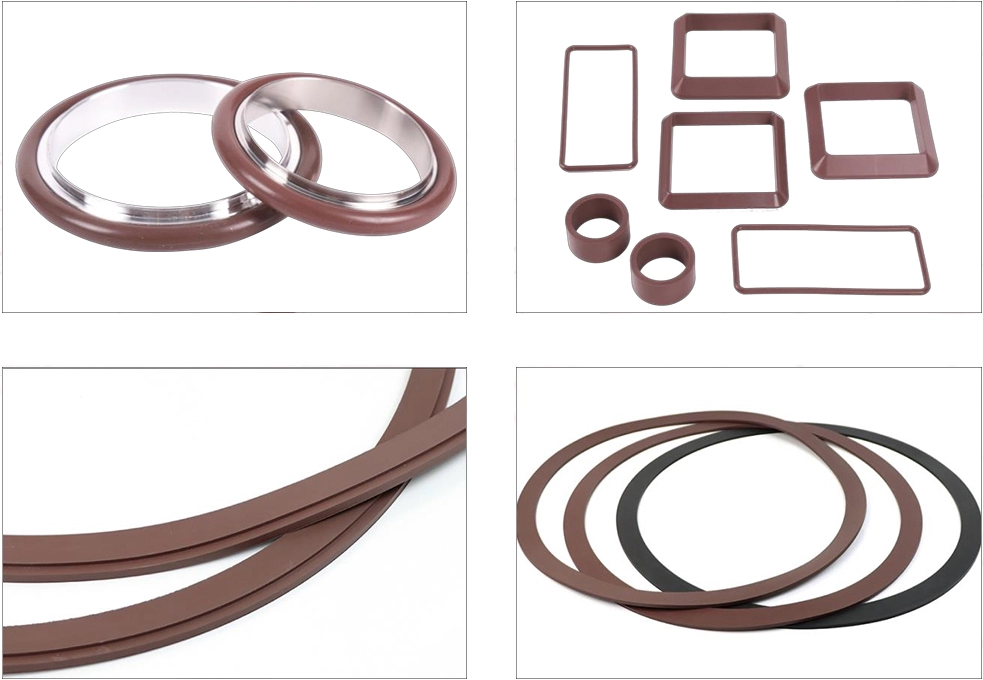
Common elastomer sealing products include:
O-rings (standard and custom profiles)
U-cup seals and U-ring seals
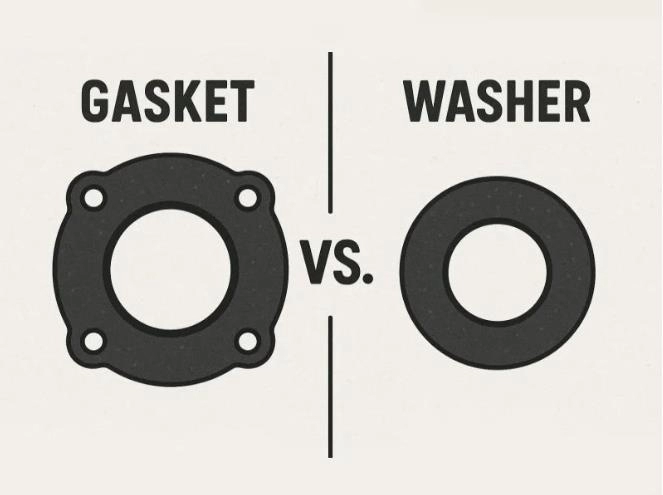
Rubber gaskets and flat washers
Diaphragms and membranes
Metal bonded rubber seals
Each type serves a different purpose, and selecting the wrong geometry can be just as problematic as choosing the wrong material.
Before selecting any seal, you need a clear understanding of where and how it will be used.
Different elastomers perform differently under temperature extremes:
Silicone performs well in very high and low temperatures
FKM (Viton) handles high heat and aggressive chemicals
NBR is suitable for moderate temperatures with oil exposure
High-pressure environments, such as hydraulic systems, require seals with strong mechanical properties and resistance to deformation.
Exposure to oils, solvents, acids, or gases requires materials with proven chemical resistance. For example:
FKM for aggressive chemicals
EPDM for water and steam
HNBR for oil and gas applications
Static sealing: less wear, more focus on compression set
Dynamic sealing: requires wear resistance and flexibility
Material selection is often the most critical decision. Below are commonly used elastomers and their typical applications:
Widely used in automotive and hydraulic systems due to its oil resistance and cost efficiency.
Suitable for high-temperature and chemically aggressive environments, often found in aerospace and chemical processing.
Ideal for outdoor use, water systems, and weather resistance.
Preferred in medical, food-grade, and high-temperature environments.
Used in demanding applications such as semiconductor manufacturing and high-end industrial systems where performance requirements are extreme.
Different industries impose unique challenges on sealing solutions.
Requires ultra-clean materials with low particle generation and excellent chemical resistance. Precision molding is essential.
Seals must withstand long-term UV exposure, temperature cycling, and outdoor conditions.
Seals are exposed to vibration, heat, oils, and increasingly, electrical environments in battery systems.
High pressure and continuous motion demand durable and wear-resistant seals.
Strict requirements for biocompatibility, hygiene, and sterilization resistance must be met.
Choosing a sealing solution without considering industry-specific standards can lead to compliance issues and product failure.
Even with the right material and design, poor manufacturing can compromise performance.
Precision molding capabilities
Consistent dimensional tolerances
Surface finish quality
Batch-to-batch consistency
Processes such as compression molding and injection molding should be selected based on the complexity and volume of your components.
A manufacturer with a strong R&D background can also help optimize designs for better performance and longer lifespan.
Standard seals are suitable for general applications, but many industries require custom-designed components.
Unique equipment designs
Extreme operating conditions
Space constraints
Specialized performance requirements
Custom OEM and ODM solutions allow for precise material formulation, geometry design, and performance tuning.
To explore a range of customizable sealing products, you can visit this
<a href="https://www.haosealtech.com/product/">elastomer sealing solutions page</a> for more detailed options and specifications.
Choosing the right supplier is just as important as choosing the right product. Guangdong Haoou Sealing Technology Co., Ltd. has been dedicated to elastomer sealing solutions since 2010, focusing on both innovation and practical application.
As a professional sealing solution supplier, the company was founded by experts with extensive experience in research, development, and manufacturing of various rubber seals. Over the years, it has built strong capabilities in serving industries such as:
Photovoltaic equipment
Semiconductor equipment
Inkjet marking systems
Automotive and new energy vehicles
Hydraulic and pneumatic systems
Medical and sanitary applications
With an in-house R&D center, Guangdong Haoou Sealing Technology Co., Ltd. continuously improves production processes and material performance. This ensures that customers receive solutions tailored to real-world operating challenges rather than generic products.
When selecting elastomer sealing solutions, businesses often encounter these common pitfalls:
Ignoring long-term environmental exposure
Choosing materials based solely on cost
Overlooking compatibility with chemicals or gases
Using standard seals in highly specialized applications
Failing to consult experienced manufacturers
Avoiding these mistakes can significantly improve system reliability and reduce maintenance costs.
To get the most out of your sealing solutions:
Always test seals under actual operating conditions
Work closely with suppliers during the design phase
Maintain proper installation and handling procedures
Schedule regular inspection and replacement cycles
Document performance data for continuous improvement
Choosing the right elastomer sealing solution requires a balance of material science, engineering design, and real-world application knowledge. By carefully evaluating operating conditions, material properties, manufacturing quality, and supplier capabilities, businesses can significantly improve equipment reliability and performance.
As industries continue to demand higher efficiency and durability, working with an experienced partner like Guangdong Haoou Sealing Technology Co., Ltd. ensures that your sealing solutions are not only technically sound but also tailored to your specific needs.