
2026/03/06
Sealing Ring Design Considerations for Industrial Equipment


Automotive seals are essential components that protect vehicle systems from leakage, contamination, pressure loss, and premature wear. Yet seal failure remains one of the most common causes of unexpected maintenance and reduced equipment reliability. Understanding why automotive seals fail—and how to prevent it—is critical for improving vehicle performance, extending service life, and reducing operational risk.
Among modern sealing technologies, rubber O-rings remain one of the most widely adopted sealing solutions because of their flexibility, compact structure, and ability to perform across diverse environments. However, even high-quality seals can fail if materials, design, or operating conditions are not properly matched.
At HaO Seal Technology Co.,Ltd, precision-engineered rubber sealing solutions are developed to deliver reliable performance across automotive, industrial, and advanced manufacturing applications.
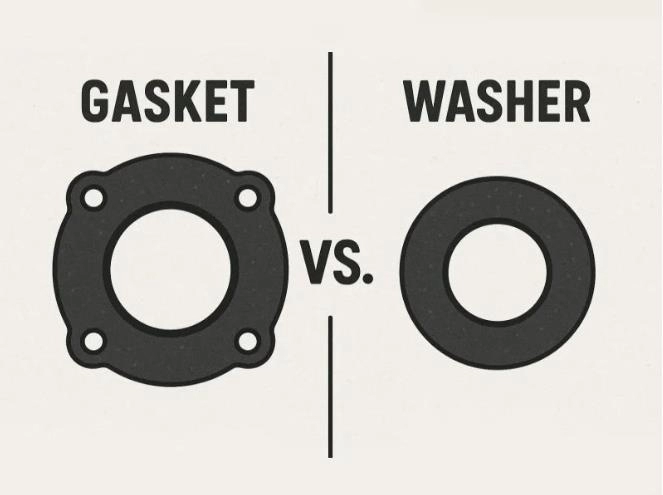
Seals may be relatively small components, but their impact is significant.
A failed seal can lead to:
· Oil leakage
· Coolant contamination
· Pressure instability
· Reduced energy efficiency
· Component overheating
· Increased maintenance requirements
In modern vehicles—especially hybrid and new energy vehicles—even minor sealing issues can affect system performance and reliability.
Preventing seal failure begins with understanding its root causes.
One of the most common causes of automotive seal failure is improper material selection.
Every sealing material behaves differently when exposed to:
· Heat
· Oils and fuels
· Water and humidity
· Chemical agents
· Mechanical stress
Selecting a seal based only on dimensions while ignoring environmental conditions often results in early degradation.
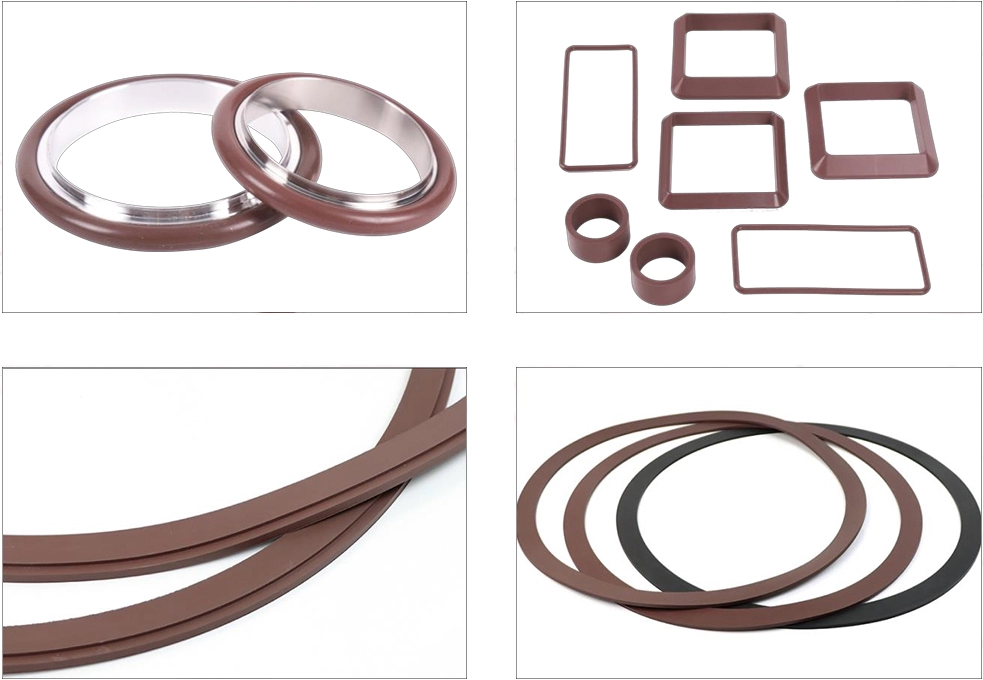
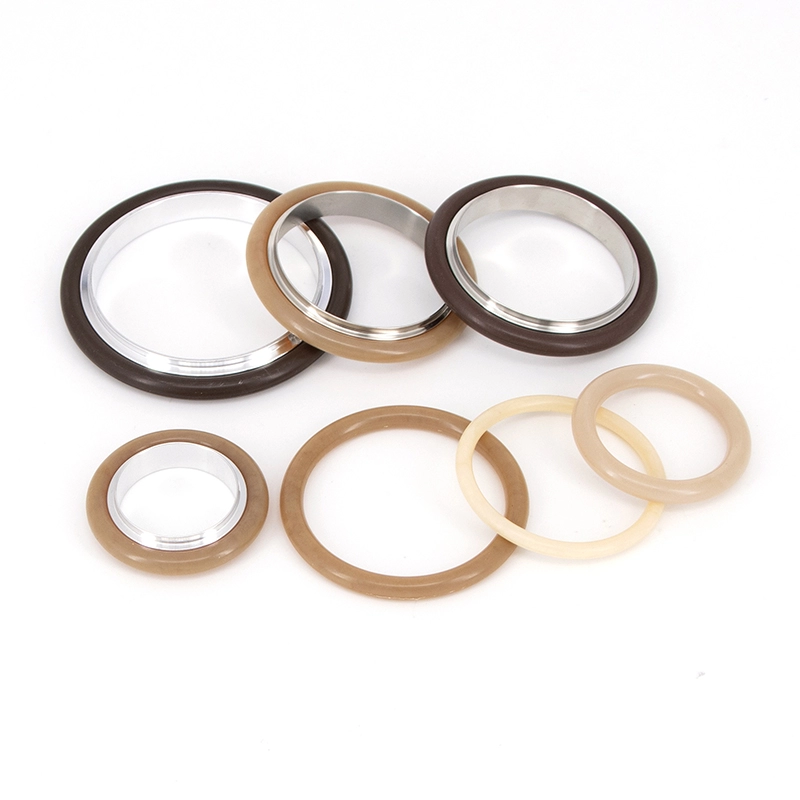
HaO Seal Technology Co.,Ltd manufactures precision rubber O-rings using multiple high-performance elastomers to support different application environments.
Suitable for:
· Oils
· Fuels
· Hydraulic systems
Ideal for:
· Water resistance
· Cooling systems
· Outdoor applications
Recommended for:
· Wide temperature environments
· Flexible sealing requirements
Excellent for:
· High temperatures
· Chemical exposure
· Engine systems
Designed for:
· Extreme industrial environments
· High chemical resistance applications
High-performance <a href="https://www.haosealtech.com/O-Ring/">rubber O-rings</a> help ensure compatibility between sealing materials and actual operating environments.
Temperature remains one of the most underestimated factors affecting seal life.
When seals operate beyond their thermal limits, common problems include:
· Hardening
· Cracking
· Shrinkage
· Compression loss
· Permanent deformation
Automotive environments increasingly expose seals to extreme temperatures.
Typical high-temperature locations include:
· Engine compartments
· Turbocharger systems
· Cooling circuits
· EV battery systems
Selecting heat-resistant compounds and evaluating real operating temperatures—not theoretical specifications—helps reduce thermal failure.
Compression set occurs when a seal cannot recover after being compressed for long periods.
This often appears as:
· Flattened O-rings
· Loss of elasticity
· Reduced sealing force
Compression set gradually creates microscopic leakage paths.
Preventive actions include:
· Selecting materials with strong elastic recovery
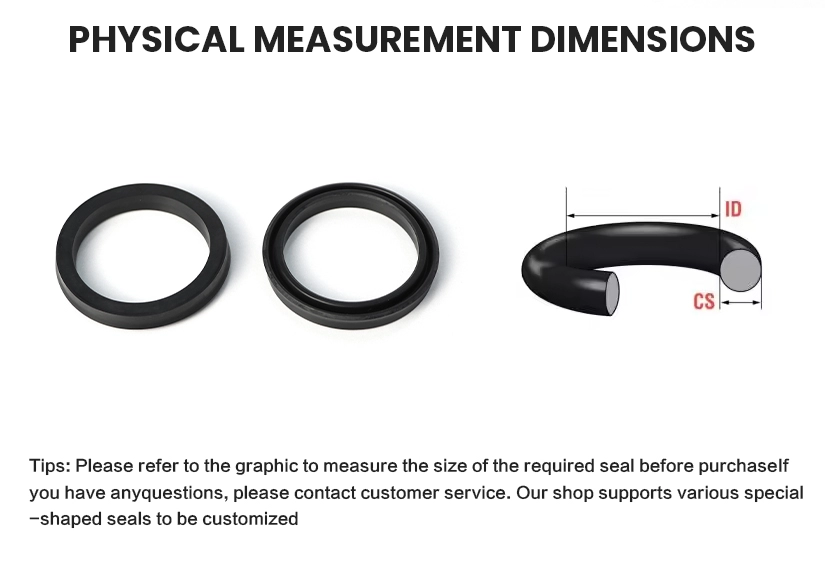
· Designing proper compression ratios
· Avoiding excessive assembly force
HaO Seal Technology Co.,Ltd continuously improves material formulations through its R&D center to enhance long-term compression performance.
Even premium sealing materials can fail due to incorrect installation.
Common installation mistakes include:
· Twisting during assembly
· Excessive stretching
· Sharp edge damage
· Contamination during installation
· Incorrect groove dimensions
These issues often remain unnoticed until the system enters operation.
Good installation practices include:
· Clean assembly surfaces
· Proper lubrication
· Controlled installation force
· Dimensional verification before assembly
Seal performance depends equally on design and installation quality.
Automotive systems involve constant contact with chemicals.
Examples include:
· Engine oil
· Transmission fluids
· Fuel additives
· Coolants
· Cleaning agents
If chemical compatibility is overlooked, seals may experience:
· Swelling
· Softening
· Surface cracking
· Loss of dimensional stability
Precision-manufactured <a href="https://www.haosealtech.com/O-Ring/">custom rubber O-ring solutions</a> enable engineers to select materials according to actual fluid environments.
This significantly improves sealing reliability.
Dynamic applications place additional stress on seals.
Continuous movement can generate:
· Friction
· Abrasion
· Surface fatigue
Typical dynamic automotive applications include:
· Steering systems
· Hydraulic components
· Suspension systems
· Rotating shafts
Preventive measures include:
· Selecting wear-resistant compounds
· Optimizing contact surfaces
· Reducing unnecessary friction
Precision manufacturing becomes increasingly important in dynamic sealing environments.
External environmental conditions also influence seal performance.
Long-term exposure to:
· UV radiation
· Ozone
· Dust
· Moisture
· Temperature cycling
can accelerate aging.
Materials such as EPDM and Silicone provide stronger environmental resistance for exposed automotive applications.
Evaluating environmental conditions during product development helps avoid premature failure.
Reducing seal failure requires a systematic approach.
Recommended practices include:
Evaluate temperature, pressure, movement, and media exposure.
Match elastomer properties to application requirements.
Review groove geometry and compression rates.
Dimensional consistency improves long-term reliability.
Engineering support reduces selection risks.
Automotive sealing performance is no longer determined by material alone.
Reliable manufacturers combine:
· Material development
· Precision production
· Quality inspection
· Application engineering
Founded in 2010, HaO Seal Technology Co.,Ltd has grown into a specialized manufacturer of rubber seals and sealing solutions.
Supported by experienced R&D teams and advanced production capability, the company serves industries including:
· Automotive & NEV
· Photovoltaic equipment
· Semiconductor equipment
· Inkjet marking equipment
· Hydraulic & pneumatic systems
· Medical & sanitary industries
Continuous investment in technology and manufacturing improvement enables more stable and application-focused sealing performance.
Automotive seal failures rarely happen because of a single factor. In most cases, failure results from a combination of material mismatch, excessive heat, installation issues, chemical exposure, and long-term mechanical stress.
Understanding these root causes allows manufacturers and engineers to make better decisions during product selection and system design.
With precision-engineered rubber O-rings, optimized materials, and reliable manufacturing support, automotive systems can achieve longer service life, improved efficiency, and greater operational stability.