
2026/08/26
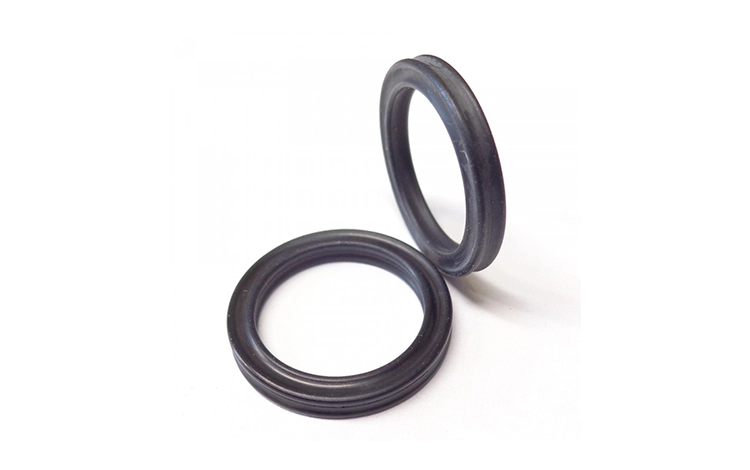
How Do Hydraulic V-Ring Seals Improve Equipment Lifespan and Performance?


Silicone rubber seals and EPDM rubber seals are two of the most commonly used sealing materials across industrial manufacturing, automotive systems, medical equipment, and hydraulic applications. Choosing the correct material directly impacts sealing reliability, operating lifespan, and equipment safety. For engineers and procurement teams, understanding the key differences between silicone and EPDM helps optimize performance under different environmental conditions.
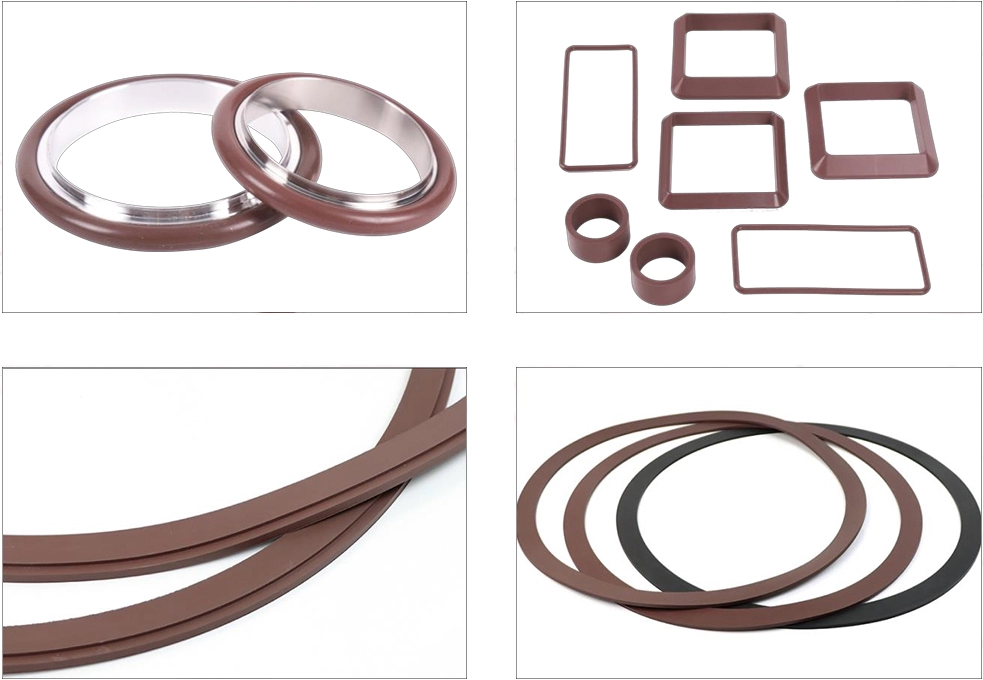
As a professional sealing solution manufacturer in China, HaO Seal Technology Co.,Ltd provides customized rubber sealing products for industries including semiconductor equipment, photovoltaic systems, automotive & NEV, hydraulic machinery, medical devices, and industrial automation. The company specializes in precision-engineered sealing solutions with advanced material technologies and strict quality control standards.
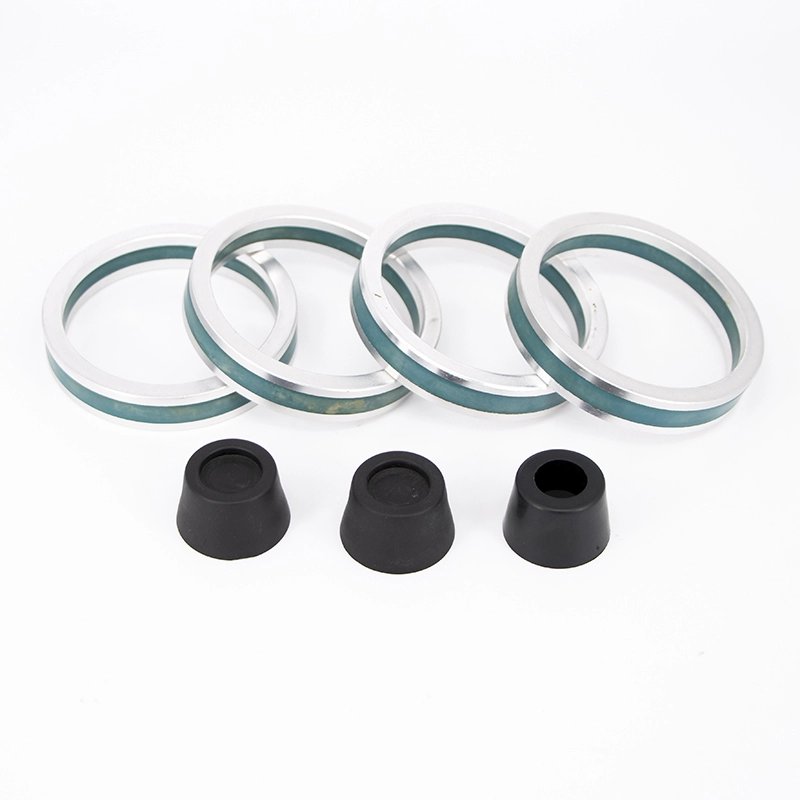
<a href="https://www.haosealtech.com/metal-bonded-rubber-seals/">Silicone rubber seals</a> are widely recognized for their excellent temperature resistance, flexibility, and weather stability. Silicone materials can maintain elasticity under both extremely low and high temperatures, making them suitable for sensitive industrial environments.
Typical silicone sealing applications include:
· Medical and sanitary equipment
· Food processing systems
· Electronic devices
· Automotive sealing systems
· High-temperature industrial machinery
One major advantage of silicone seals is their broad temperature capability. Depending on material formulation, silicone seals can operate from -60°C to +320°C. This makes them ideal for applications exposed to thermal cycling or outdoor environments.
In addition, silicone materials offer excellent UV resistance, ozone resistance, and aging stability. These characteristics help reduce material cracking and hardening over time.
<a href="https://www.haosealtech.com/metal-bonded-rubber-seals/">EPDM rubber seals</a> are widely used in water, steam, and outdoor sealing environments due to their outstanding resistance to weathering and chemicals. EPDM performs especially well in applications involving hot water, brake fluids, and environmental exposure.
Common EPDM sealing applications include:
· HVAC systems
· Water treatment equipment
· Outdoor electrical enclosures
· Automotive weather seals
· Hydraulic and pneumatic systems
EPDM materials provide excellent resistance to:
· Ozone and UV exposure
· Steam and hot water
· Diluted acids and alkalis
· Aging and environmental degradation
However, EPDM is generally not recommended for applications involving petroleum oils or fuels.
Silicone seals outperform EPDM in extreme temperature conditions, particularly in high-temperature applications.
· Silicone: -60°C to +320°C
· EPDM: Typically -40°C to +150°C
For semiconductor equipment, medical devices, and high-heat industrial systems, silicone is often preferred.
EPDM offers excellent resistance to water, steam, and many chemicals, while silicone performs better in clean and high-purity environments.
EPDM is ideal for:
· Water-based systems
· Outdoor environments
· Steam applications
Silicone is ideal for:
· Food-grade applications
· Medical equipment
· Sensitive electronic systems
Silicone materials maintain excellent flexibility even under low temperatures and prolonged compression. This allows silicone O-rings and seals to maintain stable sealing performance over extended operating cycles.
EPDM also offers good elasticity but is generally selected more for weather resistance and water compatibility.
The choice between silicone and EPDM depends heavily on the working environment.
Silicone is commonly selected for:
· Medical and sanitary industries
· Semiconductor equipment
· High-temperature sealing systems
EPDM is widely used for:
· Outdoor sealing systems
· Water and steam equipment
· Automotive weather stripping
Established in 2010, HaO Seal Technology Co.,Ltd has become a trusted manufacturer and supplier of industrial rubber seals and customized sealing solutions. Supported by an experienced R&D center, the company continuously improves its production technologies and material performance to meet evolving industrial requirements.
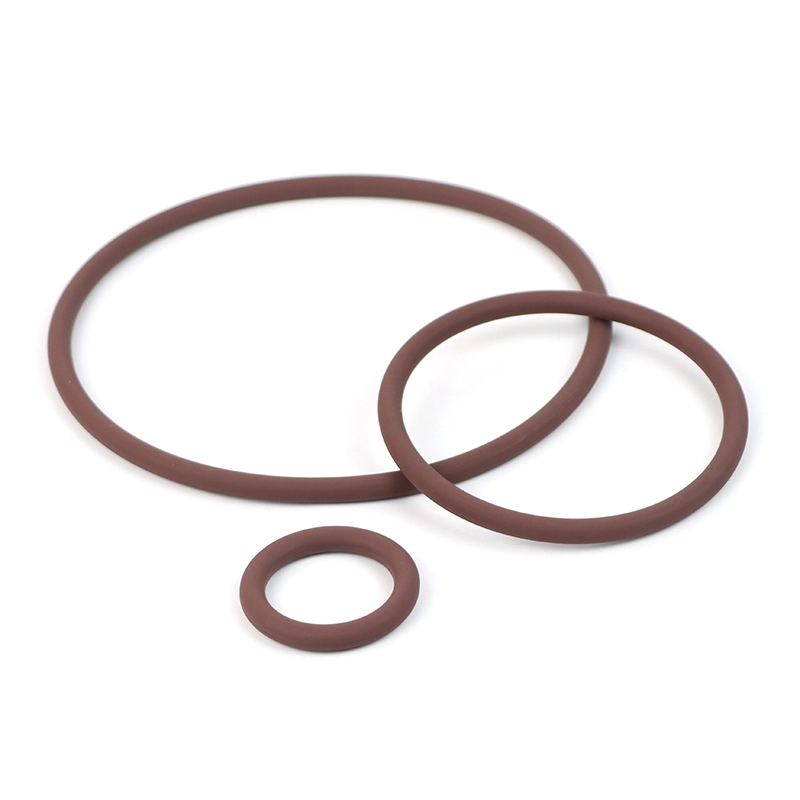
HaO Seal Technology supplies precision rubber O-rings and sealing components manufactured from high-quality elastomers including:
· <a href="https://www.haosealtech.com/metal-bonded-rubber-seals/">NBR</a>
· <a href="https://www.haosealtech.com/metal-bonded-rubber-seals/">EPDM</a>
· Silicone
· FKM (Viton®)
· FFKM
· PTFE
· HNBR
The company also offers 316 stainless steel bonded silicone pad sealing solutions designed for harsh industrial environments requiring both chemical resistance and structural durability.
Available specifications include:
· Hardness: 20–90 Shore A
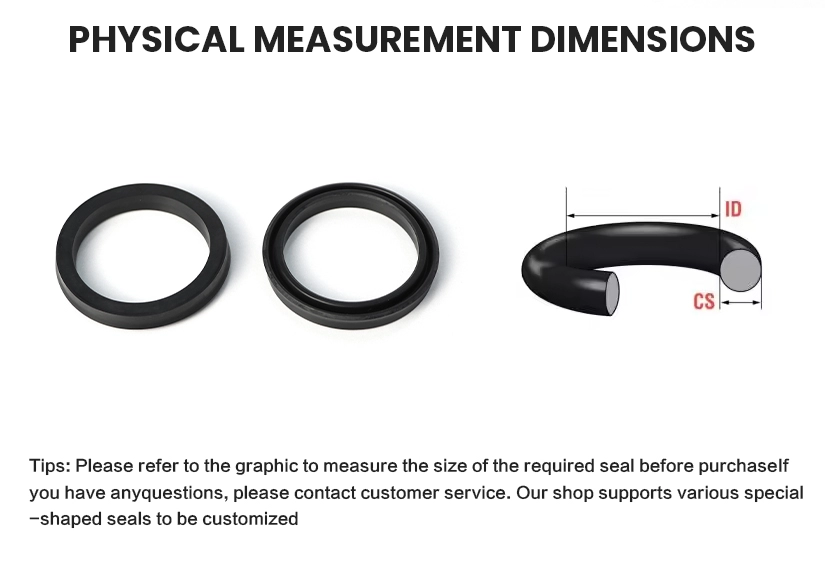
· Standards: AS568, ISO 3601, JIS B 2401
· Customized dimensions and material formulations
With advanced manufacturing capabilities and strict quality inspection systems, HaO Seal Technology delivers reliable sealing products for global industrial customers seeking long-term sealing performance and stable supply support.