
2025/12/30
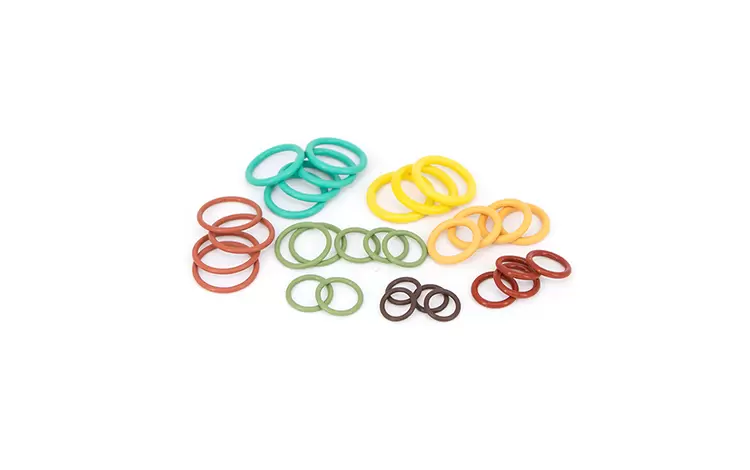
Choosing the Right Colorful Rubber O-Ring: A Guide to Materials & Performance


Dynamic sealing is one of the most critical challenges in hydraulic and pneumatic systems. Unlike static seals, dynamic seals must maintain sealing integrity while components move under pressure, vibration, and temperature fluctuations. Among various sealing solutions, rubber X-rings have emerged as a reliable and high-performance alternative to traditional O-rings, especially in demanding industrial environments.
This article explores the advantages of rubber X-rings in dynamic sealing applications, their material options, performance characteristics, and why they are widely used in hydraulic and pneumatic equipment.
Rubber X-rings are elastomeric sealing components with an “X”-shaped cross-section. This geometry provides four sealing lips instead of two, which significantly improves sealing performance in dynamic applications. Compared with conventional O-rings, X-rings offer better lubrication retention, reduced friction, and improved stability during reciprocating or rotary motion.
In advanced designs, X-rings can also be manufactured as metal bonded rubber seals, where rubber is vulcanized or chemically bonded to a metal insert. This structure combines the elasticity of rubber with the strength and dimensional stability of metal.
Hydraulic and pneumatic systems operate under conditions that place continuous stress on sealing elements:
Repeated reciprocating or rotary motion
High internal pressure
Vibration and mechanical shock
Wide temperature fluctuations
Exposure to oils, compressed air, or aggressive media
In these environments, sealing failure often results from extrusion, twisting, wear, or loss of elasticity. Rubber X-rings are designed specifically to mitigate these risks.
The X-shaped profile creates multiple sealing contact points, allowing the seal to adapt more effectively to pressure changes and surface imperfections. This reduces the risk of leakage, especially in dynamic motion where traditional O-rings may roll or twist.
Unlike O-rings, which can generate high friction in dynamic applications, X-rings maintain stable contact with the sealing surface. The profile helps distribute pressure evenly and retain lubrication, reducing wear on both the seal and the mating surfaces.
This results in:
Longer service life
Lower maintenance frequency
Reduced risk of seal failure during continuous operation
When bonded to a metal insert, rubber X-rings become metal bonded rubber seals, offering enhanced resistance to deformation under high pressure. The metal core provides structural support, while the rubber layer ensures effective sealing and vibration damping.
This makes them ideal for hydraulic cylinders, pumps, valves, and pneumatic actuators operating under fluctuating loads.
Rubber X-rings can be produced using different elastomers to suit various temperature ranges. Depending on the rubber type, operating temperatures can range from -60°C to +320°C, allowing reliable performance in both low-temperature pneumatic systems and high-temperature hydraulic or industrial environments.
Material selection is critical to sealing performance. Common rubber materials include:
NBR (Nitrile Rubber): Suitable for hydraulic oils and general industrial applications
EPDM: Excellent resistance to water, steam, and weathering
Silicone: Ideal for low-temperature flexibility and clean applications
FKM (Viton): Strong resistance to heat, oils, and chemicals
FFKM: Designed for extreme temperatures and aggressive chemical environments
For added strength and dimensional stability, rubber can be bonded with stainless steel, carbon steel, or aluminum, depending on application requirements.
Rubber X-rings are available in a wide hardness range, typically 40–95 Shore A, allowing engineers to balance flexibility, sealing force, and wear resistance.
Custom options include:
Special cross-section designs
Customized thicknesses and dimensions
Tailored rubber-to-metal bonding structures
Application-specific compound formulations
This flexibility makes X-rings suitable for both standard equipment and specialized machinery.
In modern industrial applications, regulatory compliance is often mandatory. High-quality rubber X-rings can be manufactured to meet:
RoHS
REACH
FDA
UL
These certifications ensure that seals are suitable for use in regulated industries such as food processing, medical equipment, electronics, and environmentally sensitive systems.
Rubber X-rings and metal bonded rubber seals are widely used across industries, including:
Hydraulic cylinders and pumps
Pneumatic actuators and valves
Automotive braking systems
Shock absorbers and engine mounts
Compressors and fluid control equipment
Beyond hydraulics and pneumatics, they also play important roles in:
Oil and gas pipelines
HVAC systems
Electronic housings
Industrial machinery
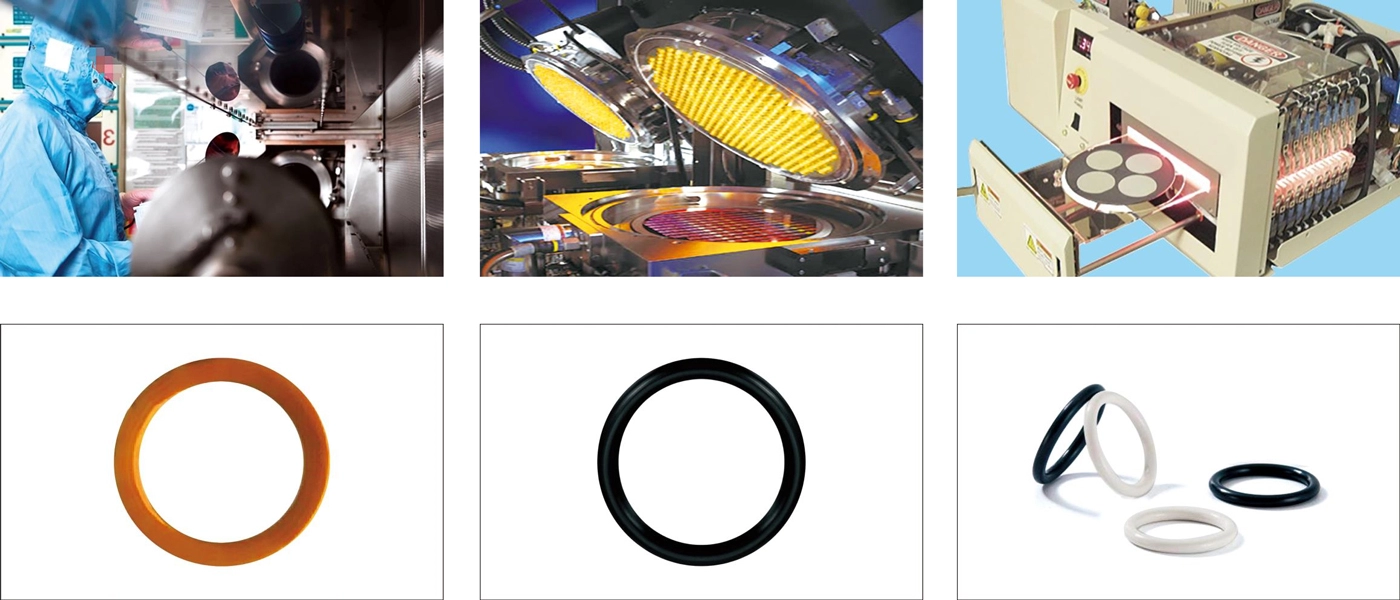
In semiconductor and precision instruments, these seals help ensure contamination-free and high-purity sealing, where even minor leakage or particle generation is unacceptable.
While O-rings remain widely used, X-rings are increasingly specified for dynamic applications because they:
Reduce the risk of twisting and extrusion
Offer better lubrication retention
Provide more stable sealing under motion
Deliver longer operational life
For systems where downtime is costly or safety is critical, these advantages make a significant difference.
Manufacturers offering advanced rubber X-rings and metal bonded rubber seals provide solutions tailored to real operating conditions rather than generic specifications. A wide range of materials, bonding options, and custom designs are available to support diverse industrial needs.
You can explore detailed product options and sealing solutions at
rubber sealing products.
Rubber X-rings offer clear advantages in dynamic sealing for hydraulic and pneumatic equipment. Their unique geometry, material versatility, and ability to integrate with metal inserts make them a robust solution for high-pressure, high-vibration, and temperature-variable environments.
For engineers and equipment manufacturers seeking reliable, long-lasting sealing performance, rubber X-rings represent a practical and proven choice that goes beyond traditional sealing designs.