
2026/05/25
What Types of Automotive Seals Are Used in Modern Vehicles?


Automotive seals vs acid resistant seals are often compared in industrial applications where performance, durability, and environmental resistance are critical. Although both types of seals are designed to prevent leakage and protect systems, their material selection, structural design, and application environments differ significantly. Understanding these differences is essential for engineers, procurement teams, and manufacturers seeking reliable sealing solutions.
As a professional sealing solution supplier, HaO Seal Technology Co., Ltd provides a wide range of rubber seals tailored to industries such as automotive, new energy vehicles (NEVs), semiconductors, photovoltaics, and hydraulic systems. With strong R&D capabilities and advanced production technology, the company delivers solutions that meet diverse operational requirements.
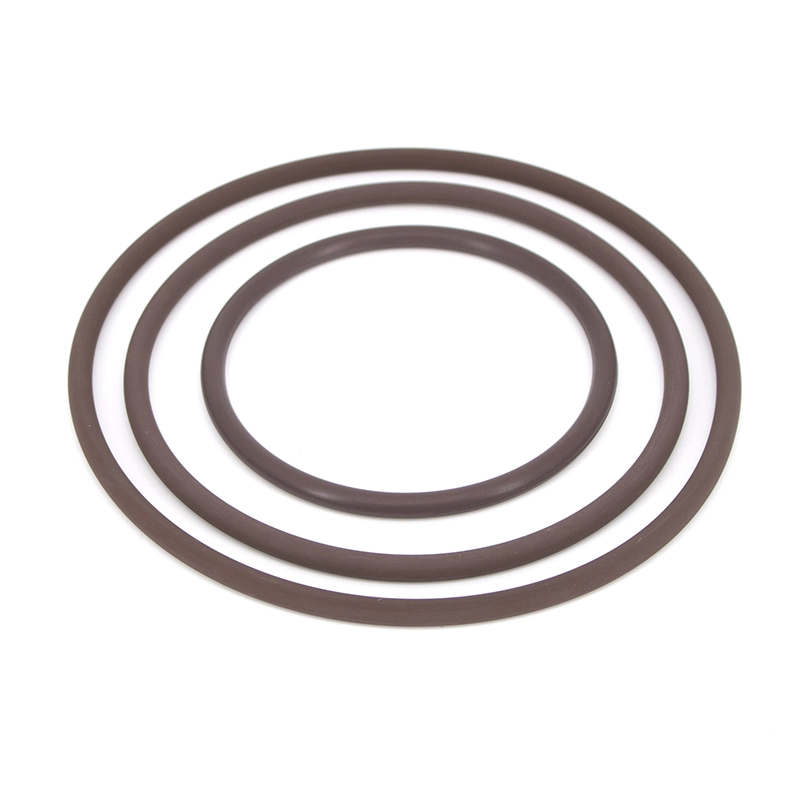
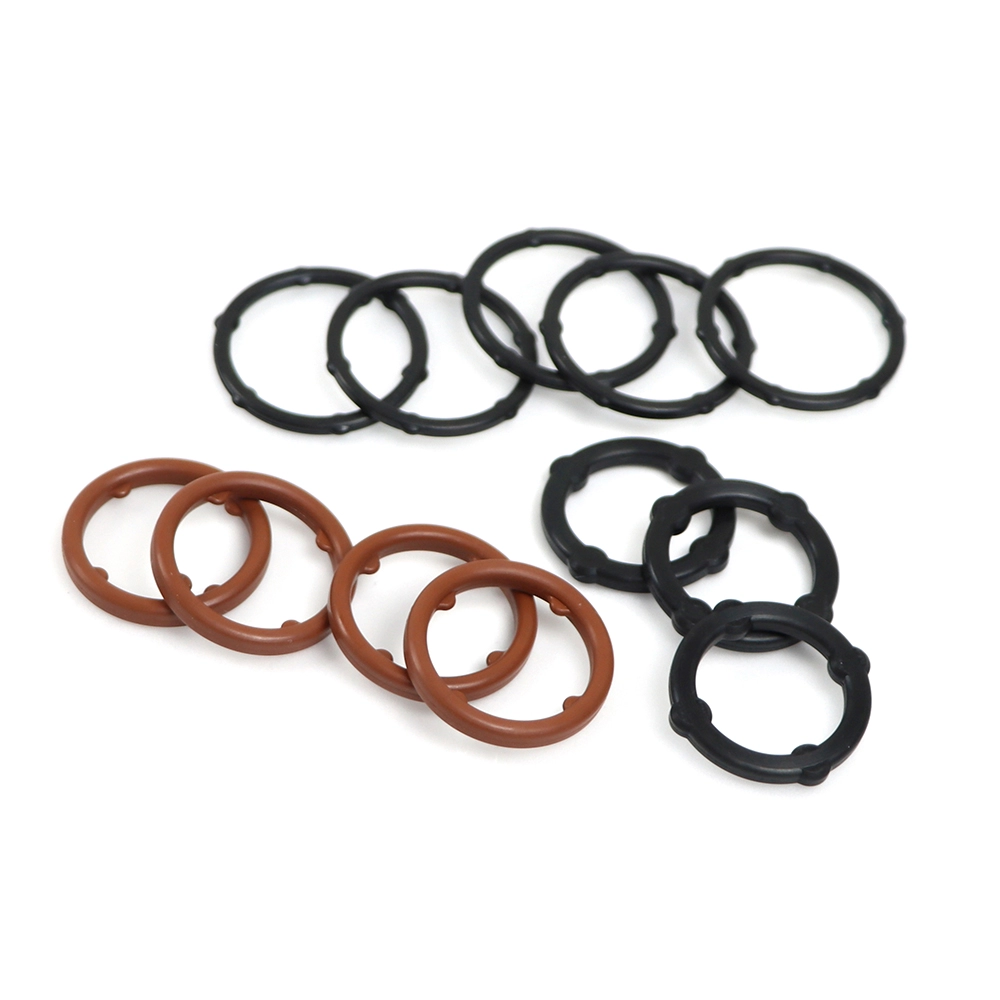
Automotive seals are specifically designed for vehicles and transportation systems. Their primary function is to ensure system integrity by preventing leakage of fluids such as oil, coolant, and fuel, while also blocking dust, water, and noise.
Typical automotive seal applications include:
· Engine systems
· Transmission systems
· Brake systems
· Cooling systems
· Electric vehicle battery modules
Automotive seals must operate under dynamic conditions, including vibration, temperature fluctuations, and continuous motion. Therefore, they are engineered for flexibility, fatigue resistance, and long-term reliability.
Acid-resistant seals are developed for harsh chemical environments where exposure to acids, alkalis, and solvents is common. These seals are widely used in:
· Chemical processing equipment
· Semiconductor manufacturing systems
· Photovoltaic production lines
· Medical and sanitary applications
Their primary focus is chemical stability and corrosion resistance rather than mechanical motion performance. Materials used in acid-resistant seals are selected to withstand aggressive media without degradation.
Understanding the differences between these two seal types helps in selecting the right solution for specific applications.
· Automotive seals operate in dynamic systems with mechanical movement and temperature variation.
· Acid-resistant seals function in static or semi-static environments with strong chemical exposure.
· Automotive seals prioritize elasticity, fatigue resistance, and thermal stability.
· Acid-resistant seals emphasize chemical resistance and long-term material stability.
· Automotive seals focus on vibration resistance, noise reduction, and fluid retention.
· Acid-resistant seals focus on corrosion protection and chemical compatibility.
· Automotive seals often require complex geometries for dynamic sealing.
· Acid-resistant seals typically use simpler designs but require advanced material formulations.
Hydraulic seals represent an important category that shares characteristics with both automotive and industrial sealing solutions. In hydraulic systems, seals must withstand pressure, fluid exposure, and mechanical movement.
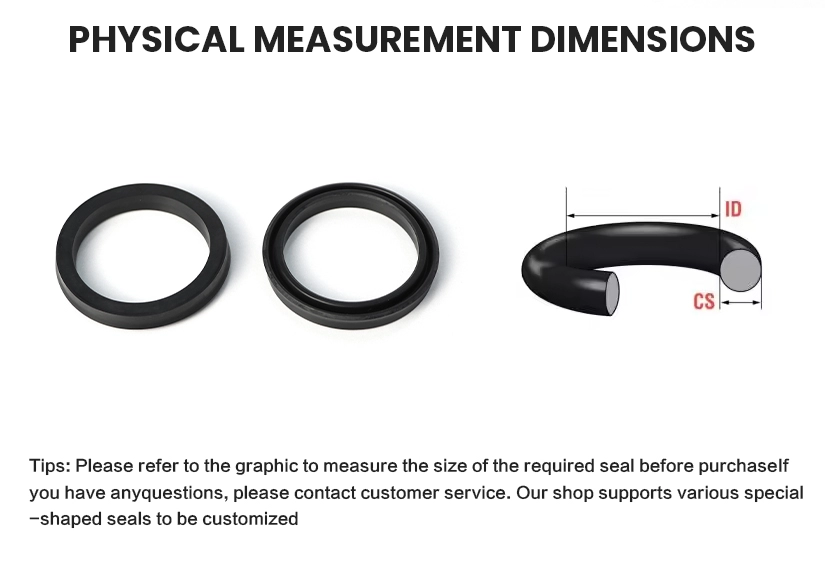
UNS piston and rod seals are a typical example. These seals feature:
· Wide cross-section design
· Asymmetrical U-shaped structure
· Equal lip height for piston and rod applications
They are widely used in hydraulic cylinders, especially in low-pressure systems. Their ability to function as both piston and rod seals simplifies system design and improves sealing reliability.
Rod and piston seals are critical in preventing hydraulic fluid leakage. Any failure in these components can reduce system efficiency and potentially lead to environmental risks.
For more information on hydraulic seal types and configurations, you can explore
<a href="https://www.haosealtech.com/products-491/">hydraulic seal products and applications</a>.
Polyurethane (PU) is widely used in hydraulic and automotive sealing applications due to its balanced performance characteristics.
Key benefits of PU include:
· High wear and abrasion resistance
· Strong tear strength
· Excellent load-bearing capacity
· Superior impact resistance
Compared to traditional rubber, PU offers longer service life and better performance in demanding conditions. It can also replace certain plastic and metal components, reducing weight and improving efficiency.
In industrial environments, PU is used in:
· Wear plates
· Conveyor rollers
· Bearings and mechanical supports
These applications highlight its versatility and durability.
Sealing materials must perform under defined operating conditions. For PU-based seals, typical parameters include:
· Pressure: ≤31.5 MPa
· Temperature: -35°C to +110°C
· Speed: ≤0.5 m/s
· Media: Mineral oil-based hydraulic fluids
These specifications demonstrate the capability of PU seals to handle demanding hydraulic environments while maintaining performance stability.
Whether used in automotive or chemical environments, high-quality seals provide several key benefits:
Enhanced Durability
Improved wear resistance extends service life and reduces maintenance frequency.
Stable Performance Under Stress
Resistance to pressure peaks and mechanical loads ensures reliability.
Improved System Efficiency
Effective sealing reduces energy loss and improves operational performance.
Ease of Installation
Optimized designs simplify assembly and maintenance processes.
Automotive seals and acid-resistant seals are used across a wide range of industries:
· Automotive and NEV systems requiring dynamic sealing
· Chemical processing systems exposed to corrosive media
· Semiconductor and photovoltaic equipment
· Hydraulic and pneumatic systems
· Medical and sanitary equipment
Each application requires a tailored sealing solution based on environmental and operational demands.
Standard products may not meet all application requirements. Customized sealing solutions are often necessary for:
· Unique chemical exposure conditions
· Non-standard equipment designs
· Extreme temperature or pressure environments
HaO Seal Technology Co., Ltd provides customized solutions supported by its R&D center, ensuring that each product meets specific application needs.
Selecting the wrong type of seal can lead to:
· Premature failure
· Increased maintenance costs
· Reduced system efficiency
· Safety risks in critical applications
By understanding the differences between automotive seals and acid-resistant seals, manufacturers can make informed decisions that improve overall system performance.
Automotive seals and acid-resistant seals serve different but equally important roles in industrial and engineering applications. While automotive seals are designed for dynamic environments with mechanical stress, acid-resistant seals focus on chemical stability and corrosion protection.
Hydraulic seals, particularly PU-based piston and rod seals, bridge these applications by offering both mechanical durability and fluid resistance. With advanced materials, precision manufacturing, and strong engineering support, HaO Seal Technology Co., Ltd provides reliable sealing solutions tailored to diverse industry needs.