
2026/06/08
How Are Automotive Seals Tested for Quality and Performance?


In today’s industrial landscape, one-size-fits-all solutions are becoming less viable. As equipment becomes more sophisticated and operating conditions more demanding, the demand for custom OEM rubber sealing parts is growing rapidly. These specialized components are critical for ensuring reliability, efficiency, and long-term performance across a wide range of applications—from automotive and new energy vehicles (NEV) to semiconductor manufacturing and medical devices.
This article explores the current trends shaping the future of custom OEM rubber seals, practical considerations for businesses, and how partnering with an experienced supplier can drive innovation and operational excellence.
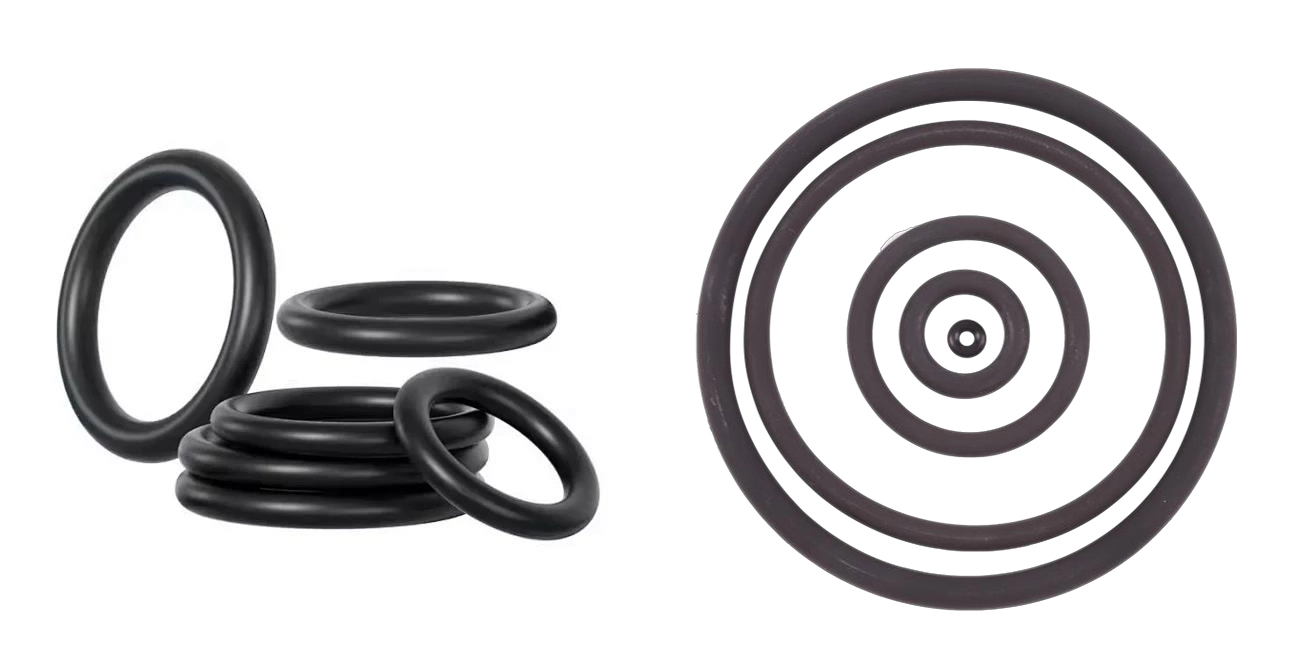
OEM (Original Equipment Manufacturer) rubber sealing parts are components designed specifically to fit the unique requirements of a particular system or piece of equipment. Unlike standard seals, these parts are tailored in terms of material, geometry, and performance characteristics to meet stringent industrial standards.
Key features of custom OEM seals include:
Material formulations optimized for specific operating conditions
Unique geometries and profiles for specialized equipment
Performance enhancements for chemical resistance, temperature extremes, and mechanical stress
Compliance with industry-specific standards
Custom OEM seals are essential for applications where off-the-shelf components cannot provide the necessary durability, reliability, or precision.
Modern industrial systems are more complex than ever, featuring high-pressure hydraulics, precision pneumatics, advanced photovoltaic setups, and semiconductor fabrication tools. Standard seals often fail to meet the precise tolerances required for these applications, creating a need for customized solutions that can withstand extreme operational conditions.
Equipment downtime is costly. Custom OEM seals can be designed to maintain performance over extended periods, resisting chemical degradation, thermal cycling, and mechanical wear. This reliability reduces maintenance requirements and improves overall operational efficiency.
Different industries impose unique requirements on sealing solutions:
Automotive and NEV: Seals must endure vibration, heat, and exposure to oils, coolants, and electrical environments.
Semiconductor Equipment: Components must be ultra-clean, chemically resistant, and maintain tight tolerances to prevent contamination.
Medical and Sanitary Equipment: Biocompatibility, sterilization resistance, and hygiene compliance are critical.
Photovoltaic Systems: Long-term exposure to UV light, temperature fluctuations, and environmental factors requires robust, weather-resistant seals.
Custom OEM solutions allow manufacturers to address these specific demands effectively.
Material selection is central to the performance of custom OEM seals. Advancements in elastomers have expanded the range of applications for which seals can be reliably used.
Common materials include:
NBR (Nitrile Rubber): Oil resistance and general industrial use
FKM (Fluorocarbon Rubber): High temperature and chemical resistance
EPDM: Weather, water, and steam resistance
Silicone: Extreme temperature applications and biocompatibility
HNBR, FVMQ, FFKM: Advanced applications requiring high performance in aggressive environments
Manufacturers are increasingly combining material science with precision engineering to create seals that outperform traditional options.
Successful OEM seal design involves more than just selecting the right material. Key factors include:
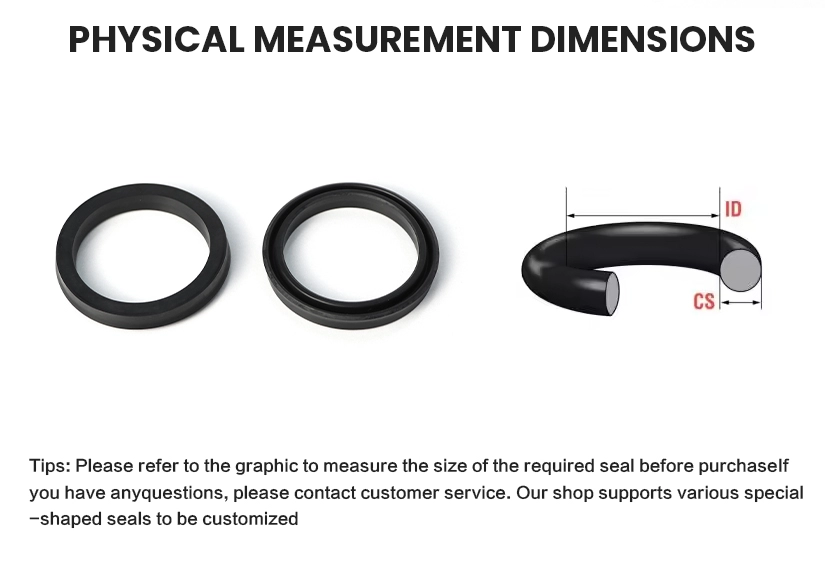
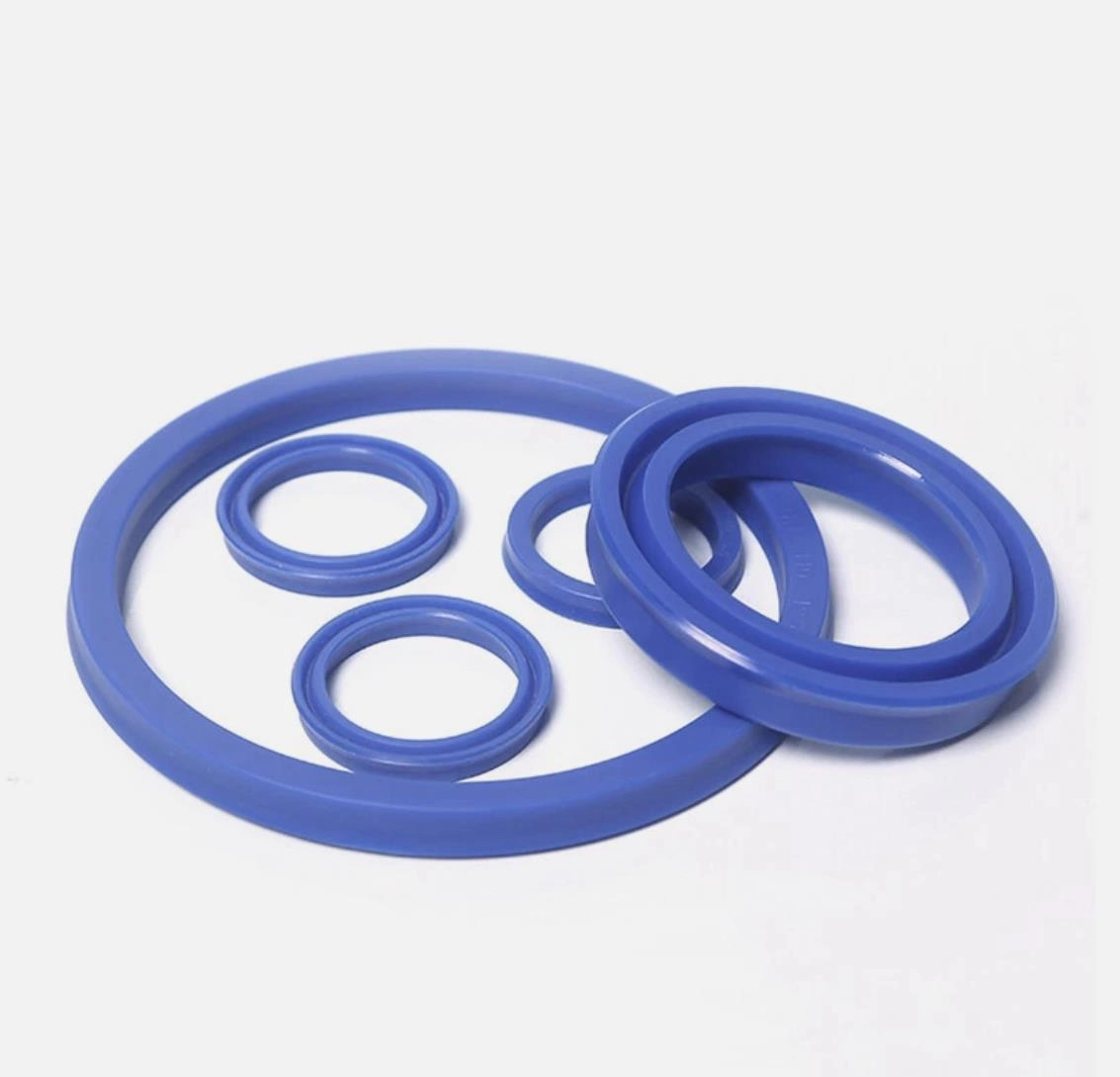
The shape and size of the seal must match the equipment precisely. Common forms include O-rings, U-cups, diaphragms, and flat gaskets. Tight tolerances ensure reliable sealing without excessive wear.
Proper compression and correct groove design are critical to maintaining sealing performance. Over-compression can damage the seal, while under-compression may lead to leakage.
Dynamic applications require seals that withstand motion, friction, and pressure fluctuations. Static applications focus on long-term compression stability.
Even with optimal material and design, poor manufacturing can compromise seal performance. High-quality OEM rubber seals rely on:
Precision molding and injection processes
Consistent batch quality
Surface finish and dimensional accuracy
Rigorous quality control
Manufacturers with dedicated R&D and advanced production capabilities, like Guangdong Haoou Sealing Technology Co., Ltd., continuously improve processes to ensure reliability and innovation.
Working with an experienced supplier provides several advantages:
Technical Expertise: Experienced teams guide material selection, design optimization, and process improvement.
Customization Capabilities: OEM and ODM solutions ensure components meet precise requirements.
Industry Insight: Suppliers with a multi-industry footprint can provide guidance on regulatory compliance and application-specific challenges.
Innovation and R&D: Continuous development of new materials, molds, and production methods improves product performance and expands possibilities.
Guangdong Haoou Sealing Technology Co., Ltd., established in 2010, has developed strong capabilities in custom OEM rubber seals. Serving industries such as photovoltaic equipment, semiconductor manufacturing, automotive and NEV, hydraulic and pneumatic systems, and medical applications, the company combines R&D expertise with advanced production lines to deliver reliable, tailored sealing solutions. For businesses exploring precision-engineered rubber components, a detailed view of their offerings can be found on their
<a href="https://www.haosealtech.com/product/">custom OEM rubber sealing solutions page</a>.
Automation reduces variability, improves precision, and allows for higher-volume production of complex components.
Advanced seals may incorporate sensors or be part of smart systems to monitor pressure, temperature, or leakage in real time, enhancing predictive maintenance capabilities.
Eco-friendly elastomers and recycling initiatives are becoming a consideration in industrial manufacturing, aligning performance with environmental responsibility.
Suppliers and manufacturers are increasingly co-developing seals to optimize performance and reduce time-to-market for specialized equipment.
Conduct a detailed analysis of operating conditions, including pressure, temperature, and chemical exposure
Define industry-specific requirements for compliance and performance
Partner with suppliers who offer both R&D support and precision manufacturing
Consider long-term reliability and maintenance implications during selection
Evaluate custom designs for fit, performance, and lifecycle performance before full-scale implementation
Custom OEM rubber sealing parts are becoming more critical as industries demand higher reliability, precision, and longevity. By focusing on advanced materials, precision engineering, and collaboration with experienced suppliers, businesses can ensure that their equipment operates efficiently and reliably.
Guangdong Haoou Sealing Technology Co., Ltd. exemplifies this approach by combining R&D expertise, industry knowledge, and advanced manufacturing capabilities to deliver tailored OEM sealing solutions. As industrial challenges evolve, custom OEM rubber seals will continue to be a cornerstone of innovation, efficiency, and performance.