
2026/04/10
Automotive Seals Supplier Guide: Choosing High-Quality Sealing Solutions


Rubber seals play an important role in protecting industrial equipment from fluid leakage, dust, moisture, and external contaminants. For manufacturers and equipment suppliers, choosing a reliable custom rubber seals manufacturer in China is not simply about finding a supplier that can produce rubber components. It is about finding a manufacturing partner that understands application requirements, material performance, dimensional tolerances, and long-term product consistency. Hao Seal Technology Co., Ltd. provides customized rubber sealing products and OEM solutions for different industrial applications, helping customers develop sealing components according to their drawings, samples, and technical specifications.
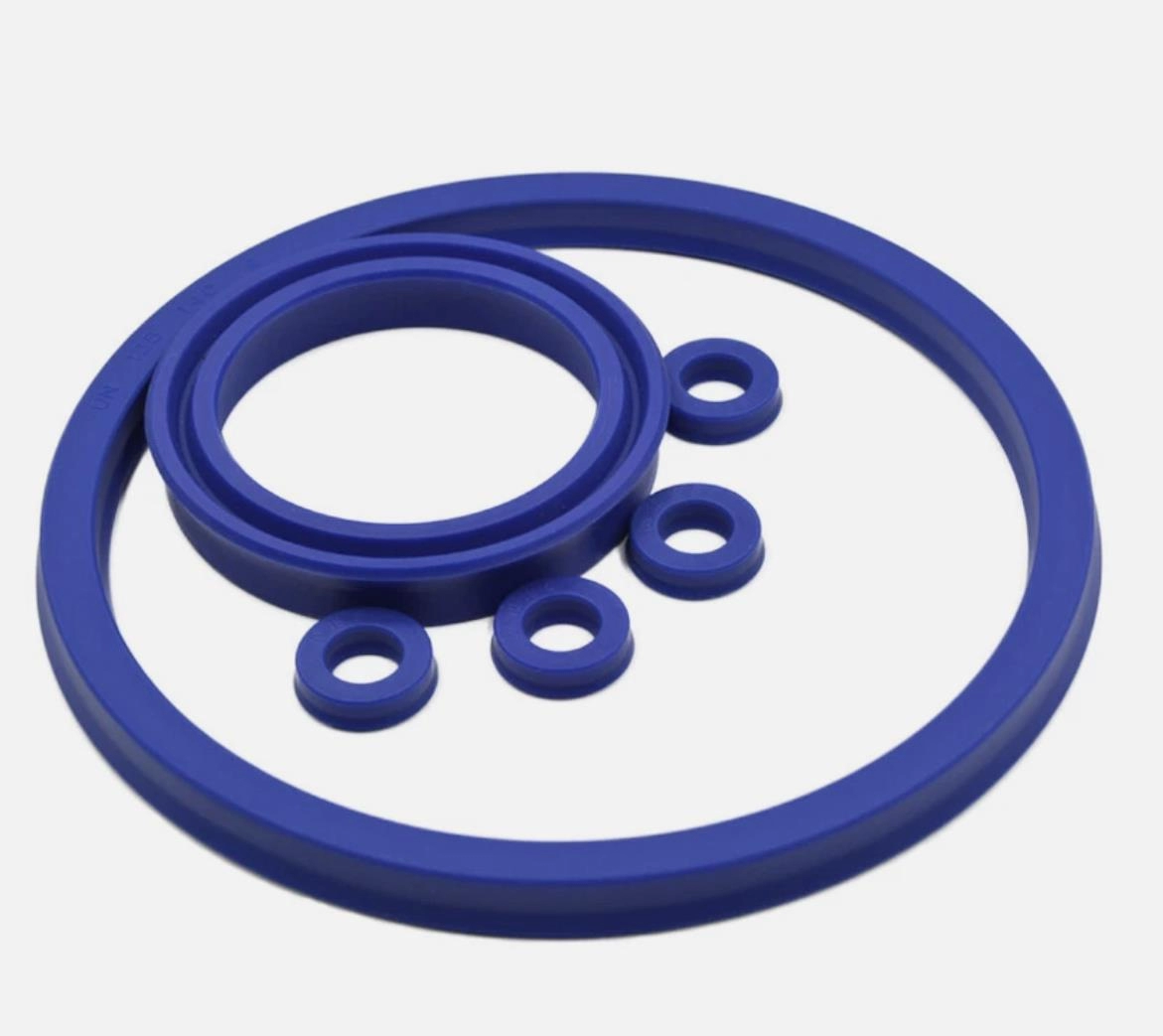
Standard rubber seals are suitable for many common applications, but they may not always match the dimensions or operating conditions of specialized equipment. A sealing component that is slightly oversized, too hard, or made from an unsuitable rubber compound can lead to installation difficulties, leakage, premature wear, or equipment downtime. Custom rubber seals address these problems by matching the product's geometry, material properties, and working requirements to the actual application.
For example, automotive connectors may require compact seals with reliable waterproof performance, while hydraulic equipment needs sealing components that can withstand pressure, friction, and repeated movement. Electronic equipment may require protection against dust and moisture, whereas industrial machinery often needs seals with better resistance to oils, temperature changes, and mechanical stress. Working with an experienced manufacturer allows buyers to consider these requirements before production rather than relying on trial-and-error product selection.
A professional rubber seal factory should offer more than one standard sealing profile. Different equipment structures require different sealing designs, and choosing the right type can directly affect sealing performance and service life.
Hao Seal Technology Co., Ltd. offers a range of rubber sealing products, including O-rings, U/V/Y rings, X-rings, customized seals, connector seals, diaphragms, hydraulic seals, gaskets, high-temperature seals, foam seals, and metal-bonded rubber seals. These product categories cover both conventional static sealing applications and more specialized sealing requirements.
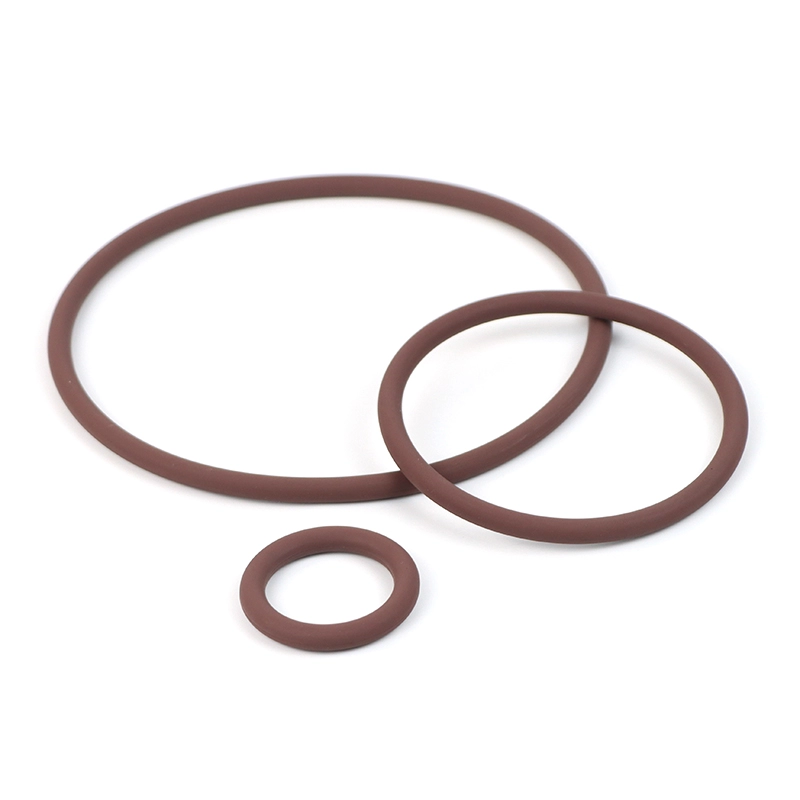
O-rings are widely used because of their simple circular cross-section, compact structure, and versatility. They can be installed in grooves to create a seal between two mating components and are commonly found in hydraulic equipment, pneumatic systems, automotive assemblies, and industrial machinery. For more information, explore the custom and industrial O-ring product range.
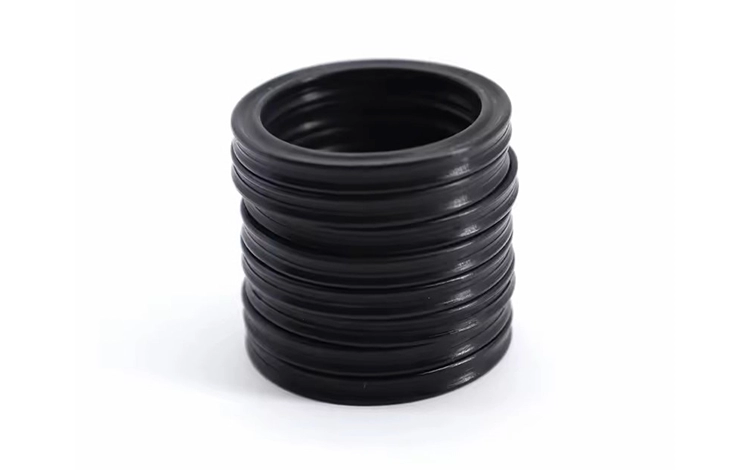
U-rings, V-rings, and Y-rings are often selected for applications involving reciprocating movement or specific sealing structures. Their profiles are designed to provide sealing contact under suitable installation and operating conditions. X-rings offer a different cross-sectional design that can provide additional sealing contact points in certain applications. The appropriate profile depends on the equipment design, movement, pressure, and installation space.
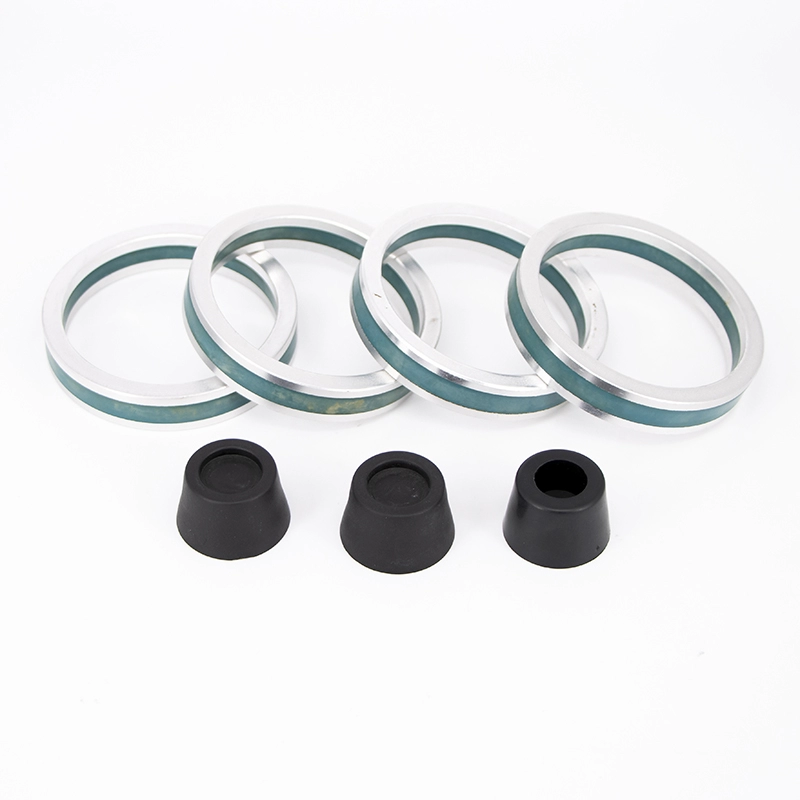
For projects that cannot use standard dimensions or profiles, customized rubber gaskets, connector seals, rubber pads, and molded components can be developed according to specific requirements. Buyers can review the customized rubber seal solutions to explore possible product options.
Material selection is one of the most important decisions in custom rubber seal manufacturing. Even when two seals have identical dimensions, different rubber compounds can perform very differently under the same working conditions. Buyers should consider the operating temperature, contact medium, pressure, compression requirements, and expected service environment before confirming a material.
Common rubber materials include NBR, EPDM, FKM, silicone, and other application-specific compounds. NBR is frequently used in applications involving mineral oils and fuels. EPDM is often considered for water, weather, and outdoor exposure. FKM is selected for applications requiring improved resistance to certain oils, fuels, chemicals, and elevated temperatures. Silicone rubber is useful in applications where flexibility across a broad temperature range is important.
However, no single material is suitable for every working environment. Chemical compatibility, temperature limits, compression set, hardness, and mechanical properties should all be evaluated together. A reliable rubber seal supplier should help customers identify suitable material options based on actual operating conditions instead of recommending a material simply because it is commonly used.
A well-prepared technical specification helps reduce communication errors and makes the manufacturing process more efficient. If you already have an engineering drawing, CAD file, or physical sample, these materials can serve as the starting point for product evaluation. Important information normally includes the seal's inner diameter, outer diameter, cross-sectional dimensions, profile, material, hardness, and dimensional tolerances.
It is also useful to provide details about the equipment, installation location, working pressure, operating temperature, and the fluids or chemicals that may come into contact with the seal. If the component is used in a moving assembly, buyers should explain whether it operates under reciprocating, rotating, or other dynamic conditions.
For OEM customers, branding, product identification, packaging requirements, and expected order quantities may also need to be discussed before production. With clear technical information, a manufacturer can evaluate the product structure, material selection, tooling requirements, and production feasibility more accurately.
For industrial buyers, a sealing component must do more than fit during initial installation. It should maintain its sealing function throughout the intended service period. This makes production consistency an important consideration when selecting a rubber seals factory.
The manufacturing process generally involves rubber compound preparation, mold design, molding, curing, trimming, inspection, and final packaging. Each stage can influence the finished product. Inaccurate mold dimensions may affect the seal's fit, while inconsistent material mixing or curing conditions can influence hardness, elasticity, and compression behavior.
For customized orders, particular attention should be paid to mold accuracy and dimensional control. Inspection should focus on critical dimensions, surface appearance, molding defects, and material properties according to the agreed technical specifications. For applications with demanding requirements, buyers can also discuss additional inspection items and sample approval procedures before mass production.
Hao Seal Technology Co., Ltd. provides a product portfolio covering standard and customized sealing components, allowing buyers to discuss different product requirements within one supplier relationship.
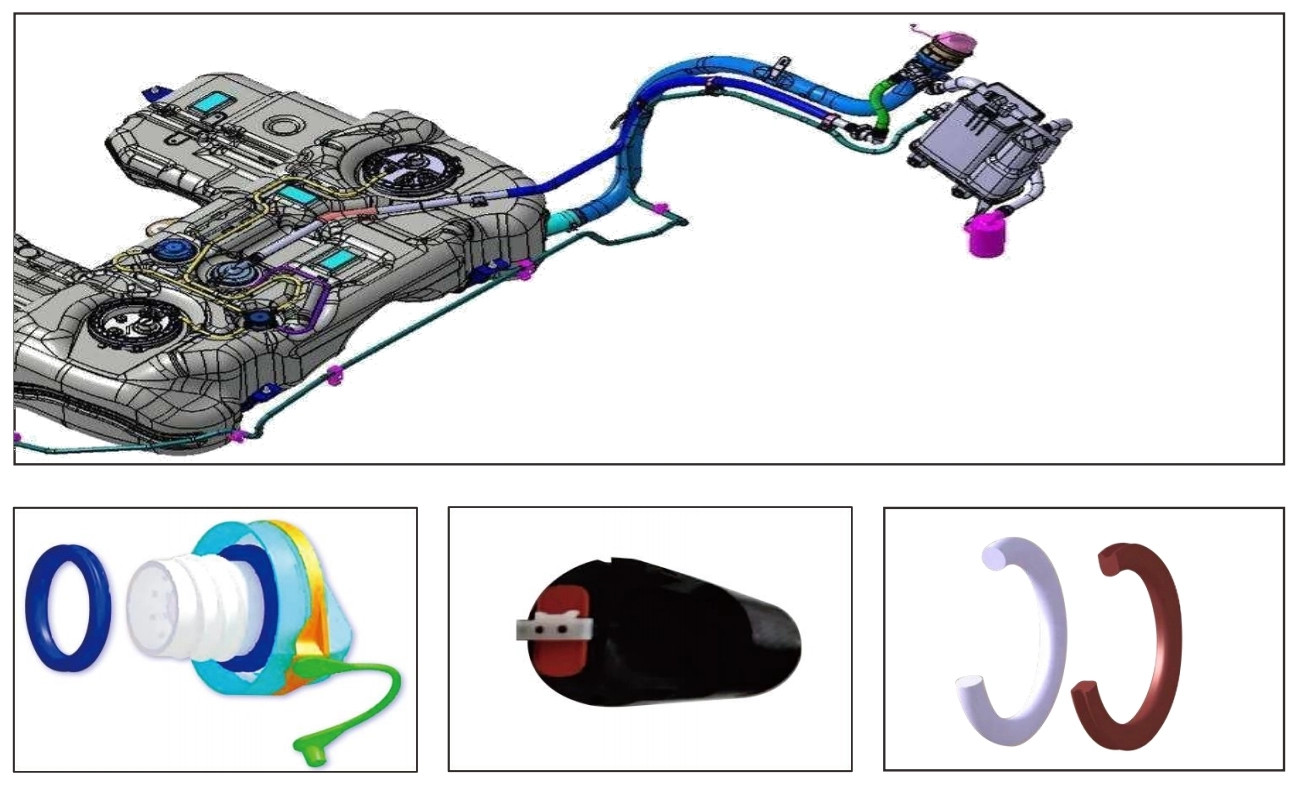
Custom rubber seals are used across a wide range of industries because different types of equipment require protection against leakage, contamination, and environmental exposure. In the automotive and new energy vehicle sectors, rubber sealing components are used in connectors, wiring harnesses, electrical assemblies, and other vehicle-related applications. These components help protect sensitive parts from water, dust, and external contaminants.
In hydraulic and pneumatic systems, seals help maintain pressure and prevent fluid or air leakage in cylinders, valves, and other equipment. Semiconductor and electronic manufacturing equipment may require precisely designed seals to support clean and controlled operating environments. Medical and sanitary equipment can also require application-specific sealing components with carefully selected materials and dimensions.
Other applications include photovoltaic equipment, liquid cooling systems, industrial machinery, and inkjet marking equipment. The requirements differ from one industry to another, which is why customized design and material selection are often more practical than using a single standard product across all applications.
When comparing rubber seal manufacturers in China, buyers should look beyond product catalogs and consider whether the supplier can understand and support their specific project requirements. Important factors include product range, material options, customization capabilities, technical communication, sample development, quality inspection, and production coordination.
A dependable supplier should be able to review drawings or samples, discuss suitable materials, clarify critical dimensions, and communicate potential manufacturing limitations before confirming an order. For wholesale buyers and distributors, consistent specifications and repeat-order coordination are particularly important because product variations can affect inventory management and downstream assembly.
It is also worth checking whether the manufacturer can support multiple sealing product categories. Working with one supplier for O-rings, hydraulic seals, gaskets, connector seals, and customized rubber components can simplify sourcing and technical communication.
Hao Seal Technology Co., Ltd. is based in Huizhou, Guangdong, China, and provides a range of industrial rubber sealing products and customized manufacturing options. For companies looking for an OEM partner, the next step is to share the application details and technical requirements so that the appropriate product structure and material can be evaluated.
Finding the right sealing component requires a balance between product design, material performance, manufacturing accuracy, and application requirements. Whether you need standard O-rings, hydraulic sealing components, automotive connector seals, rubber gaskets, or specially designed molded parts, working with a manufacturer that understands your technical requirements can make the sourcing process more straightforward.
Hao Seal Technology Co., Ltd. welcomes inquiries from equipment manufacturers, industrial buyers, distributors, and OEM partners. Visit the Hao Seal official website to learn more about its product range and manufacturing solutions. You can also share your drawings, samples, or project specifications to discuss suitable customized rubber sealing products for your application.